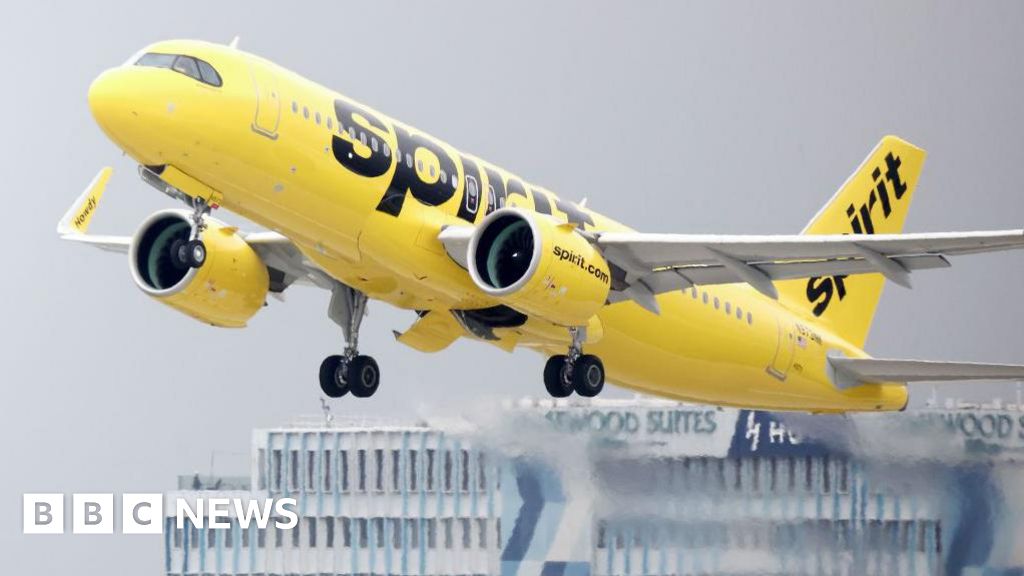
Spirit Airlines, the iconic ultra-low-cost carrier known for its bright yellow planes and no-frills approach, has ceased all operations after 34 years, marking the largest U.S. airline collapse in decades and delivering a brutal blow to investors who held onto hope for a turnaround. The budget carrier shut down with immediate effect on May 2, 2026, after failing to secure a $500 million bailout from the Trump administration, leaving approximately 17,000 employees without jobs and stranding over 50,000 passengers who were on its final flights.
For investors, the collapse of Spirit Airlines offers a masterclass in the dangers of distressed investing, the fragility of low-cost business models in high-interest-rate environments, and how external shocks — from failed mergers to geopolitical conflict — can wipe out shareholder value entirely.
How Spirit Airlines Unraveled: From Market Disruptor to Liquidation
Spirit Airlines was once the fastest-growing airline in America, pioneering the ultra-low-cost carrier (ULCC) model that charged rock-bottom base fares while generating revenue through fees for bags, seat assignments, and even carry-on luggage. At its peak, the airline commanded a market capitalization of over $4 billion and was disrupting legacy carriers across the country.
But the cracks began to show during the COVID-19 pandemic, when travel demand evaporated and Spirit's debt load ballooned. The airline emerged from the pandemic battered but still flying, only to face a new set of existential threats.
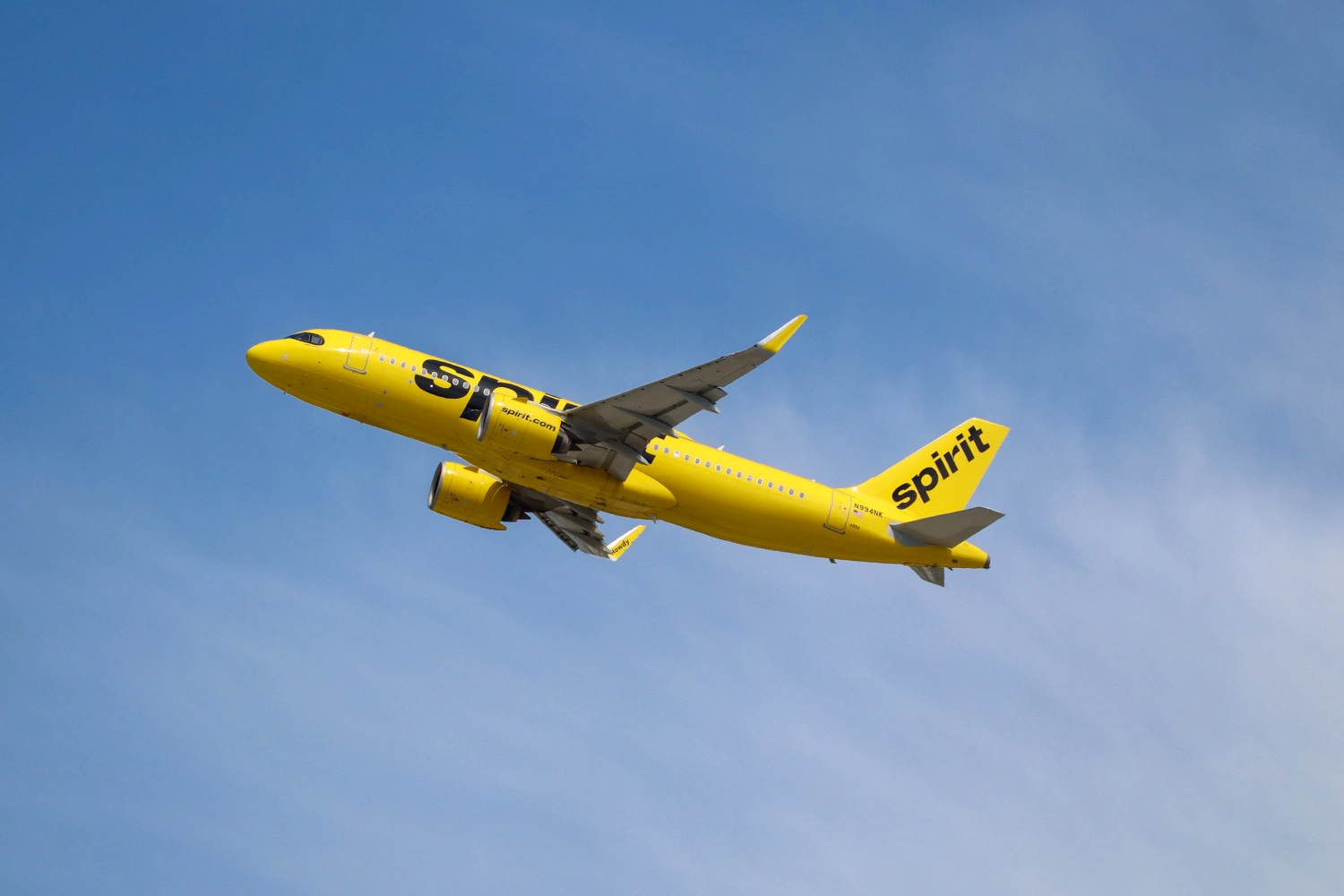
The first major blow came when a federal judge blocked Spirit's proposed $3.8 billion merger with JetBlue Airways in early 2024, citing antitrust concerns. The merger was supposed to be Spirit's lifeline — a way to compete more effectively with larger carriers. When it fell through, Spirit was left to navigate an increasingly hostile operating environment alone.
By November 2024, Spirit's stock (SAVE) was halted and pending delisting, with analysts warning that shareholders would likely see zero recovery. The airline filed for Chapter 11 bankruptcy protection for the first time in late 2024 and emerged in March 2025, significantly deleveraged after converting $795 million in debt to equity and receiving a $350 million equity investment from existing investors. Spirit Airlines' leadership touted the restructuring as a fresh start, claiming the company was "better positioned to advance its transformation."
But the optimism was short-lived.
Timeline: The 12-Month Death Spiral of Spirit Airlines
Late 2024: Spirit Airlines files for Chapter 11 bankruptcy for the first time. Stock (SAVE) is halted and delisted. Shareholders brace for total loss.
March 12, 2025: Spirit emerges from Chapter 11 restructuring. The company converts $795 million in debt to equity and secures a $350 million equity investment. Executives declare the airline is "better positioned to advance its transformation."
March - June 2025: The "restructured" airline loses $257 million in just 3.5 months. The recovery plan is already failing.
August 29, 2025: Spirit files for Chapter 11 bankruptcy for the second time in less than a year. The company reports $8.1 billion in debts against $8.6 billion in assets. Stock plunges 45% on the news.
Late 2025: Spirit slashes flight schedules by 25% and lays off thousands of employees in an attempt to conserve cash. The airline is now operating in survival mode.
Early 2026: Geopolitical tensions escalate as the U.S. and Israel engage in war with Iran. Jet fuel prices skyrocket from around $2.24 per gallon (Spirit's restructuring assumption) to over $4.51 per gallon — a price spike that Spirit's entire recovery plan could not withstand.
April 2026: Spirit faces imminent liquidation risk as fuel costs surge. Talks begin with the Trump administration for a potential $500 million bailout loan that would give the government up to a 90% stake in the airline.
May 2, 2026: Rescue talks collapse. Spirit cancels all flights and announces an immediate shutdown of operations. Over 50,000 passengers are on final flights that day. 17,000 employees are laid off with immediate effect.
May 5, 2026: At a last-minute bankruptcy hearing in White Plains, New York, Spirit's attorney Marshall Huebner apologizes to the American public: "Thank you, and sorry to the American public." He warns that Americans will now pay "a billion, or two or three, dollars a year more for plane tickets."
Why Spirit Failed: The Perfect Storm That Destroyed Shareholder Value
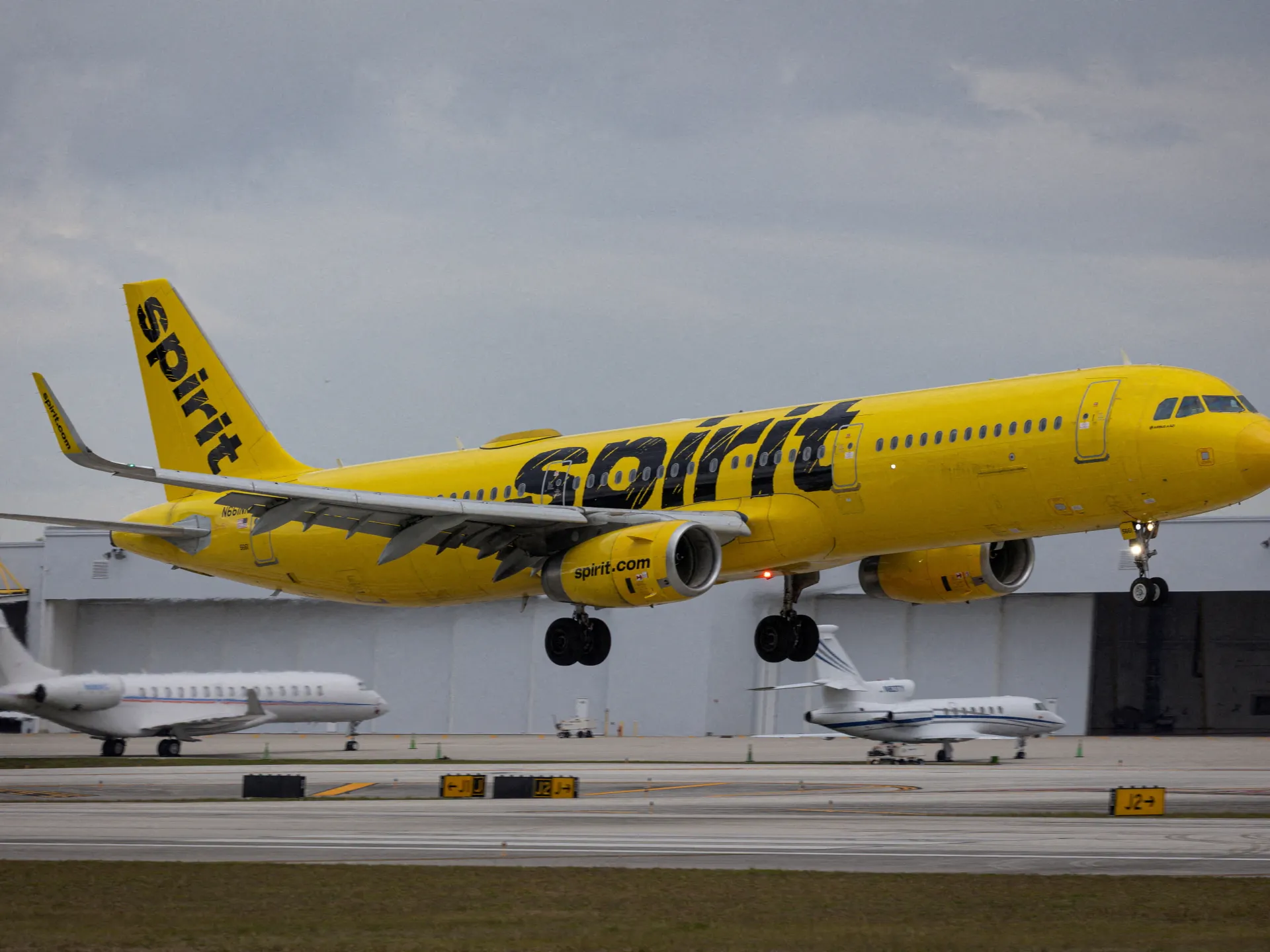
The collapse of Spirit Airlines cannot be attributed to any single factor. Instead, it was the result of multiple forces converging in a way that made survival impossible.
The Failed JetBlue Merger: The blocked merger was arguably the single most consequential event in Spirit's downfall. Without the scale and route network that JetBlue would have provided, Spirit was left as a standalone ultra-low-cost carrier in an industry where scale determines survival. The Department of Justice's successful antitrust challenge essentially sealed Spirit's fate.
The Fuel Price Catastrophe: Spirit's restructuring plan was built on the assumption that jet fuel would average $2.24 per gallon in 2026 and $2.14 in 2027. But the U.S.-Israel conflict with Iran pushed fuel prices to $4.51 per gallon by May 2026 — more than double the restructuring assumption. As Marshall Huebner told the bankruptcy court, this "megaspike" added hundreds of millions of dollars in unexpected costs and "engulfed" the airline, draining its liquidity and derailing the entire restructuring plan.
The $2.8 Billion Loss in 2025: According to aviation consultancy IBA Group, Spirit generated a staggering $2.8 billion net loss in 2025, with an EBIT margin of -23.6% and negative operating cash flow of $930 million. Those numbers made any recovery nearly impossible without a dramatic improvement in operating conditions — which never came.
The Failed Bailout: Spirit was in advanced negotiations with the Trump administration for a $500 million loan that could have given the government up to a 90% stake in the company. But the deal fell apart when Spirit's bondholders balked at being placed behind the government in the repayment hierarchy. Without that lifeline, the airline had no path forward.
The Flawed Business Model: As Forbes analyst Dan Gingiss noted, "Spirit Airlines chose to be a commodity, and that choice killed it." The ultra-low-cost model that worked when fuel was cheap and demand was strong proved brittle when external conditions turned hostile. United Airlines, by contrast, invested in premium experiences and reported premium revenue up 11% in 2025. Spirit had no such cushion.
Where Things Stand Now: The Liquidation Process
Spirit's fleet is being dismantled piece by piece. The airline has filed motions in bankruptcy court to reject remaining aircraft leases and sell or abandon owned assets. The company that once operated hundreds of brightly colored Airbus A320-family aircraft is now a liquidation case being managed by Epiq Corporate Restructuring.
For the 17,000 former employees, the situation is dire. NBC News obtained a letter Spirit sent to approximately 4,000 employees in Florida on the day of shutdown, stating: "This layoff will be permanent, and the Company's operations at the locations will permanently cease." The letter also noted that the company could not provide advance notice because it was "actively seeking capital to avoid these layoffs."
For passengers, Spirit's attorney warned that the reduced competition will cost American consumers $1-3 billion per year in higher ticket prices. The airline carried over 50,000 passengers on its final day alone and transported all crew members to their home bases by Sunday night, May 4.
Shares of Spirit Aviation Holdings now trade over the counter under the ticker FLYYQ — a fitting symbol for an airline that flew its last flight. Shareholders are expected to receive zero recovery in the liquidation.
What Happens Next: The Road Ahead for Airline Investors
The Spirit Airlines collapse sends shockwaves through the airline industry and offers several critical lessons for investors. First, the ultra-low-cost carrier model is facing existential pressure as fuel costs remain elevated and interest rates stay high. Other budget carriers like Frontier and Allegiant are now under increased scrutiny from analysts who question whether the ULCC model is viable in the current environment.
Second, the collapse may lead to consolidation in the industry, with larger carriers like Delta, United, and American picking up Spirit's airport slots and routes. This could further reduce competition and lead to higher fares — which may benefit airline stocks in the short term but raises longer-term antitrust questions.
Third, the Spirit bankruptcy is a cautionary tale about investing in distressed companies. Even with a $350 million equity infusion, debt restructuring, and a formal emergence from Chapter 11, Spirit couldn't survive. Investors who bought shares after the first restructuring believing the worst was over lost everything when the second filing came just months later.
Key Takeaways for Investors
- Distressed investing carries extreme risk: Even well-capitalized restructurings can fail if external conditions change. Spirit had $350 million in fresh equity and a debt-to-equity conversion, yet still collapsed.
- Macro factors can overwhelm micro fixes: No amount of internal restructuring could offset a fuel price spike that doubled the company's most critical cost input.
- Merger risk cuts both ways: The blocked JetBlue merger was a thesis-breaker for Spirit. Regulatory risk is a hidden but potent threat in concentrated industries.
- Commodity businesses are vulnerable: When your only competitive advantage is price, any competitor or external shock can undercut you. Differentiation matters.
- Zero recovery is the norm in airline bankruptcies: Equity holders are almost always wiped out in airline Chapter 7 liquidations. History shows this pattern repeating across Pan Am, TWA, and now Spirit.
The bright yellow planes of Spirit Airlines will no longer dot American skies. For investors, the lesson is painted in vivid color: when a business model depends on everything going right, one wrong turn can be fatal.