Elizabeth Holmes is back in the headlines for a reason almost no one predicted: a secret documentary. You Can See Everything, directed by comedian Nathan Fielder and filmmaker Lance Oppenheim, premiered as a surprise screening at the 53rd Telluride Film Festival on September 6, 2026 — and it has dragged one of the most expensive fraud cases in Silicon Valley history back into the spotlight. For investors, the film is far more than entertainment. Theranos raised roughly $945 million and reached a $9 billion valuation on blood-testing technology that never worked, and Holmes is now serving an 11-year federal sentence for defrauding investors. The saga remains one of the clearest cautionary tales in modern finance about what happens when hype outruns due diligence.
The documentary's very premise is remarkable. Holmes reportedly invited a film crew into her life in the weeks before she reported to prison, and the directors kept following her over the course of roughly three years. That level of access has made the project an instant cultural event — and a fresh invitation for everyday investors to re-examine how so many smart people poured so much money into a company built on a lie.
A Secret Theranos Documentary Stuns Telluride
You Can See Everything arrived without warning. A24, the independent studio behind Moonlight and Everything Everywhere All at Once, kept the project under wraps until it screened as the secret title at this year's Telluride Film Festival. The studio confirmed the same day that the film would open in theaters in October 2026, alongside a teaser trailer.
The logline is simple but unsettling: Elizabeth Holmes, the founder of the defunct health-technology company Theranos, lets Fielder and Oppenheim document her life as she prepares to serve time for defrauding investors. According to the film's official billing, Holmes invites the filmmakers in for the days before she goes to prison, and they continue following her over the following three years. The runtime — a sprawling 174 minutes — signals how much footage the directors captured.
Fielder, the deadpan provocateur behind Nathan for You and HBO's The Rehearsal, appears on camera as an interviewer, a role early reviewers say blurs the line between comedy and uncomfortable reality. "I really am struggling to this day to understand exactly what I experienced," Fielder told Vanity Fair after living with Holmes and her family in the days leading up to her imprisonment. First reactions out of Telluride described the film as shocking, meta, and unlike any documentary audiences have seen.
From a $9 Billion Valuation to a Prison Sentence
To understand why the documentary matters to investors, it helps to retrace how Theranos rose and fell:
- 2003: Holmes drops out of Stanford at 19 and founds Theranos, promising to run hundreds of blood tests from a single drop of blood.
- 2014: The company reaches a $9 billion private valuation, briefly making Holmes the world's youngest self-made female billionaire on paper.
- 2015: The Wall Street Journal's John Carreyrou publishes his first exposé revealing the technology does not work, and the company begins to unravel.
- 2018: Theranos dissolves, and Holmes is indicted on federal fraud charges alongside former COO Ramesh "Sunny" Balwani.
- January 2022: Holmes is convicted on three counts of wire fraud and one count of conspiracy to commit wire fraud against investors.
- November 2022: She is sentenced to 11 years and three months in prison and ordered to pay $452 million in restitution jointly with Balwani.
- May 2023: Holmes begins her sentence at Federal Prison Camp Bryan, a minimum-security facility in Texas.
- December 2025: A federal appeals court upholds her conviction and the restitution order.
The Investor Toll: Nearly $1 Billion Lost
The numbers behind Theranos explain why the case is still studied in business schools and investment circles. The company raised roughly $945 million from investors who believed its devices would upend the $70 billion blood-testing industry. When the fraud unraveled, much of that capital evaporated.
Court documents and reporting have detailed exactly who lost money. Media mogul Rupert Murdoch put in about $125 million. The Walton family — heirs to the Walmart fortune — invested around $150 million. The DeVos family, including former Education Secretary Betsy DeVos, contributed roughly $100 million, as did Cox Enterprises. None of it came back.
Investors are still pursuing recovery. Holmes and Balwani were ordered to pay $452 million in restitution to victims, and a federal appeals court affirmed that order in late 2025. InvestmentNews called the ruling a "critical turning point" in Silicon Valley's biggest investor fraud case as victims inch toward recovering losses.
The deeper lesson, financial advisers say, is about process rather than personality. Theranos succeeded at raising money in part because it bypassed the scrutiny that public markets impose. It recruited a celebrity board — Henry Kissinger, George Shultz, William Perry, and others — with almost no medical expertise. It refused to publish peer-reviewed data or share audited financials. And it traded on a founder's charisma rather than verifiable results.
For individual investors, the takeaway is familiar but easy to forget: a high-profile backer is not the same as a working product. Private companies can avoid the disclosure rules that protect shareholders in public markets, which makes independent verification — real customers, real revenues, real audited numbers — essential before committing capital.
Where Elizabeth Holmes Stands Now
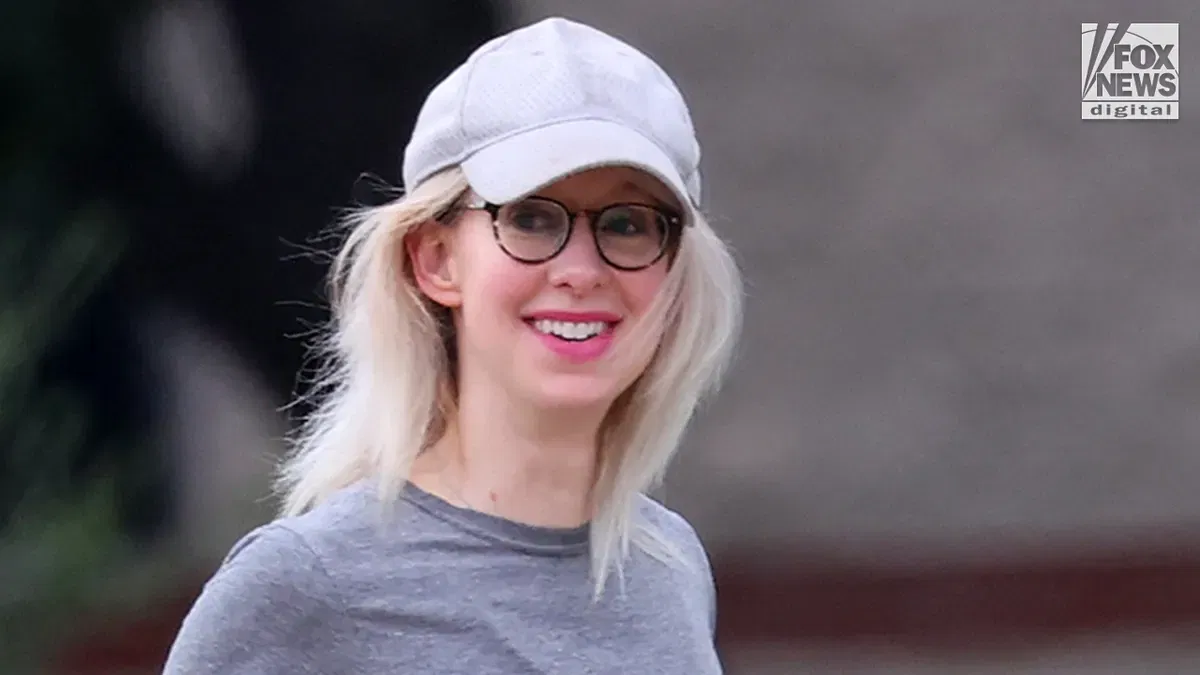
Holmes, 41, remains at Federal Prison Camp Bryan in Texas, serving an 11-year sentence. In August 2025, she was photographed jogging on the prison's track wearing a gray shirt, shorts, compression gloves, and a hat — a rare public glimpse of the once-celebrated founder.
Her legal options have narrowed. In December 2025, the Ninth Circuit Court of Appeals upheld her fraud convictions and the $452 million restitution order, rejecting her arguments for a new trial. Then, in January 2026, Holmes asked President Donald Trump to commute her sentence — a request that has not been granted. Her projected release date, with good-behavior credits, has been reported around 2030 to 2032.
What Happens Next for Holmes and Her Investors
The documentary's October theatrical release will likely keep the Theranos story in the public conversation — and may complicate any bid for clemency. A24 has begun rolling out a marketing campaign built around the film's close access, which means renewed scrutiny of Holmes's conduct and her investors' losses.
For victims, the practical question is recovery. The $452 million restitution order is in place, but collecting from Holmes and Balwani is a separate challenge, and prosecutors and victims continue to sort out what can be paid. Investors who lost money in private placements generally have limited recourse unless they can prove they were misled — which is precisely why the fraud charges were brought in the first place.
For everyone else, the film is a reminder that the next "can't-miss" private deal deserves the same skepticism as the last one. As the Theranos saga shows, a compelling founder, a famous board, and a rising valuation can all be real — and the technology can still be fiction.
The Bottom Line for Investors
- Elizabeth Holmes's Theranos raised roughly $945 million and hit a $9 billion valuation before collapsing in fraud.
- Holmes was convicted of defrauding investors and sentenced to 11 years and three months, with $452 million in restitution.
- Nathan Fielder and Lance Oppenheim's secret documentary You Can See Everything premiered at Telluride in September 2026 and hits theaters in October.
- The case is a masterclass in why independent due diligence — real products, real customers, real financials — matters more than pedigree or hype.