Dow Jones futures have become the epicenter of market volatility in early 2025, swinging dramatically in response to President Donald Trump's tariff announcements, tech earnings surprises, and mixed economic data. As investors grapple with uncertainty, the blue-chip index futures have reflected both panic and optimism, creating a complex landscape for traders and long-term investors alike. The convergence of political trade policy, corporate earnings, and technical market signals has transformed Dow Jones futures into a barometer of broader economic sentiment.
How the Tariff Turmoil Unfolded: Inside the Dow's Volatile Spring
The story of Dow Jones futures in 2025 cannot be told without examining the seismic impact of trade policy. In early April, U.S. stock index futures flipped lower in after-hours trading as President Trump outlined sweeping import tariffs on products coming into the United States from worldwide sources. According to Seeking Alpha reports, the minimum baseline tariff was set at 10%, with the highest rates reaching 49% for certain categories. This announcement triggered immediate selling pressure in futures markets, as traders priced in the potential economic consequences of escalated trade tensions.
Market reactions were swift and severe. The tariff news came against a backdrop of already fragile sentiment, with investors having endured months of trade-related uncertainty. What made this round particularly impactful was its global scope—unlike previous targeted measures, these tariffs represented a broad-based approach that threatened to disrupt supply chains across multiple industries represented in the Dow Jones Industrial Average. Heavyweight components like Boeing, Caterpillar, and Apple faced immediate scrutiny as analysts assessed their exposure to international trade flows.
Timeline: How the 2025 Market Volatility Developed Over Two Critical Months
The spring of 2025 unfolded as a rollercoaster for Dow Jones futures, with distinct phases of optimism and panic. In mid-March, futures found temporary stability as retail sales data came in stronger than expected. Seeking Alpha reported that Wall Street's major averages were slightly higher on Monday, March 17, as investors assessed the retail sales report, with the Dow showing a modest 0.2% gain. This represented a brief respite from the broader downward pressure that had characterized early 2025 trading.
The calm proved short-lived. By early April, tariff announcements sent futures tumbling, with after-hours trading showing consistent downward pressure. The volatility peaked in mid-April when, according to Wikipedia's documentation of the 2025 market events, the Trump administration announced it would pause tariff increases on April 9, leading to a dramatic stock market rally. This pattern—sharp declines followed by relief rallies—became characteristic of the period, creating both danger and opportunity for futures traders.
Why This Volatility Matters: Expert Analysis and Market Implications
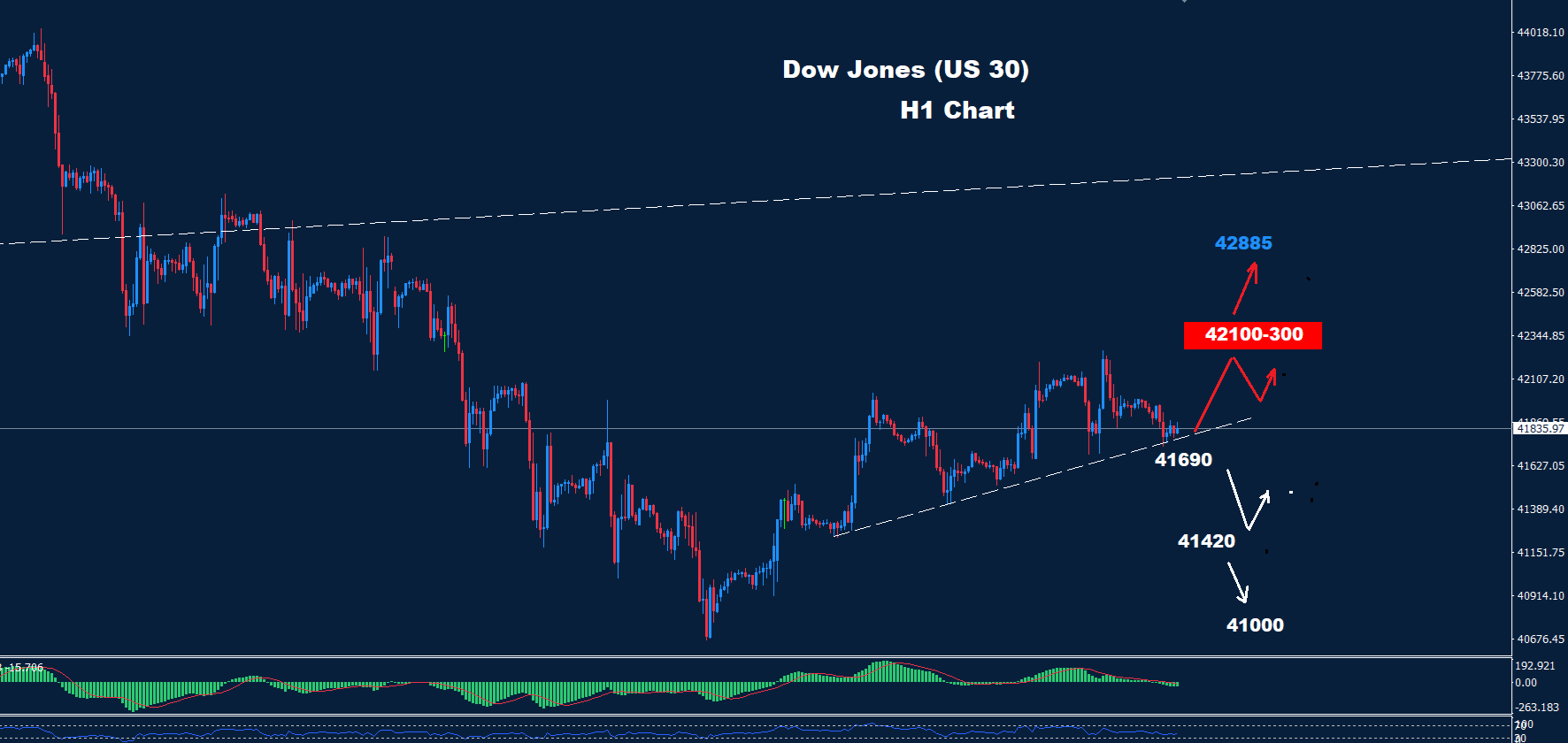
The current environment represents more than just short-term price swings—it signals a fundamental shift in how markets process political risk. Technical analysts at Orbex have been closely monitoring key levels for Dow Jones futures, identifying critical support and resistance zones that could determine the market's next major move. Their analysis for March 21, 2025, emphasized that these technical levels were becoming increasingly significant as fundamental uncertainty drove more traders to rely on price-based signals.
Several key factors are driving the expert consensus about continued volatility. First, the linkage between trade policy and corporate earnings has become more direct than in previous administrations. Companies in the Dow with significant international exposure face not just tariff costs but also currency fluctuations and supply chain disruptions. Second, the Federal Reserve's response function has become more complicated—traditional tools may be less effective when the primary economic shock originates from trade policy rather than domestic economic conditions. Third, the technical damage to chart patterns requires time to repair, suggesting that even with positive news, the recovery process may be gradual rather than abrupt.
Tech Earnings Provide a Bright Spot: Microsoft and Meta Boost Futures
Amid the tariff-driven gloom, technology earnings provided a counter-narrative that temporarily lifted market sentiment. In late April, U.S. stock index futures jumped after the closing bell as strong results from Microsoft and Meta Platforms buoyed investor confidence. Seeking Alpha reported that benchmark S&P 500 futures were last up 0.68%, with Dow futures also showing strength following the tech earnings announcements. This episode demonstrated that even in challenging macro environments, company-specific fundamentals could still drive meaningful price movements.

The tech sector's relative strength highlights an important divergence within the market. While industrial and materials companies in the Dow face direct tariff headwinds, technology firms—particularly those with software-based revenue models—enjoy more insulation from trade policy impacts. This divergence creates opportunities for selective positioning within futures markets, as traders can express views on specific sectors through index futures or through relative value strategies that capitalize on inter-sector performance differences.
Where Things Stand Now: Latest Developments in the Dow Futures Story
As of the most recent data, Dow Jones futures continue to reflect a market in search of direction. The tariff pause announced in early April provided temporary relief, but fundamental questions about long-term trade policy remain unanswered. Technical analysis from Orbex and other firms suggests that futures are testing key levels that could determine whether the recent recovery has staying power or represents merely a temporary bounce within a broader downward trend.
The current environment presents a classic conflict between technical and fundamental factors. From a technical perspective, the damage to chart patterns suggests caution is warranted. From a fundamental standpoint, corporate earnings—outside of trade-sensitive sectors—have generally held up better than expected. This tension is likely to persist until either trade policy clarity emerges or technical patterns resolve with decisive breakouts or breakdowns. For now, the market appears to be in a waiting game, with futures pricing reflecting uncertainty rather than conviction.
What Happens Next: The Road Ahead for Dow Jones Futures
The path forward for Dow Jones futures will likely be determined by three key variables: trade policy developments, economic data trends, and technical market structure. On the policy front, investors will be watching for either escalation or de-escalation of trade tensions, with particular attention to whether tariff implementation matches rhetoric. Economic data will need to confirm that consumer strength—as seen in the March retail sales report—can offset any business investment weakness resulting from trade uncertainty.
From a trading perspective, several scenarios appear plausible. In an optimistic case, tariff implementation proves less severe than feared, economic data remains resilient, and technical patterns complete bullish reversals. In a pessimistic scenario, trade tensions escalate further, economic indicators deteriorate, and technical support levels fail. The most likely outcome may be continued volatility within a range, with futures reacting sharply to individual data points and policy announcements but lacking sustained directional momentum.
The Bottom Line: Key Points for Investors to Remember
First, Dow Jones futures have become hyper-sensitive to trade policy developments, with tariff announcements creating immediate and sometimes exaggerated market reactions. Second, not all market segments are equally affected—technology has shown relative strength while industrials face greater headwinds. Third, technical analysis has gained importance as fundamental uncertainty makes traditional valuation metrics less reliable. Fourth, volatility itself creates opportunities for disciplined traders who can maintain emotional equilibrium amid market swings. Finally, successful navigation of this environment requires flexibility—the ability to adjust positions as new information emerges rather than clinging to predetermined views.
For long-term investors, the current volatility may represent a stress test for portfolio construction. Those with properly diversified holdings and appropriate risk management may find opportunities to add quality positions at discounted prices. For active traders, the environment offers both danger and opportunity—the key will be distinguishing between noise and signal in a market where both are currently abundant.