
Managing your finances can feel overwhelming, especially when trying to grow your savings or plan for retirement. Thankfully, wealth management tools can help simplify and optimize your financial journey. In this guide, you'll learn what a wealth management tool is, how to find the right one, and ways it can help you build smarter finances.
What Is a Wealth Management Tool?
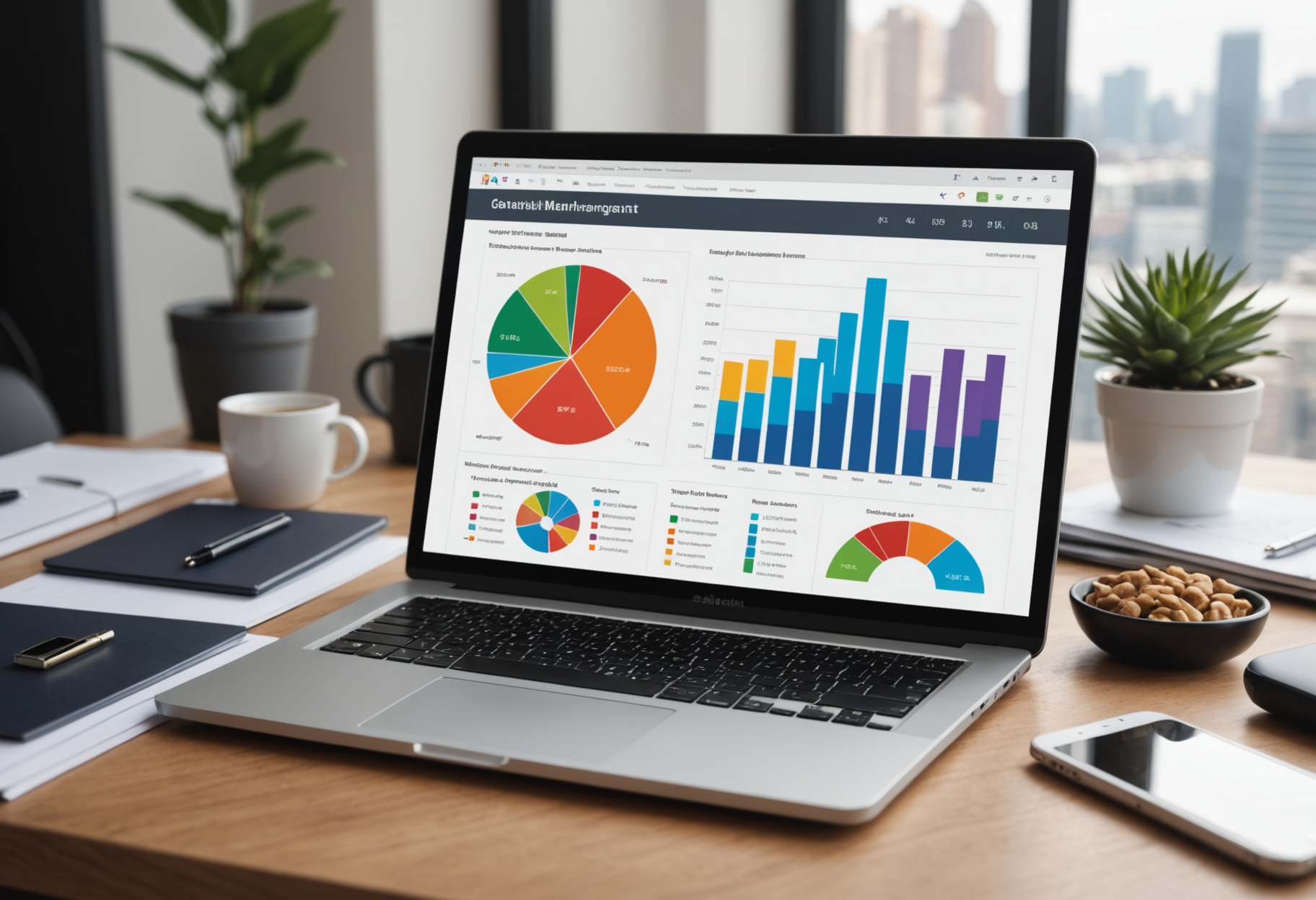
A wealth management tool is a digital platform or software designed to help you organize, analyze, and optimize your financial life. These tools can track everything from savings and investments to debts and spending habits. Unlike traditional budgeting apps, wealth management tools often offer more comprehensive features such as portfolio tracking, retirement planning calculators, and even tax-efficiency insights.
According to a report from the PwC, the demand for digital financial tools has grown significantly in recent years, particularly among younger generations striving for more financial autonomy. By consolidating key financial data in one place, these tools make it easier to understand your net worth, set realistic goals, and stay on track.
Benefits of Using a Wealth Management Tool

Beyond convenience, wealth management tools can empower you to make better decisions through clearer insights. Whether you're planning for a big purchase or working toward retirement, these tools provide a personalized financial overview that evolves with your goals.
Here are some key advantages to using a wealth management platform:
- Centralized view of all your financial accounts
- Automated tracking of spending, savings, and investments
- Goal-setting features tailored to milestones like a home or retirement
- Real-time investment analysis to identify opportunities and risks
- Data security measures to protect your sensitive information
Additionally, some tools come equipped with AI-powered suggestions or integrate with financial advisors to further improve your financial strategy. As reported by Forbes, more consumers are choosing digital tools that combine simplicity with automation for everyday financial success.
How to Choose the Right Tool for You

With many options on the market, finding the best wealth management tool in 2025 depends on your specific financial needs and goals. Some platforms cater to long-term investing, while others excel at everyday budgeting.
When evaluating options, compare:
- Pricing tiers and features available in free vs. premium versions
- Security and data encryption policies
- User interface and ease of navigation
- Integration with banks, brokerages, and other apps
- Customer support and reliability
Tools like Personal Capital (now Empower) and Mint are well-known for their robust yet user-friendly dashboards. For more hands-on guidance, platforms may also offer human financial advisors. According to research from the Consumer Financial Protection Bureau, the top finance tools often combine transparency with ease-of-use to ensure ongoing engagement and growth.
Getting Started in a Few Easy Steps

Starting is often the hardest part—but once you're set up, wealth management tools can save you time and money. Here's a typical onboarding process:
- Sign up for a tool that fits your needs (free or paid)
- Link your financial accounts securely
- Set financial goals—short and long term
- Review your dashboard for insights and suggestions
- Adjust spending or investment habits based on recommendations
Most platforms come with helpful tutorials and FAQs to guide you through this process. Within the first few days, you’ll likely discover areas where your money could be working harder for you—and that's an exciting first step. Continued use usually leads to increased confidence and smarter habits over time.
Whether you're just starting your financial journey or looking to optimize existing investments, using a secure wealth management tool today can help bring clarity to your goals. These digital platforms make personal finance more accessible and less intimidating. If you're curious about how a tool might enhance your planning, exploring your options further can help you make an informed, confident decision. Consider starting small and building steady habits over time—you may be surprised at the financial progress you can make.