
As the healthcare industry continues to evolve, more nurses are turning to online education to pursue advanced roles. Earning a master's in nursing online offers flexibility, career growth potential, and a modern approach to balancing education with professional responsibilities. In this guide, we’ll explore the key benefits, program structures, and the reasons why remote nursing education may be the right path for you.
Flexible Learning for Busy Professionals
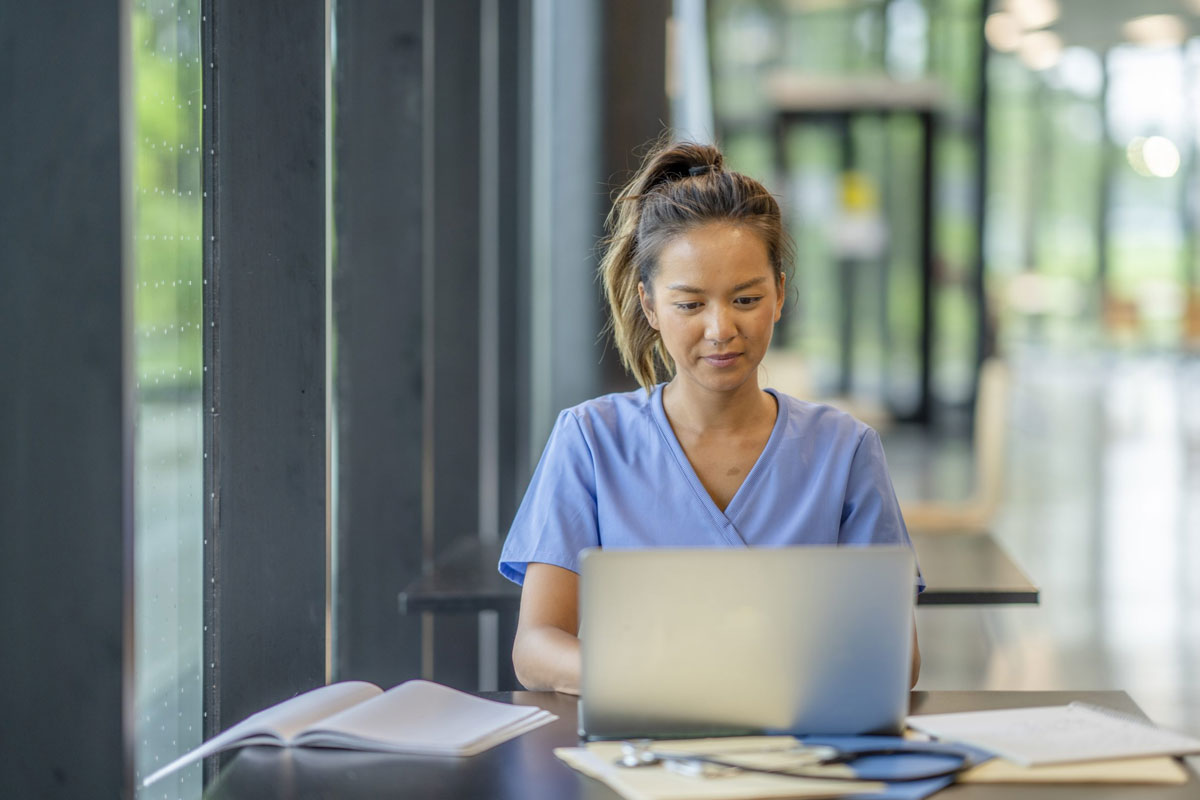
One of the standout advantages of earning a masters in nursing online is the flexibility it offers. Online programs are designed with working professionals in mind, allowing nurses to study on their schedule without disrupting clinical responsibilities or personal commitments.
This flexibility can be particularly helpful for nurses who work rotating or night shifts. Online platforms typically provide 24/7 access to lectures, readings, and assignments—so you can learn at your own pace without sacrificing quality.
According to a report by the American Sentinel College of Nursing, online nursing education continues to grow in popularity due to its accessibility and scalability, especially during times of increased demand for qualified nurse leaders.
What You Can Expect from Online MSN Programs

Many people ask, how do online MSN programs work? While formats can vary by institution, most programs offer a blend of asynchronous coursework and live virtual sessions. Students participate in discussion boards, complete interactive assignments, and attend video lectures.
In addition, some programs require clinical practicums or in-person residencies, which are typically arranged in your local area—a convenient feature that still meets national licensure standards. Accreditation is another key feature to look for, with many top programs recognized by organizations like the Commission on Collegiate Nursing Education (CCNE).
Career Benefits of a Graduate Nursing Degree
Obtaining a master's in nursing online can help open doors to new roles in clinical leadership, education, administration, and specialized patient care. With a higher level of education, you may qualify for advanced practice roles like Nurse Practitioner (NP), Clinical Nurse Leader (CNL), or Nurse Educator.
According to the U.S. Bureau of Labor Statistics, nurse practitioners earn a median salary of over $120,000 and the field is projected to grow 45% from 2022 to 2032, much faster than average.
Some of the key career benefits of earning your graduate degree remotely include:
- Eligibility for higher-paying roles and leadership positions
- Specialization in areas like informatics, pediatrics, or geriatrics
- Improved job stability and advancement potential
- Increased influence on patient care outcomes and policy
Requirements and Support for Online Nursing Students
Enrolling in an online MSN program typically involves meeting several key academic and professional requirements. These often include an active RN license, a bachelor’s degree in nursing, letters of recommendation, and relevant work experience.
Many online institutions also offer robust support systems for remote learners. For example, schools like Johns Hopkins University provide virtual tutoring, career counseling, and clinical placement assistance to make sure students get the most out of their degrees.
This level of support can make the transition from in-person to online learning smoother, ensuring you stay engaged and motivated throughout your academic journey.
Pursuing a masters in nursing online can provide you with the advanced skills and flexible learning environment needed to elevate your career in healthcare. Whether you're aiming for leadership, specialization, or simply greater job satisfaction, remote nursing education offers convenient, supported options tailored to your goals. If you're curious about your options for online graduate nursing degrees, learning more can help you make an informed decision.