
Prostate cancer is one of the most common and potentially deadly cancers among men, often progressing silently before symptoms appear. Without early screening, many individuals don’t recognize the warning signs until the disease has advanced. In this guide, we’ll explore key symptoms, why early detection is essential, and how modern treatments like Orgovyx and Nubeqa may help.
Understanding the First Clues of Prostate Cancer
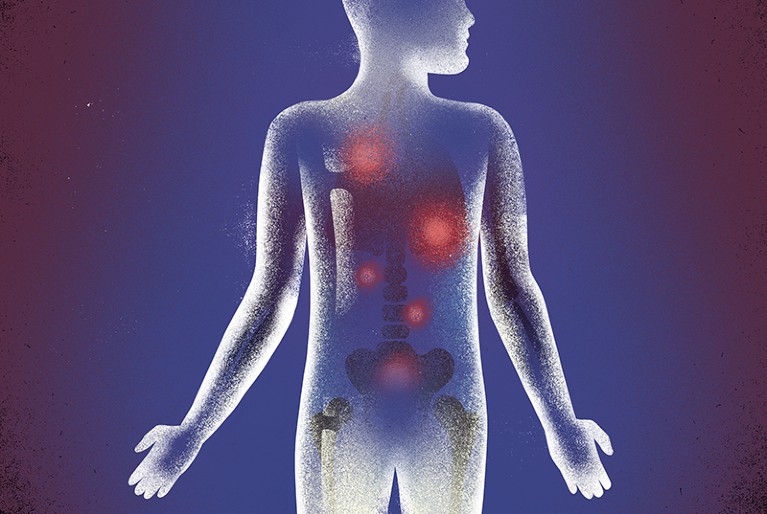
Prostate cancer typically grows slowly, which can make the early signs difficult to detect. During the initial stages, symptoms may be mild or mistaken for benign conditions like enlarged prostate (BPH). Being alert to the first symptoms of prostate cancer can lead to early testing and potentially life-saving treatment.
Common early indicators include:
- Increased frequency of urination, especially at night
- Difficulty starting or stopping urination
- Weak or interrupted urine flow
- Blood in the urine or semen
- Discomfort in the pelvic area
Recognizing what are the first hints of prostate cancer can empower you to take proactive steps. While these symptoms may also relate to less serious conditions, it's essential to consult a healthcare provider for evaluation.
Why Early Detection of Prostate Cancer Matters

Early detection not only increases the chances of effective treatment but can also mean less aggressive therapeutic approaches. According to the Centers for Disease Control and Prevention (CDC), prostate cancer, when caught early, often has a high survival rate.
More advanced stages of the disease may present with severe symptoms such as bone pain or lower body weakness — signs that the cancer has spread beyond the prostate. For these cases, treatment becomes more complex, underscoring the value of routine screening and discussions with your doctor.
Men over the age of 50, or those with a family history, should especially be aware of the early signs of advanced prostate cancer.
Exploring Treatment Options Like Orgovyx and Nubeqa
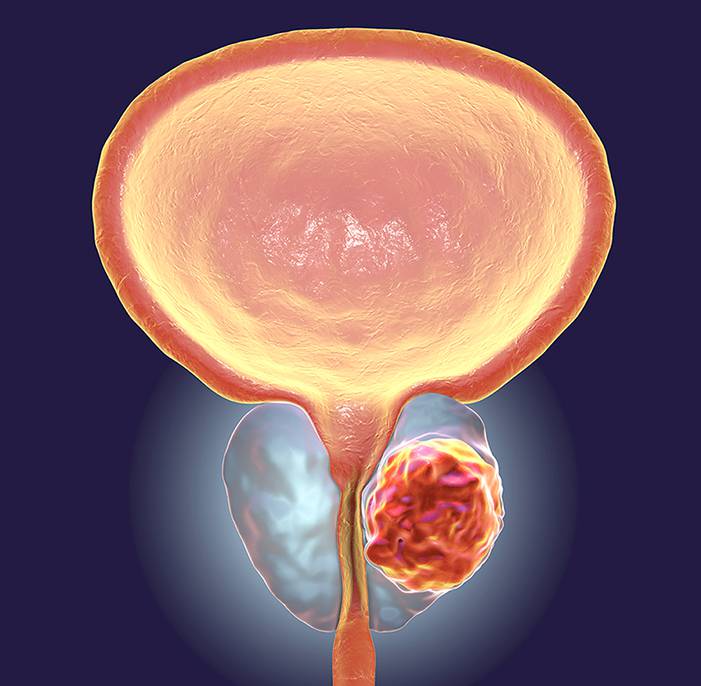
For those diagnosed with prostate cancer, treatment options vary depending on the stage and individual health factors. In recent years, innovative hormone therapies have offered new hope.
Two medications getting attention are Orgovyx (relugolix) and Nubeqa (darolutamide). FDA-approved, these drugs are part of targeted therapy strategies that limit the progression of advanced prostate cancer by disrupting cancer cell growth fueled by male hormones.
Here are key benefits of these treatments:
- Orgovyx: A daily oral hormone therapy that achieves rapid testosterone suppression without surgery
- Nubeqa: Often used in combination with other therapies, shown to prolong survival in non-metastatic and advanced prostate cancer cases
- Both are tolerated better than some traditional therapies and integrate well with personalized treatment plans
Speak with your doctor to learn whether these therapies might be part of your optimal care path.
Who Should Screen for Prostate Cancer and When?
Age, race, and family history all play critical roles in your prostate cancer risk. The American Cancer Society recommends discussing screening at:
- Age 50 for men at average risk
- Age 45 for those at high risk (e.g., African-American men or those with a first-degree relative diagnosed before age 65)
- Age 40 for those with more than one close relative affected at an early age
Understanding these guidelines can help you plan with your healthcare provider. Screening tests may include the PSA (prostate-specific antigen) blood test and a digital rectal exam (DRE). While not always definitive on their own, these tools are essential starting points.
Learning to recognize the early signs of prostate cancer and acting quickly on potential symptoms may significantly impact health outcomes. Treatments like Orgovyx and Nubeqa represent promising options for managing advanced cases when caught in time. If you're curious about your risk or considering screening, learning more can help you make an informed, confident decision about your long-term health.