
Accurate and efficient clinical documentation is crucial in today’s fast-paced healthcare environments. Yet many clinics still struggle with outdated and cumbersome workflows, leading to increased staff burdens and potential care delays. In this guide, we’ll explore how software solutions for clinical notes are streamlining documentation, improving workflows, and reshaping the way healthcare professionals manage patient data.
Understanding the Role of Clinical Note Software
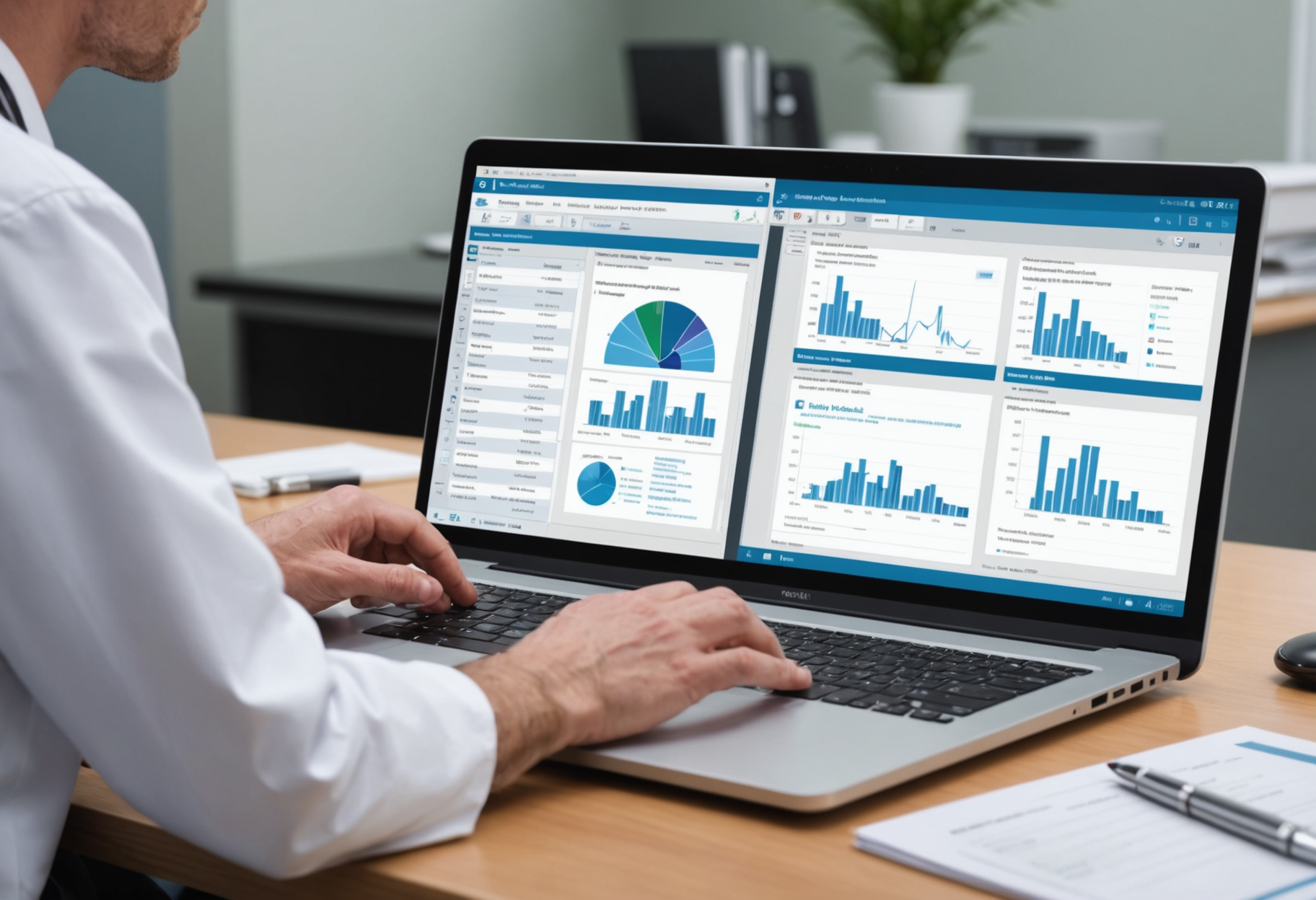
Clinical notes are more than just records—they are essential to delivering consistent, high-quality patient care. Effective software solutions for clinical notes function as a digital backbone for medical professionals, replacing traditional pen-and-paper or fragmented digital systems. These platforms are designed to help clinicians rapidly document patient encounters, retrieve historical data, and reduce the margin of error.
According to the National Library of Medicine, poor documentation can lead to significant clinical errors and increased costs. By streamlining charting through digital means, software reduces paperwork and promotes standardized care workflows.
Key Features of Effective Clinical Note Software
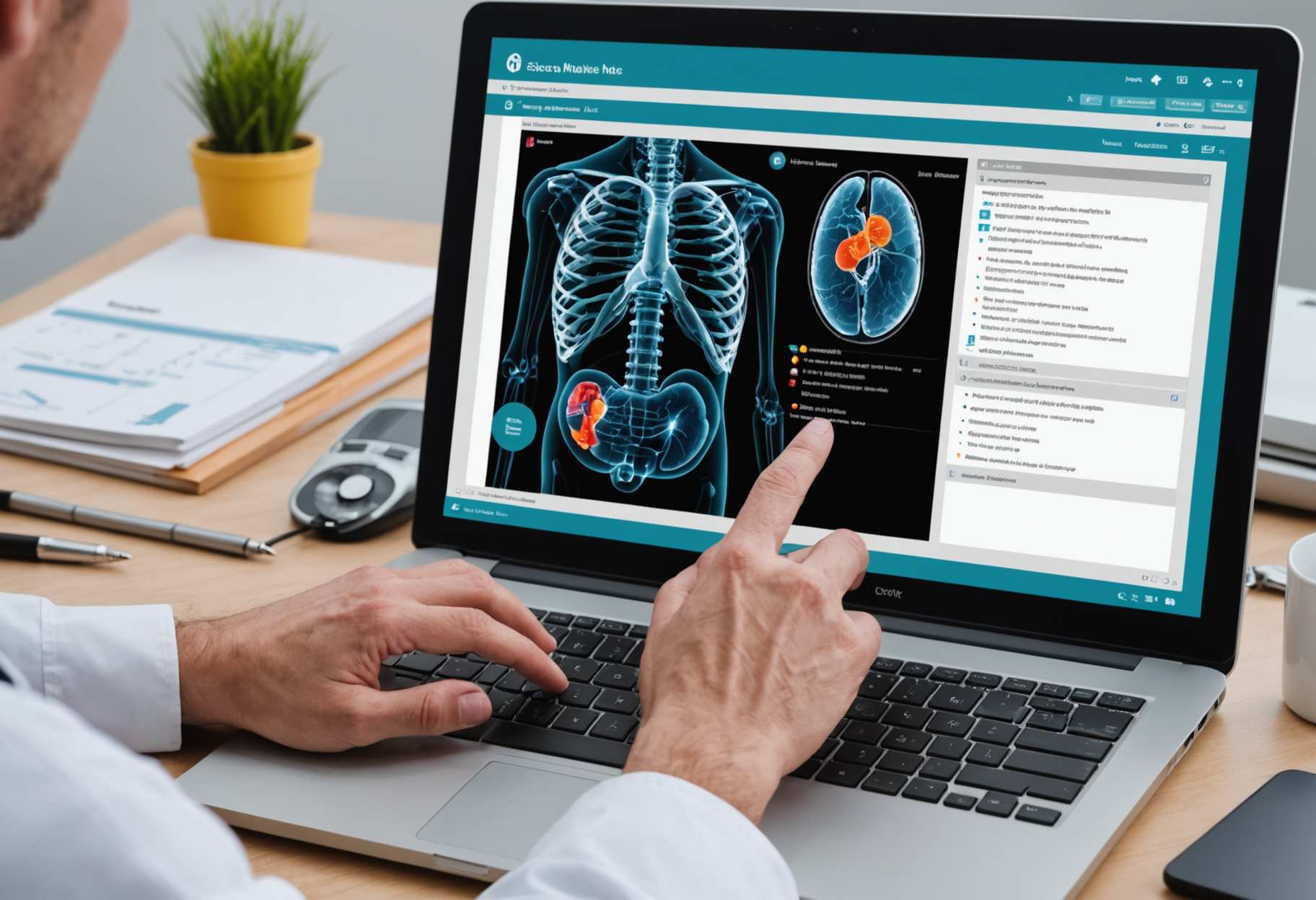
When choosing a clinical note management system, there are several features that can significantly impact usability and performance. These tools are often tailored to fit the specific needs of individual practices or specialties. Some of the most valuable features to consider include:
- Voice recognition transcription to speed up documentation
- Integration with Electronic Health Records (EHR) for holistic patient views
- Templates that adapt to different specialties
- Automated alerts for incomplete or abnormal entries
- Secure cloud access for data flexibility and protection
These features not only reduce clinician burnout but also help meet documentation standards set by organizations like the Joint Commission.
How Digital Documentation Improves Medical Workflows

Digitizing clinical notes doesn't just simplify record-keeping—it transforms the entire patient care workflow. With real-time data access and streamlined interfaces, healthcare teams can spend less time on administrative tasks and more time focusing on patients. This leads to decreased appointment duration, fewer repeat tests, and increased diagnostic accuracy.
A study from Health Affairs found that clinics using digital documentation tools reported a 16% average time savings per patient encounter. When scaled across the day, this efficiency adds up significantly, especially in high-volume practices.
Considerations When Choosing the Right Software

With a variety of options available, selecting the right medical documentation software can feel overwhelming. However, evaluating your practice’s size, specialty, budget, and workflow needs is key to narrowing down the best choice.
Look for vendors that offer extensive onboarding and support services, customizable features, and compliance with healthcare privacy regulations such as HIPAA. Additionally, cloud-based options offer greater flexibility for remote access and updates.
Software that integrates well with existing tools can also reduce staff training time and ensure seamless implementation across departments.
Enhancing clinical notes with effective software solutions can help your clinic reduce errors, boost efficiency, and elevate patient care experiences. As digital tools evolve, staying informed and choosing the right solution can position your practice for long-term success. If you're curious about how these platforms fit into your workflow, learning more can help you make an informed decision tailored to your needs.