
PrEP (pre-exposure prophylaxis) has become a game-changer in HIV prevention, but it’s not entirely foolproof. Many ask whether it’s still possible to get HIV while using PrEP—and the answer is nuanced. In this guide, we'll explore how PrEP works, its effectiveness, and what every user should understand about HIV exposure risk while on PrEP.
How PrEP Works to Prevent HIV
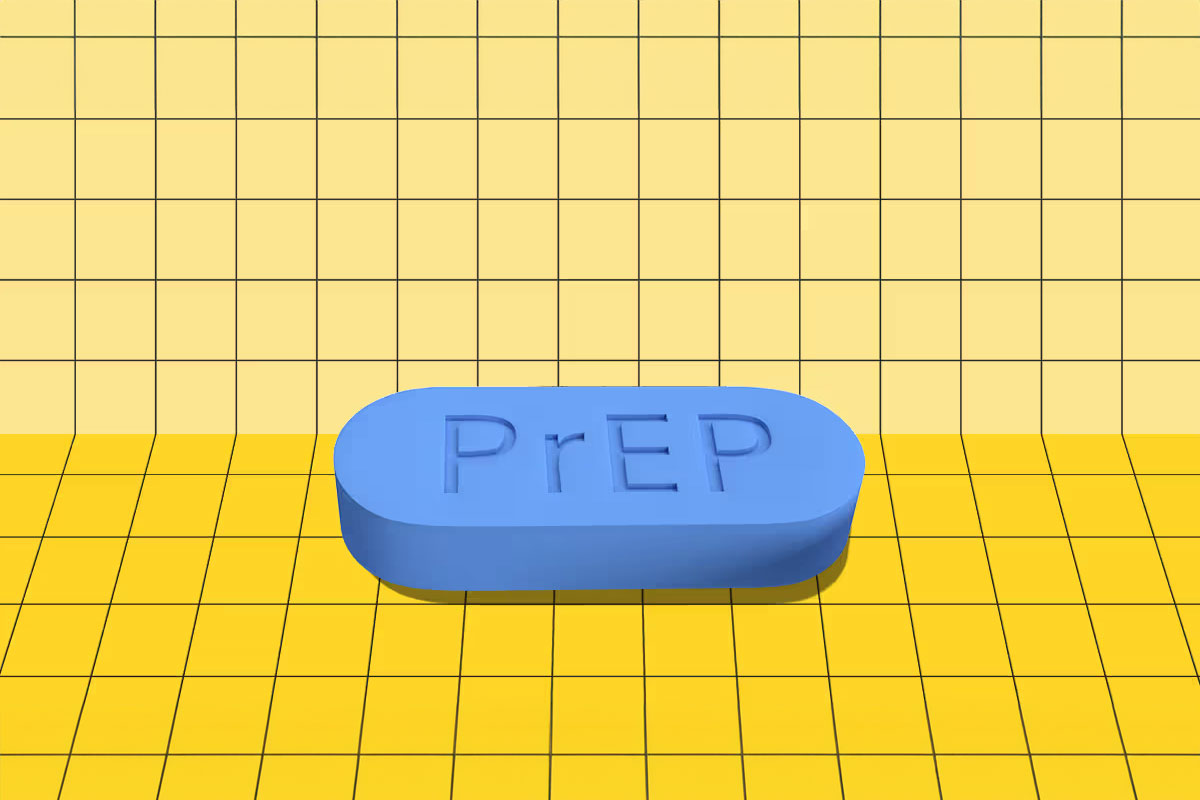
PrEP, or pre-exposure prophylaxis, is a daily medication that helps protect HIV-negative individuals from contracting the virus. The most commonly prescribed forms are Truvada and Descovy, which work by blocking HIV from replicating in the body if exposure occurs.
According to the Centers for Disease Control and Prevention (CDC), when taken daily, PrEP reduces the risk of getting HIV from sex by about 99%. Among people who inject drugs, it reduces the risk by at least 74%. However, like any medication, its efficacy depends on consistent and correct use.
Is It Still Possible to Get HIV While On PrEP?

While PrEP is highly effective, it’s not 100% foolproof. Breakthrough cases, though rare, can still happen—especially if the regimen isn’t followed as prescribed. HIV may still be transmitted under certain circumstances, including resistance to the medication or missed doses.
For instance, a clinical case study published by the NIH outlines a documented scenario in which a person on PrEP contracted HIV due to high viral resistance. It’s important to understand that no prevention method is infallible, which is why regular testing and ongoing communication with a healthcare provider are essential.
Factors That May Increase HIV Exposure Risk on PrEP

Several factors can potentially increase your risk of HIV exposure even while on PrEP. These include:
- Missing doses frequently or not taking the medication as prescribed
- Having sex with partners who have high viral loads of drug-resistant HIV
- Using medications that interfere with PrEP absorption
- Delayed or skipped HIV/STI testing
Additionally, the risk might be higher during the initial days of starting PrEP, as it typically takes around 7 days (for rectal tissue) to 21 days (for vaginal tissue) to reach maximum protection levels, according to the World Health Organization.
What You Can Do to Stay Protected
Staying informed and proactive can greatly minimize your risk of contracting HIV while on PrEP. Regular doctor visits and routine screenings help ensure PrEP remains effective. Additionally, combining PrEP with other safer sex practices provides an extra layer of protection.
Here are a few strategies to help you get the most out of PrEP:
- Take the medication consistently every day
- Attend regular follow-up appointments and get tested every 3 months
- Discuss any medication side effects or concerns with your provider
- Use condoms during sexual activity for added protection against STIs
- Inform your doctor about any new medications or health changes that might affect PrEP's efficacy
Engaging in open conversations with your provider is key to tailoring your prevention plan effectively.
While PrEP significantly reduces the risk of HIV, understanding its limitations is essential for your safety and peace of mind. By taking it consistently, staying on top of your appointments, and combining it with regular care, you can maximize its protective benefits. If you’re curious about PrEP effectiveness and how it fits into your lifestyle, learning more can help you make an informed decision. Always consult a healthcare professional for personalized advice.