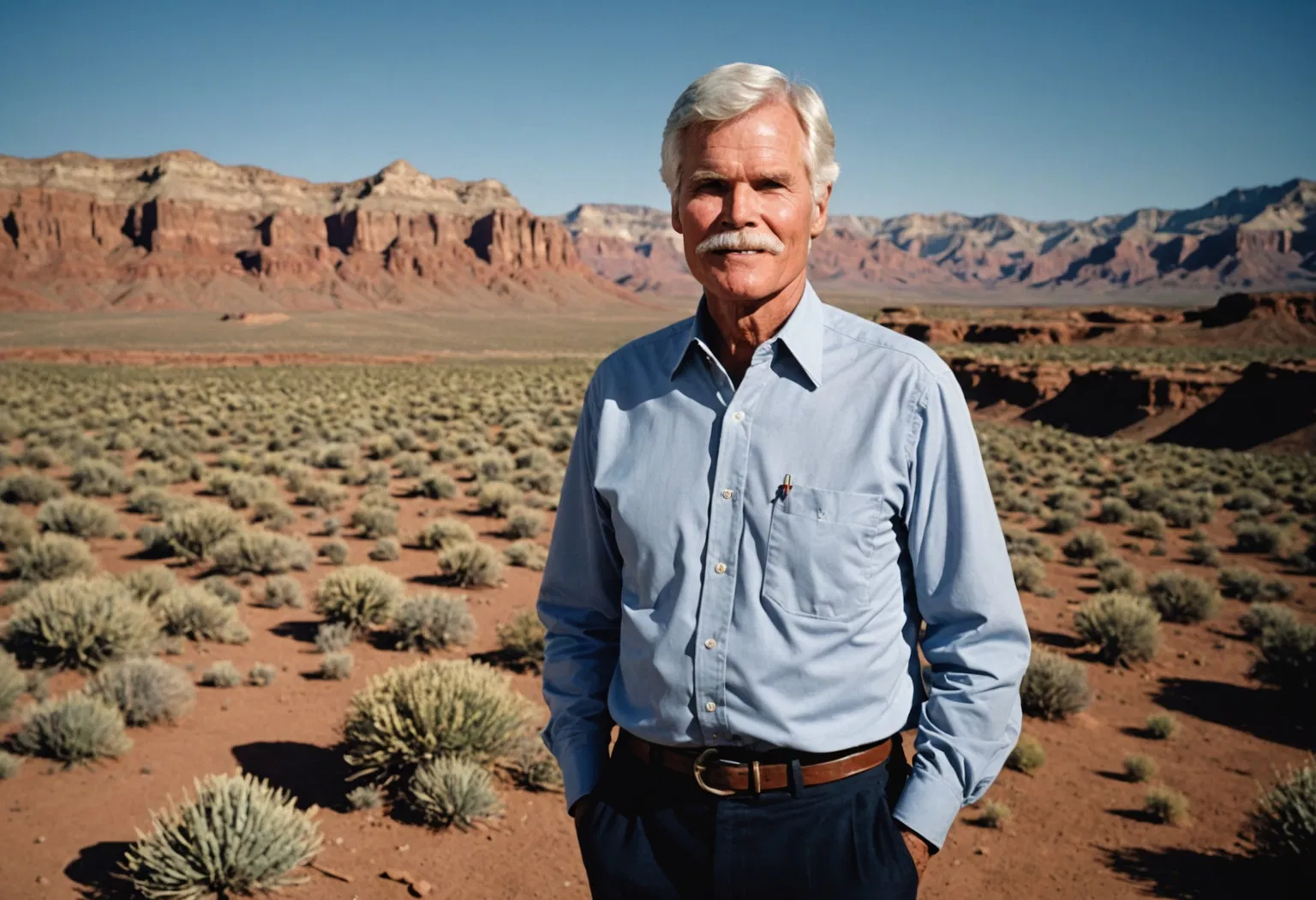
Name: Ted Turner (Robert Edward Turner III)
Age: 87
Birthday: November 19, 1938
Born: Cincinnati, Ohio, USA
Net Worth: Approximately $2.8 billion
Fun Fact: In 1977, Ted Turner skippered the yacht Courageous to victory in the America's Cup, one of sailing's most prestigious trophies.
Robert Edward "Ted" Turner III, the brash media visionary who launched CNN and transformed how the world consumes news, passed away on May 6, 2026, at the age of 87. The cable television pioneer died at his estate near Tallahassee, Florida, after a years-long battle with Lewy body dementia, a progressive neurodegenerative disease he publicly disclosed in 2018. At the time of his death, Forbes estimated Turner's net worth at approximately $2.8 billion, a staggering sum that nevertheless represented only a fraction of the fortune he controlled at his peak.
From Billboard Empire to Media Empire: How Ted Turner Built His Fortune
Turner's path to becoming a billionaire began under tragic circumstances. In 1963, at just 24 years old, he took over his father's billboard advertising company, Turner Outdoor Advertising, after his father died by suicide. The young Turner proved a natural businessman, expanding the company aggressively and rebranding it as Turner Broadcasting System. He purchased a struggling Atlanta UHF television station in 1970, turning it into WTBS — the first national "superstation" that beamed local programming to cable subscribers across America via satellite.
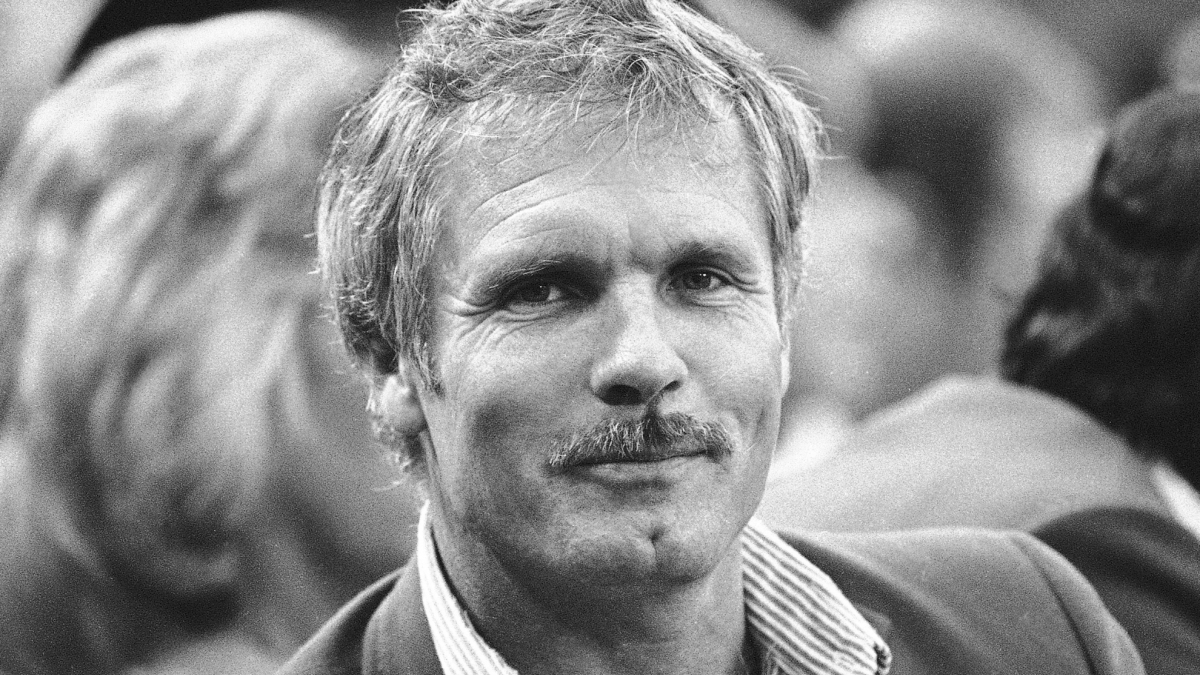
This was the foundation upon which Turner built his media empire. By the late 1970s, TBS was reaching millions of households, and Turner's net worth had climbed to approximately $100 million. But his true masterstroke came on June 1, 1980, when he launched the Cable News Network (CNN) — the world's first 24-hour television news channel. Critics called it "the Chicken Noodle Network" and predicted failure. Instead, CNN became the defining news platform of its era, particularly during the 1991 Gulf War, when its live coverage from Baghdad captivated the world. The network's success turned Turner into a bona fide media titan.
Timeline: The Rise, Peak, and Fall of a Billionaire's Fortune
Turner's wealth trajectory mirrors the arc of his extraordinary career. After taking over his father's billboard business in 1963, he spent decades building one of the most powerful media companies in the world. By the mid-1990s, his Turner Broadcasting System included CNN, TBS, TNT, Cartoon Network, and Headline News, along with ownership of the Atlanta Braves (MLB), Atlanta Hawks (NBA), and Atlanta Thrashers (NHL) sports franchises. At his peak, Turner's net worth exceeded $10 billion, placing him among the wealthiest individuals in America.
The turning point came in 1996, when Turner merged his company with Time Warner in a deal valued at $7.5 billion in stock. The merger was supposed to create a media powerhouse capable of competing in the new digital age. Instead, it proved disastrous for Turner's personal fortune. The $8 billion in stock he received in the merger evaporated as Time Warner shares plummeted, and the subsequent AOL merger in 2000 wiped out billions more in value. Turner later acknowledged the merger was the worst financial mistake of his life, estimating he lost approximately $8 billion of his wealth in the deal.
Analysing the Wealth: How Turner's $2.8 Billion Net Worth Stacks Up
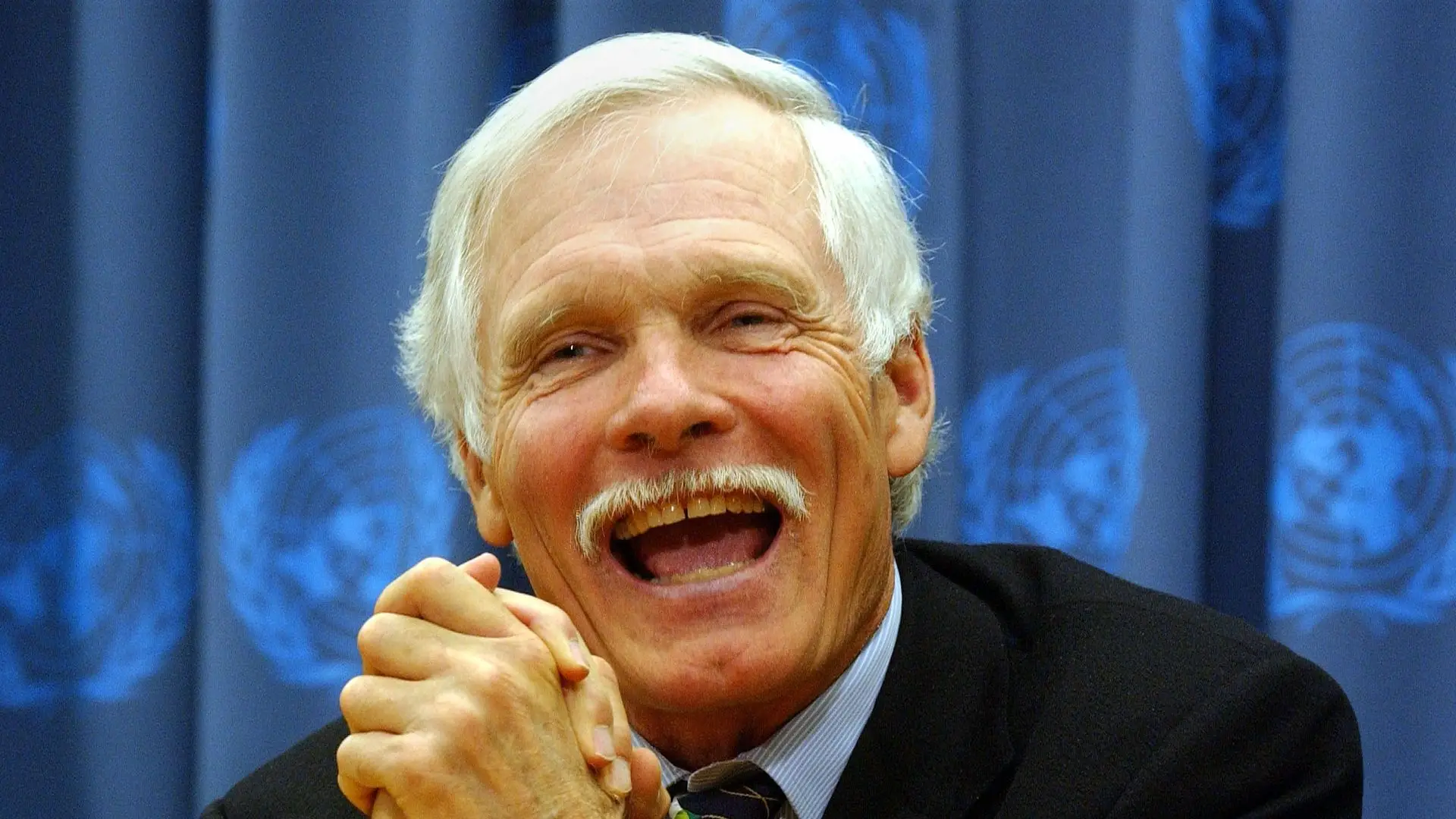
At the time of his death, Forbes ranked Turner as the 1,529th richest person in the world with a net worth of $2.8 billion. Other sources placed the figure between $2.2 billion and $2.8 billion. While still an enormous sum by any standard, it reflects the dramatic wealth destruction caused by the Time Warner merger. Estimates suggest that had Turner simply held onto his Turner Broadcasting shares rather than merging, his net worth could have been substantially higher.
Turner's wealth at his death came from several remaining assets. He continued to hold a significant stake in Time Warner (now Warner Bros. Discovery) from the merger. He also owned approximately 2 million acres of ranchland across several states, making him the second-largest individual landowner in the United States after John Malone. His ranch holdings included massive properties in Montana, New Mexico, South Dakota, Nebraska, and other states, where he operated one of the country's largest bison herds. Additionally, he owned a sizeable plantation in Jacksonboro, South Carolina.
The Philanthropic Legacy of a Billionaire
Turner's fortune was also shaped by his remarkable philanthropy. In 1997, he stunned the world by pledging $1 billion to create the United Nations Foundation, a public charity designed to broaden American support for UN causes. The pledge came at a time when the United States owed the UN hundreds of millions in back dues, and Turner's donation was explicitly intended to pressure other billionaires — notably Warren Buffett and Bill Gates — to give more generously. His dares worked: Gates and Buffett later launched the Giving Pledge, encouraging billionaires to donate the majority of their wealth.
Beyond the UN, Turner established the Turner Foundation in 1990 with a $2.5 million donation, focusing on environmental causes. He also founded the Nuclear Threat Initiative with Senator Sam Nunn, aimed at reducing the risk of nuclear, biological, and chemical weapons. Through these various philanthropic efforts, Turner gave away more than $1.5 billion over his lifetime, cementing his reputation as one of America's most generous philanthropists.
Personal Life and Relationships
Turner's personal life was as eventful as his business career. He was married three times: first to Julia Gale Nye (1960–1964), then to Jane Shirley Smith (1965–1988), and finally to actress Jane Fonda (1991–2001). His marriage to Fonda, one of Hollywood's most famous stars, kept the couple in the headlines throughout the 1990s. Turner had five children: Beau, Rhett, Jennie, Laura, and Teddy. He was survived by all five at the time of his death.
In his later years, Turner retreated from public life, spending most of his time on his vast Montana ranch. He revealed his Lewy body dementia diagnosis in 2018, describing it as a "mild case" and comparing it to the disease suffered by actor Robin Williams, whose death by suicide in 2014 was linked to the same condition. Despite the diagnosis, Turner maintained his characteristic irreverence, once quipping that he wished he "had a little more humility" — because then, he'd be perfect.
What's Next: The Legacy and Estate
With Turner's passing, attention now turns to the disposition of his estate. His five children are expected to inherit the bulk of his remaining wealth and vast land holdings. The future of his ranching operations — which include approximately 50,000 bison — and conservation efforts will likely continue through the family's various foundations. Much of Turner's philanthropic work is expected to carry on through the Turner Foundation and the United Nations Foundation, both of which remain active in environmental and global health initiatives.
Key Takeaways on Ted Turner's Net Worth
- Peak net worth: Over $10 billion in the mid-1990s before the Time Warner merger
- Net worth at death: Estimated between $2.2 billion and $2.8 billion (Forbes: $2.8 billion)
- Primary wealth sources: CNN, TBS, TNT, Cartoon Network; sports team ownership; 2 million acres of land
- Biggest financial loss: Approximately $8 billion lost in the Time Warner merger and subsequent AOL debacle
- Philanthropy: Over $1.5 billion in lifetime giving, including $1 billion to the United Nations Foundation
- Land holdings: Second-largest individual landowner in the U.S. with 2 million acres across multiple states
Ted Turner's net worth story is one of extraordinary heights, devastating setbacks, and remarkable generosity. From building the world's first 24-hour news network to giving away a billion dollars to the United Nations, Turner's financial legacy is inseparable from his larger-than-life personality. While his fortune at death was far less than what it once was, his estimated $2.8 billion net worth still places him among the wealthiest media figures in American history — and his impact on both media and philanthropy will be felt for generations to come.