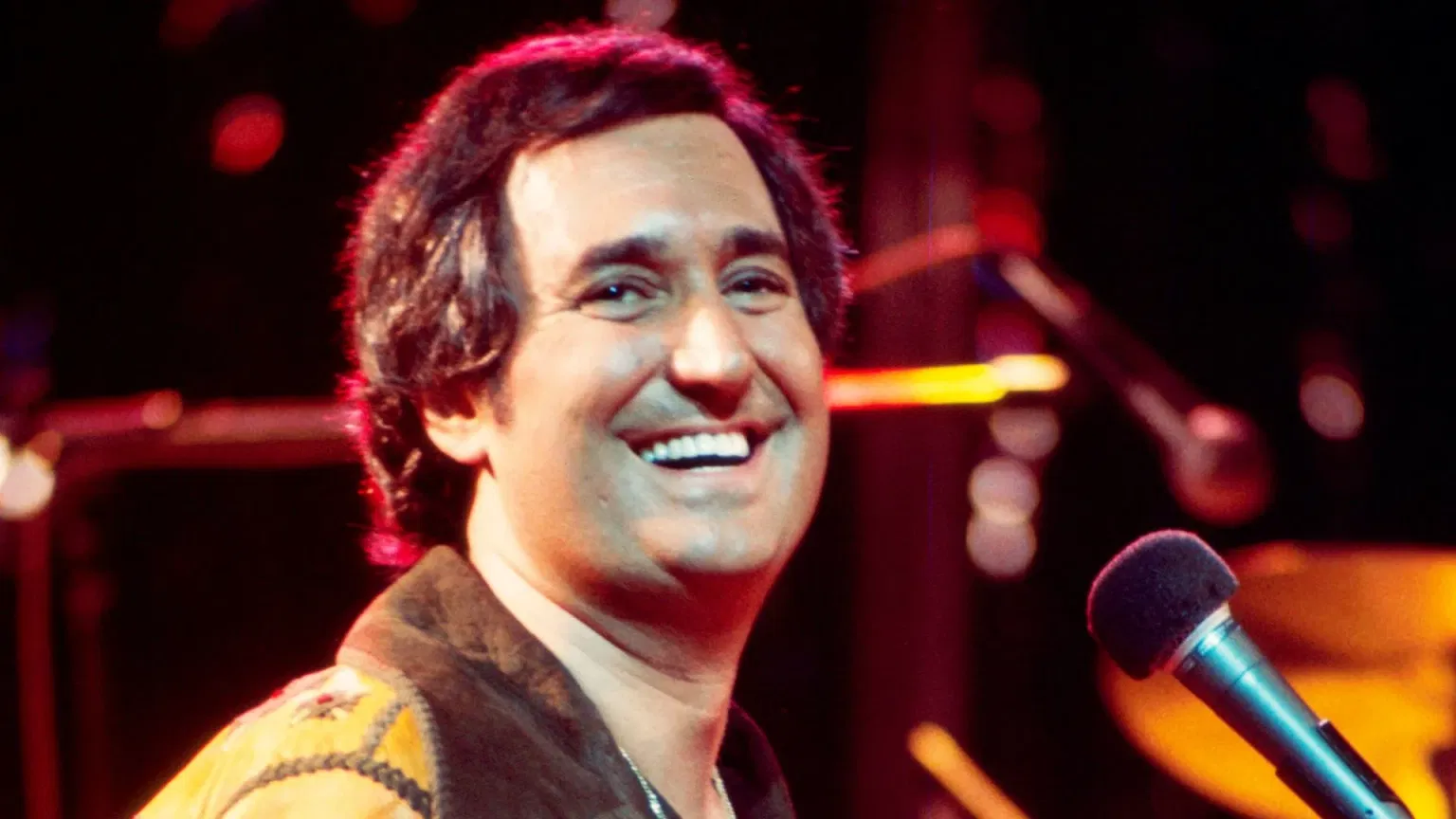
Name: Neil Sedaka
Age: 86
Birthday: March 13, 1939
Born: Brooklyn, New York, USA
Net Worth: Approximately $100 million
Fun Fact: He began studying at the prestigious Juilliard School of Music at just 8 years old.
The music world was stunned on February 27, 2026, when news broke that legendary singer-songwriter Neil Sedaka had died at age 86. While fans mourned the loss of the voice behind classics like "Breaking Up Is Hard to Do" and "Laughter in the Rain," financial analysts noted something equally remarkable: Sedaka left behind a fortune estimated at $100 million. This wasn't just the story of a pop star's success—it was a masterclass in how musical talent, when combined with business savvy, can create generational wealth that continues long after the final note has been played.
The Making of a Music Legend: From Brooklyn to Juilliard
Neil Sedaka's journey to a nine-figure net worth began in the unlikeliest of places: the backseat of a taxi. Born on March 13, 1939, in Brooklyn, New York, Sedaka was the son of a taxi driver father who initially saw music as little more than a hobby. But young Neil's talent was impossible to ignore. By age eight, he had already secured a scholarship to the Juilliard School of Music's Preparatory Division for Children, where he spent Saturdays immersed in classical piano training that would later become the foundation of his pop compositions.

This classical background gave Sedaka a unique advantage in the pop world. While other artists were learning chords by ear, Sedaka understood music theory, composition, and arrangement at a level that few pop musicians could match. "Without blowing my own horn, I have perfect pitch," Sedaka once told The Hollywood Reporter. "I can hear a note and tell you what it is." That technical mastery, combined with an innate sense of melody, would become the engine of his financial success.
From Teen Prodigy to Chart-Topping Millionaire
Sedaka's professional career began in 1957, but his real financial breakthrough came in the early 1960s with a string of hits that transformed him from a talented musician into a genuine pop phenomenon. Songs like "Calendar Girl" (1961), "Breaking Up Is Hard to Do" (1962), and "Next Door to an Angel" (1962) dominated the charts and, more importantly, began generating substantial royalty checks.
The numbers tell the story of Sedaka's rapid ascent. According to Celebrity Net Worth, Sedaka's net worth reached its first major milestone in the mid-1960s, thanks to both record sales and his growing catalog of compositions. What made Sedaka unusual among his peers was that he both wrote and performed most of his hits—a dual revenue stream that would multiply his earnings exponentially. While many artists earned primarily from performances, Sedaka was collecting publishing royalties every time one of his songs was played on the radio, purchased as a record, or covered by another artist.
The Royalty Revolution: How Songwriting Built a Fortune
If there's one lesson to learn from Neil Sedaka's $100 million net worth, it's this: in the music business, publishing rights are where the real money lives. Sedaka wrote or co-wrote more than 500 songs during his career, and each one became a potential annuity. Unlike one-time concert payments or record advances, royalties continue paying year after year, decade after decade.

Sedaka's own words reveal just how dramatic this royalty income could be. In an interview with The Hollywood Reporter, he recalled: "I went from making $30,000 a year to $6 million a year with [that] song." While he didn't specify which song caused this seismic shift in his finances, the quote illustrates the transformative power of a single hit in the royalty economy. This wasn't just about selling records—it was about owning intellectual property that continued generating income long after the initial recording session.
His catalog included not only his own recordings but also songs written for other artists. The Captain & Tennille's "Love Will Keep Us Together" (which contained Sedaka's "Breaking Up Is Hard to Do" as a musical quote), Connie Francis's "Stupid Cupid," and numerous other compositions expanded his revenue streams beyond his own performances. Each radio play, streaming listen, commercial sync, and cover version meant another payment flowing into Sedaka's accounts.
Catalog Cash: The Primary Wave Deal and Modern Valuation
In April 2024, Sedaka made what would become one of the most financially significant moves of his career: he partnered with Primary Wave Music to sell a stake in his publishing catalog and master recordings. While the exact terms weren't disclosed, industry analysts estimated the deal to be worth tens of millions of dollars, adding a substantial lump sum to Sedaka's already impressive net worth.
This transaction was part of a larger trend in the music industry where legendary artists cash in on their life's work, but Sedaka's deal was particularly notable given the enduring popularity of his catalog. Primary Wave's announcement highlighted that the partnership included classics like "Breaking Up Is Hard to Do," "Laughter in the Rain," "Bad Blood," and "Love Will Keep Us Together"—songs that continued to generate significant streaming revenue decades after their release.
The timing proved prescient. With streaming services bringing classic songs to new generations, Sedaka's catalog was experiencing something of a renaissance. On Spotify alone, his top tracks regularly accumulated millions of streams monthly, with "Breaking Up Is Hard to Do" surpassing 100 million streams. Each of those streams generated fractions of a cent that, when multiplied across hundreds of songs and millions of plays, added up to substantial annual income.
The $100 Million Breakdown: Understanding Sedaka's Wealth
So how did Neil Sedaka's net worth reach that impressive $100 million figure? According to financial analysts and entertainment industry experts, his fortune came from several key sources:
- Songwriting Royalties: As the writer or co-writer of over 500 songs, Sedaka earned publishing royalties every time his music was played, performed, or reproduced. This included radio airplay, streaming, physical sales, and synchronization licenses for films, commercials, and television shows.
- Recording Income: Sales of his own recordings, from vinyl in the 1960s to digital downloads and streams in the 21st century, provided a steady revenue stream throughout his career.
- Performance Earnings: Concert tours, Las Vegas residencies, and television appearances added millions to his bottom line, particularly during peak popularity periods in the 1960s-70s and again during his career resurgence in the 1970s-80s.
- Catalog Sale: The 2024 deal with Primary Wave Music injected a significant lump sum into his estate, likely representing the present value of decades of future royalty income.
- Investments and Assets: Like any savvy high-net-worth individual, Sedaka presumably invested portions of his earnings in real estate, stocks, and other assets that appreciated over time.
Five-time Grammy nominations, a star on the Hollywood Walk of Fame (1978), and induction into the Songwriters Hall of Fame (1983) weren't just honors—they were branding assets that increased the commercial value of his work. Each award reinforced his status as a music industry legend, which in turn made his catalog more valuable to buyers like Primary Wave.
A Fortune That Will Keep Playing On
Neil Sedaka's death on February 27, 2026, marked the end of an extraordinary life in music, but it certainly didn't mark the end of his financial legacy. Thanks to the structure of music royalties and his wise decision to sell a portion of his catalog while retaining ongoing income, Sedaka's estate will continue earning substantial revenue for decades to come.
His $100 million net worth stands as testament to a fundamental truth about the entertainment business: true wealth isn't just about talent or popularity—it's about ownership. By writing his own songs and maintaining control of his publishing rights, Sedaka ensured that his creative work would continue supporting his family and funding his legacy long after he stopped performing.
From the practice rooms of Juilliard to the top of the charts and ultimately to a nine-figure fortune, Neil Sedaka's journey offers a masterclass in building lasting wealth through artistic creation. His music gave joy to millions, but his business acumen ensured that the financial rewards of that joy would endure, proving that sometimes, breaking up might be hard to do, but building a $100 million legacy is even harder—and far more impressive.