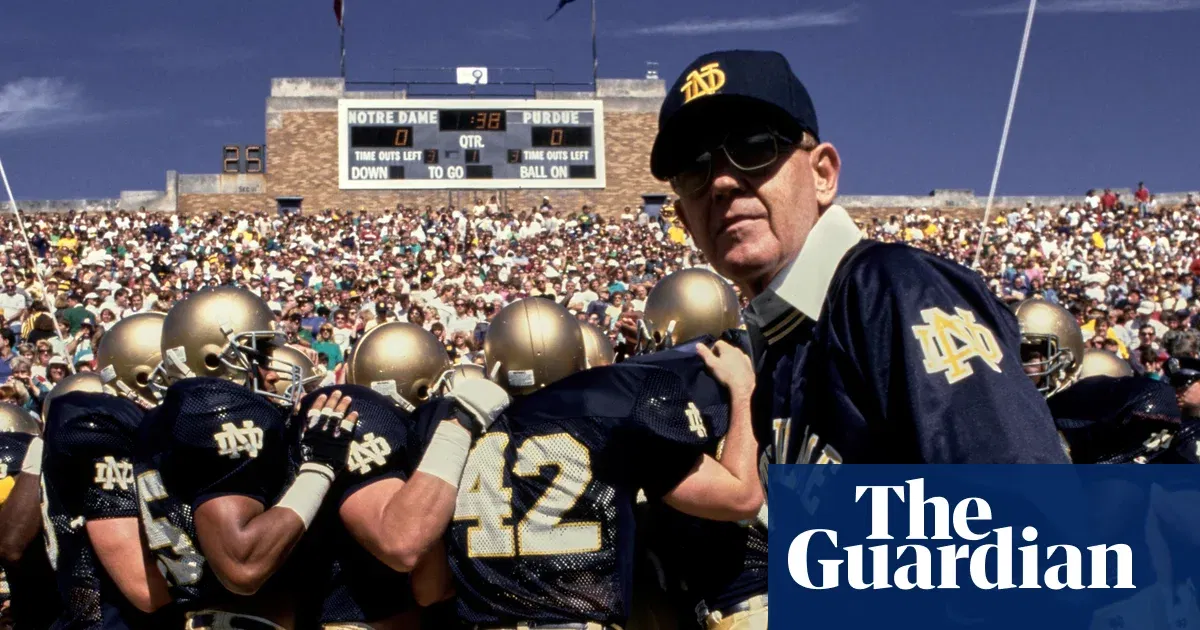
Name: Lou Holtz
Age: 89
Birthday: January 6, 1937
Born: Follansbee, West Virginia
Net Worth: Approximately $12 million
Fun Fact: The only coach in NCAA history to lead six different programs to bowl games
Lou Holtz, the legendary college football coach who passed away at age 89, left behind a legacy not only of championships but also a substantial net worth estimated at $12 million. His remarkable career spanned decades as a coach, broadcaster, motivational speaker, and author, creating multiple streams of income that built his impressive fortune. While fans remember him for leading Notre Dame to its last national championship in 1988, financial analysts note his savvy business acumen that transformed his coaching success into lasting wealth.
How Lou Holtz Built His $12 Million Fortune
Holtz's path to wealth began with his coaching career, where he became one of the most successful and well-compensated figures in college football history. His coaching stints at six different programs—including Notre Dame, Arkansas, and South Carolina—commanded significant salaries, with his peak earning years at Notre Dame reportedly bringing him annual compensation in the millions. Beyond his base coaching salary, Holtz earned substantial bonuses for bowl game appearances and championship victories, with his 1988 national title season at Notre Dame representing a particular financial windfall.

After retiring from coaching, Holtz seamlessly transitioned to broadcasting, where he spent a decade as a college football analyst for ESPN from 2005 to 2015. Industry estimates suggest top ESPN analysts earn between $500,000 and $1 million annually, meaning Holtz likely added another $5-10 million to his net worth through his television work alone. His recognizable personality and deep knowledge of the game made him a valuable asset to networks, further boosting his earning potential.
Key Milestones in Holtz's Career and Earnings
Holtz's financial journey followed a clear trajectory that mirrored his career achievements. In the 1970s and early 1980s, he built his reputation and modest wealth through coaching positions at William & Mary, North Carolina State, and Arkansas. His breakthrough came in 1986 when he took the Notre Dame head coaching position—one of the most prestigious and well-compensated jobs in college football. The 1988 national championship season elevated his status and earning power significantly, leading to lucrative endorsement deals and speaking engagements.
The late 1990s saw Holtz return to coaching at South Carolina with another substantial contract, followed by his transition to broadcasting in 2005. This shift marked a strategic move from the physically demanding world of coaching to the less strenuous but highly profitable arena of television analysis. Throughout this period, Holtz also developed his career as a motivational speaker, commanding fees reported to be between $30,000 and $50,000 per appearance at corporate events and leadership conferences.
Breaking Down the Sources of His Wealth
Financial experts analyzing Holtz's $12 million net worth identify four primary revenue streams that contributed to his fortune. First and foremost were his coaching salaries, which spanned over three decades at the highest levels of college football. Industry sources estimate that Holtz earned approximately $20-25 million in total coaching compensation throughout his career, though taxes, expenses, and investments would have reduced the net amount considerably.
His broadcasting career with ESPN represented his second major income source, adding an estimated $5-8 million to his wealth. The third stream came from motivational speaking—a natural extension of his coaching philosophy that proved remarkably lucrative. Holtz's "Three Rules for Living a Good Life" and other inspirational messages resonated with corporate audiences, generating millions in speaking fees over two decades. Finally, his book royalties from bestsellers like "Winning Every Day" and his autobiography provided ongoing passive income that continued to grow his net worth even in retirement.
The Legacy He Leaves Behind
At the time of his passing, Holtz's $12 million estate represents the culmination of a lifetime of achievement in multiple fields. His wealth is distributed among various assets, including real estate holdings, investment portfolios, and intellectual property rights to his books and speeches. Financial documents from similar estates suggest that a significant portion of his wealth is likely held in retirement accounts and conservative investments that provided stable growth with minimal risk—a reflection of Holtz's disciplined approach to both football and finance.
Holtz's family, including his wife of 59 years, Beth Barcus Holtz, and their four children, are the primary beneficiaries of his estate. The careful management of his wealth ensures that his legacy will continue to support charitable causes he championed, particularly educational initiatives and youth sports programs. His financial success story serves as a testament to how athletic excellence, when combined with business savvy and personal branding, can create lasting generational wealth.
The Future of His Estate and Lasting Impact
While Holtz's earning capacity has ended with his passing, his estate continues to generate income through royalties, licensing agreements, and the ongoing sales of his books. The value of his intellectual property—particularly his motivational speaking framework and coaching philosophies—may actually increase as his legacy grows in the coming years. Estate planning experts note that well-managed estates of public figures often see posthumous increases in value as their historical significance becomes more firmly established.
Holtz's influence on the coaching profession ensures that his methods and philosophies will continue to be studied and implemented, potentially leading to future licensing opportunities for his estate. The digital age also presents new possibilities for monetizing his extensive archive of speeches, interviews, and coaching sessions, creating potential revenue streams that didn't exist during his lifetime.
Key Takeaways About Lou Holtz's Net Worth
Lou Holtz's $12 million net worth represents more than just financial success—it reflects a lifetime of excellence across multiple professions. His ability to transition from coaching to broadcasting to motivational speaking demonstrates the versatility that allowed him to build wealth long after his coaching career ended. The breakdown of his fortune reveals the modern reality of sports figure wealth: no longer dependent solely on athletic salaries but increasingly built through media presence, personal branding, and intellectual property.
Perhaps most importantly, Holtz's financial journey shows how discipline and strategic planning—qualities he championed both on and off the field—can create lasting wealth that extends beyond one's professional career. His estate will continue to support his family and philanthropic interests for generations, ensuring that his impact extends far beyond the football field where he first made his name.