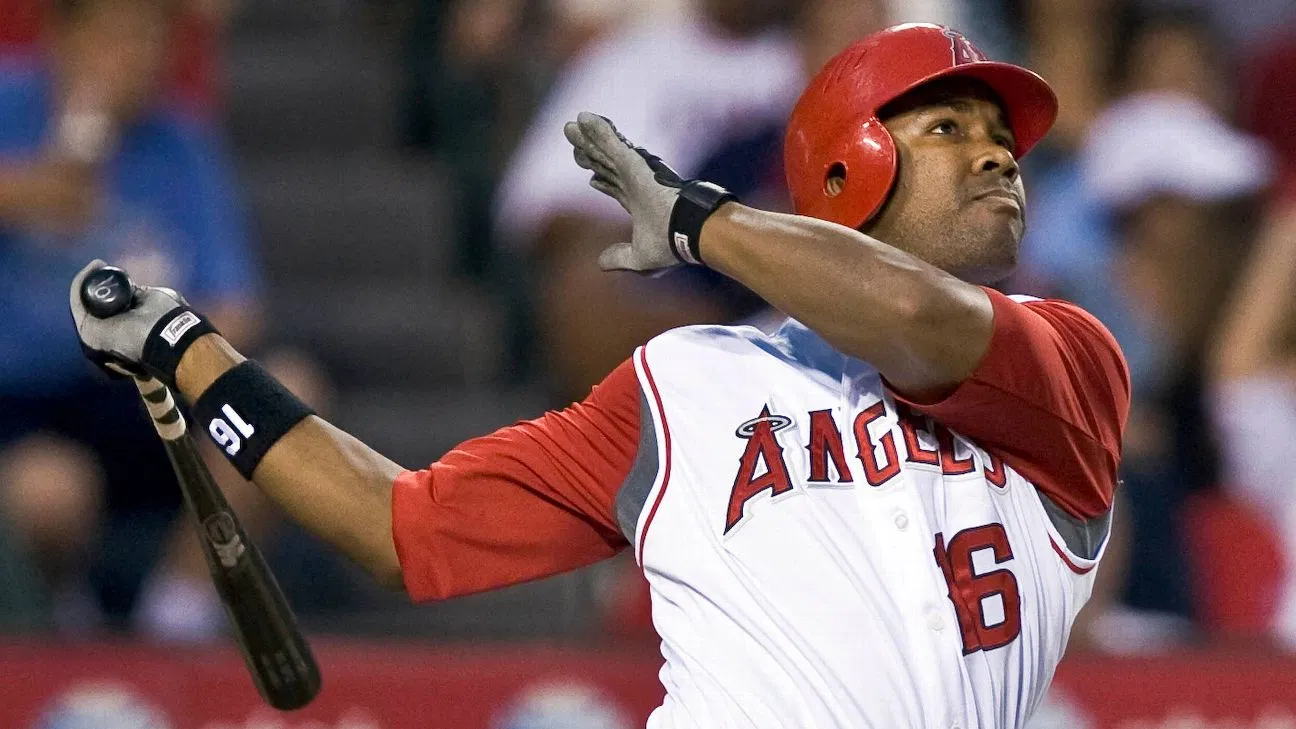
Name: Garret Joseph Anderson
Age: 53
Birthday: June 30, 1972
Born: Los Angeles, California, USA
Net Worth: Approximately $40 million
Fun Fact: Anderson was named Most Valuable Player of the 2003 MLB All-Star Game.
The sudden passing of Garret Anderson on April 16, 2026, at age 53 brought renewed attention to the financial legacy of one of baseball's most consistent and understated stars. While tributes poured in for the Angels legend who helped deliver the franchise's only World Series championship, financial analysts and fans alike began examining how the quiet superstar built a fortune estimated at $40 million through a remarkable 17-year Major League Baseball career.
How a Fourth-Round Pick Built a $92.5 Million Career Earnings Portfolio
Garret Anderson's path to wealth began not as a highly-touted prospect, but as a fourth-round draft pick by the California Angels in 1990. His journey from Kennedy High School in Granada Hills, California, to MLB stardom represents one of baseball's great development stories. Anderson made his major league debut on July 27, 1994, and within three years established himself as one of the game's most reliable hitters.
What made Anderson's financial story unique was his consistency. Unlike many stars who sign one massive contract, Anderson built his wealth through steady performance and multiple contract extensions. His breakthrough came in 2000 when he signed a four-year, $22 million extension with the Angels, a deal that seemed modest by today's standards but represented significant security at the time. This contract coincided with his peak performance years, during which he batted over .300 three times and drove in more than 100 runs in four consecutive seasons.
The financial pinnacle of Anderson's career arrived in 2004 when he signed another extension with the Angels worth $48 million over four years. This deal, coming off his All-Star Game MVP performance in 2003 and the 2002 World Series championship, ensured that the majority of his career earnings would come during his thirties—a testament to his durability and sustained excellence.
The Contract Timeline: From Angels Anchor to Veteran Presence
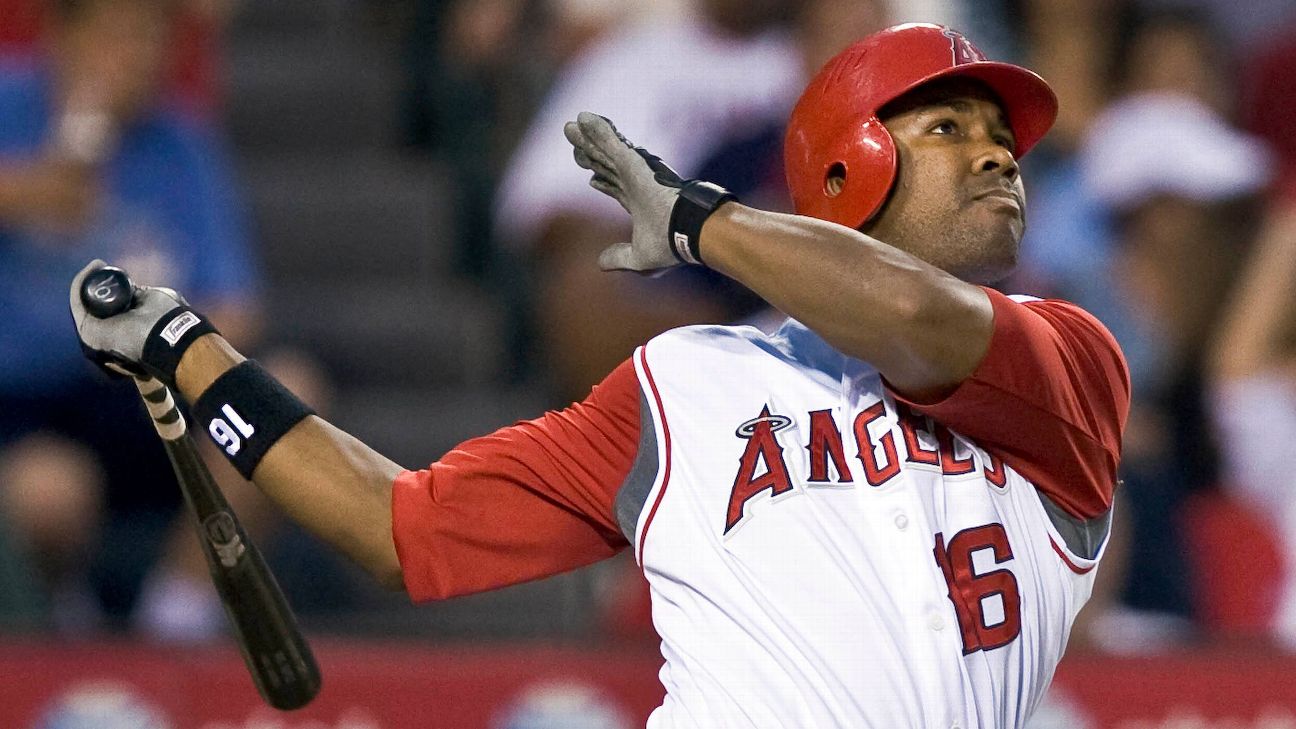
Anderson's contract history reads like a roadmap of his career evolution. After his initial years at league minimum salaries, his first significant payday came in 2000 with the $22 million extension. The 2004 $48 million deal represented his career peak, paying him an average of $12 million annually through the 2008 season.
When the Angels chose not to re-sign him after the 2008 season, Anderson demonstrated his continued value by landing a $2.5 million contract with the Atlanta Braves for the 2009 season. Despite being 37 years old, he played 135 games for Atlanta, batting .268 with 13 home runs. His final MLB contract came with the Los Angeles Dodgers in 2010, where he earned $550,000 while serving as a veteran presence and part-time contributor.
Throughout his career, Anderson's earning power remained remarkably consistent. He never experienced the dramatic salary fluctuations that affect many athletes, largely because he avoided major injuries and maintained above-average production well into his late thirties. Financial analysts note that Anderson's career earnings of approximately $92.5 million, when adjusted for inflation, would equate to over $120 million in today's dollars.
Where the Money Came From: Salary Breakdown and Financial Strategy
Unlike many modern athletes who diversify their income through endorsements, business ventures, and media appearances, Anderson's wealth was almost entirely derived from his MLB salaries. According to financial experts who have analyzed his career, endorsement deals represented less than 5% of his total income. This contrasts sharply with contemporaries like Derek Jeter or Alex Rodriguez, who built significant wealth outside the game.
Anderson's financial approach mirrored his playing style: steady, consistent, and low-profile. He invested primarily in real estate, with properties in Southern California, and maintained a relatively modest lifestyle compared to many athletes with similar earnings. Teammates often remarked that Anderson drove practical vehicles and lived in comfortable but not extravagant homes throughout his career.
"Garret was always about stability," former Angels teammate Tim Salmon noted in a recent interview. "He understood that baseball careers don't last forever, and he managed his money with the same careful approach he brought to the plate. He wasn't flashy, but he was smart about securing his family's future."
The Angels Legacy and Its Financial Implications
Anderson's place in Angels history extends beyond statistics and championships—it represents a financial success story for both player and franchise. The Angels invested approximately $70 million in Anderson over his 15 seasons with the team, and received what many consider exceptional return on investment. He became the franchise's all-time leader in hits (2,368), games played (2,013), at-bats (7,989), doubles (489), and total bases (3,743).
This production translated directly to fan engagement and revenue for the Angels organization. During Anderson's peak years from 2000-2008, Angels attendance increased by over 30%, and the team's valuation grew substantially. While difficult to quantify precisely, marketing experts estimate that Anderson's consistent presence and championship pedigree contributed millions in additional revenue through merchandise sales, ticket packages, and broadcast ratings.
After his retirement in 2011, Anderson maintained connections with the Angels organization through occasional appearances and community events. While he never pursued a full-time coaching or broadcasting career that could have supplemented his income, he earned modest fees for appearances and autograph sessions, particularly around anniversary celebrations of the 2002 World Series team.
Comparative Wealth: How Anderson's Net Worth Stacks Up
Among his 2002 World Series champion teammates, Anderson's $40 million net worth places him in the upper tier but not at the very top. Fellow stars like Troy Glaus and Tim Salmon accumulated similar wealth, while pitcher Bartolo Colon, who played until age 45, reportedly amassed a larger fortune through extended career earnings.
In the broader context of MLB players from his era, Anderson's wealth is respectable but not exceptional. Superstars like Derek Jeter ($200 million), Alex Rodriguez ($350 million), and Ichiro Suzuki ($180 million) far surpassed his financial achievements. However, when compared to the average MLB career earnings of his time—approximately $15-20 million for position players with 10+ year careers—Anderson's $92.5 million in career earnings represents outstanding financial success.
What makes Anderson's financial story particularly noteworthy is how he achieved it without the benefit of today's skyrocketing salaries. The current MLB minimum salary of $740,000 is more than Anderson earned in several of his early seasons, and today's superstars routinely sign contracts worth $300-400 million. In inflation-adjusted terms, Anderson's career earnings would rank him among today's solid veterans rather than elite superstars.
The Estate and Legacy: What Happens to the $40 Million Fortune
With Anderson's sudden passing at age 53, attention now turns to the management and distribution of his estate. Married to his wife Teresa since 1995, Anderson is survived by three children: Brianne, Bailey, and Trey. According to estate planning experts familiar with professional athletes' finances, Anderson likely established trusts and other vehicles to protect his wealth for future generations.
California's estate tax laws, combined with federal estate tax exemptions, mean that a significant portion of Anderson's $40 million fortune will pass to his family. Given his reputation for financial prudence, it's likely that he worked with professional advisors to minimize tax liabilities and ensure his children's educational and personal needs would be met.
Beyond the immediate family, Anderson's legacy includes philanthropic contributions, particularly to youth baseball programs in Southern California. Throughout his career and retirement, he supported organizations that provided equipment and opportunities for underprivileged children to play baseball, though he typically did so without seeking public recognition.
The Bottom Line: A Career Worth Remembering
Garret Anderson's $40 million net worth tells the story of a career built on consistency, durability, and understated excellence. In an era of baseball increasingly dominated by flashy personalities and massive short-term contracts, Anderson demonstrated that steady performance over 17 seasons could create substantial wealth without the need for external branding or business ventures.
His financial journey from fourth-round draft pick to $40 million fortune mirrors his baseball journey: neither the quickest nor the flashiest path, but one marked by reliability, professionalism, and sustained achievement. As the baseball world mourns his passing, Anderson's financial legacy serves as a reminder that in sports as in investing, consistent returns over time often yield the most secure results.
Ultimately, Garret Anderson's net worth represents more than just dollars—it's the financial embodiment of a career that delivered value to every team he played for, every fan who watched him, and every teammate who shared the field with one of baseball's most reliably productive players.