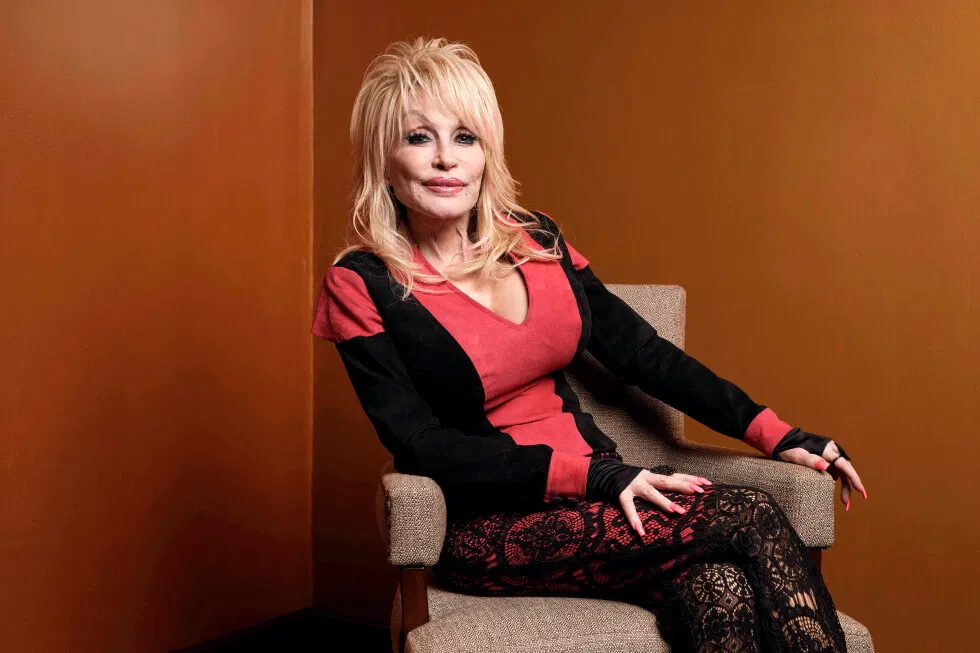
Name: Dolly Rebecca Parton
Age: 80
Birthday: January 19, 1946
Born: Locust Ridge, Tennessee, USA
Net Worth: Approximately $650 million
Fun Fact: Whitney Houston's cover of "I Will Always Love You" earned Parton roughly $20 million in royalties, which she joked went toward "a lot of cheap wigs."
Dolly Parton, the beloved country music superstar and one of the most successful self-made entertainers in American history, died on August 25, 2026, at age 80, leaving behind a fortune estimated at roughly $650 million. From a childhood of poverty in the Smoky Mountains of Tennessee to a six-decade career spanning music, film, and business, Parton built one of the most remarkable financial empires in show business — all while famously keeping tight control of the song catalog that powered it. Here is a look at who Dolly Parton was, what she did, and how she made her money.
From a Sharecropper's Cabin to Country Music Royalty
Dolly Rebecca Parton was born on January 19, 1946, in Locust Ridge, Tennessee, the fourth of 12 children born to Robert Lee Parton, an illiterate sharecropper and farmer, and Avie Lee Owens Parton. Parton described her family as "dirt poor," and money was a constant struggle during her childhood in rural Appalachia. She learned about music from her mother, who sang and played guitar, and she was writing songs before she could even read. After receiving her first guitar from a relative, Parton began performing professionally at age 10 on local television and radio shows in Knoxville, and she made her Grand Ole Opry debut just three years later. The day after finishing high school in 1964, she moved to Nashville to chase a career in music.
Parton's career took off in 1967 when she partnered with country star Porter Wagoner on The Porter Wagoner Show. The two became one of country music's most popular duos, and the exposure helped Parton land a contract with RCA Records. Even in those early years, Parton showed the business instincts that would later define her fortune: she protected the publishing rights to her songs from the very beginning. "As soon as I could, I started my own publishing company, got my own record label," she once said. "I think it's important, if you can, to keep all of your goods close to home where you can control them."
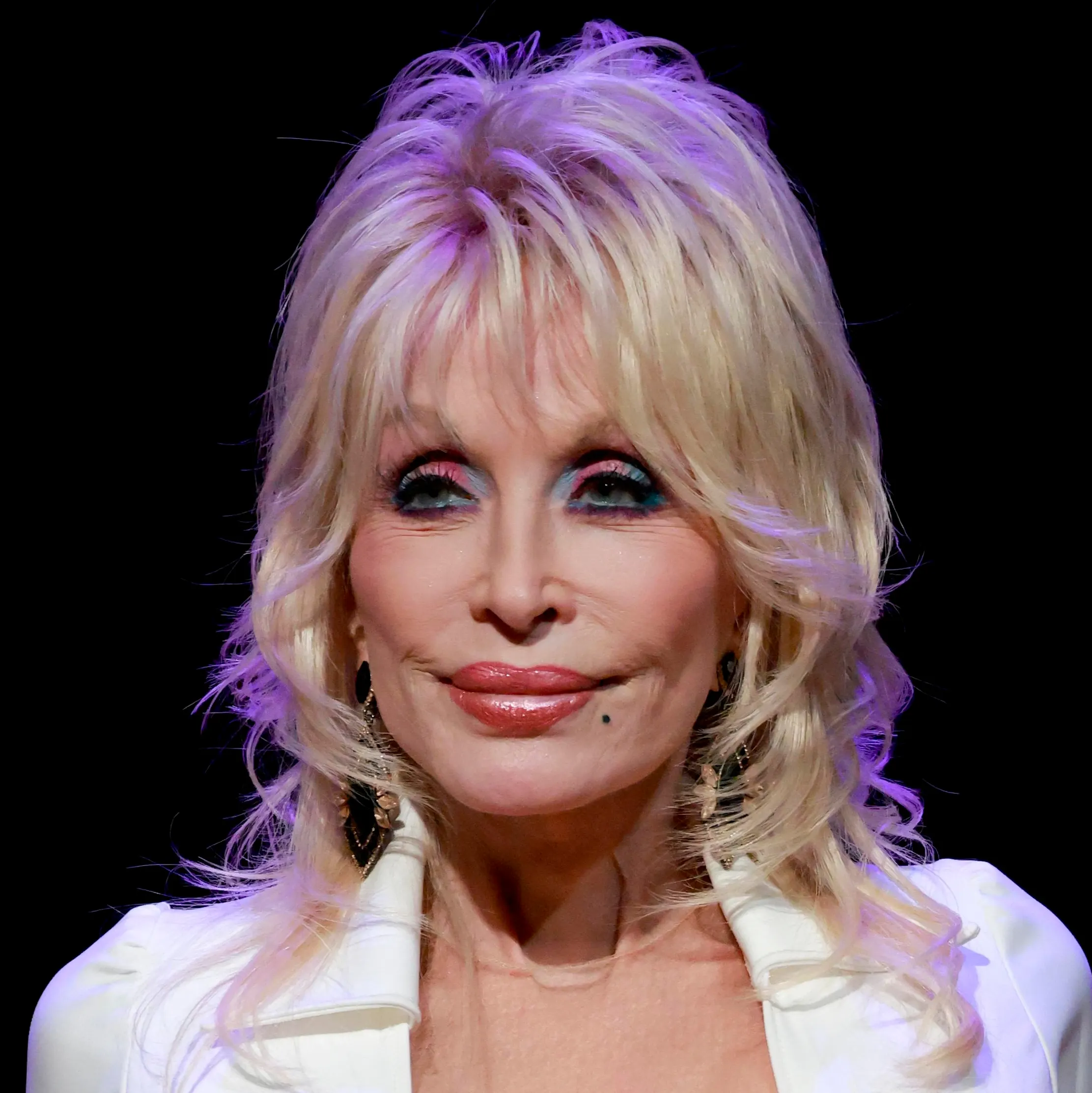
Parton scored her first No. 1 country hit in 1971 with "Joshua," followed by the haunting 1973 single "Jolene" and the 1974 classic "I Will Always Love You." When Elvis Presley wanted to record that song, Parton famously refused — Colonel Tom Parker insisted she sign over half the publishing rights, and she said no. It was a decision that would pay off enormously. She crossed over to pop stardom in 1977 with "Here You Come Again," and in 1980 she made her film debut in the hit comedy 9 to 5, starring alongside Jane Fonda and Lily Tomlin. The title song became another No. 1 and earned Parton two Grammy Awards and an Academy Award nomination. More hits followed, including "Islands in the Stream," her 1983 duet with Kenny Rogers.
Songwriting Royalties: The Engine of Her Wealth
The single smartest financial decision of Parton's career was owning her songwriting. Because she controlled her publishing, the royalties from "I Will Always Love You" alone became a goldmine. When Whitney Houston recorded the song for the 1992 film The Bodyguard, Houston's version sat atop the pop charts for 14 weeks and became one of the best-selling singles of all time — and Parton earned about $20 million in royalties from that cover alone. Asked how she spent the money, she joked, "I bought a lot of cheap wigs."
Across her career, Parton won 10 Grammy Awards, was inducted into the Country Music Hall of Fame in 1999, and was nominated for the Rock & Roll Hall of Fame in 2022. Her 2023 album Rockstar, featuring covers and collaborations with artists like Paul McCartney, Elton John, and Miley Cyrus, debuted at No. 1 on Billboard's Top Album Sales chart. By 2021, Forbes estimated her song catalog was worth roughly $150 million — a number built on decades of royalties from hits she wrote and owned.
Dollywood and a Billion-Dollar Business Instinct
Parton didn't stop at music. In 1986, she opened Dollywood, a theme park in Pigeon Forge, Tennessee, near her hometown. "I always thought that if I made it big... I wanted to come back to my part of the country and do something great, something that would bring a lot of jobs into this area," she said. The bet paid off: about 3 million people visit Dollywood every year, and the park became the centerpiece of her fortune. Parton co-owned The Dollywood Company, which also operates Dollywood's Splash Country water park, the dinner attraction Dolly Parton's Stampede, and the Dream More Resort and Spa. Forbes estimated her 50 percent stake in Dollywood alone was worth about $165 million as of 2021.
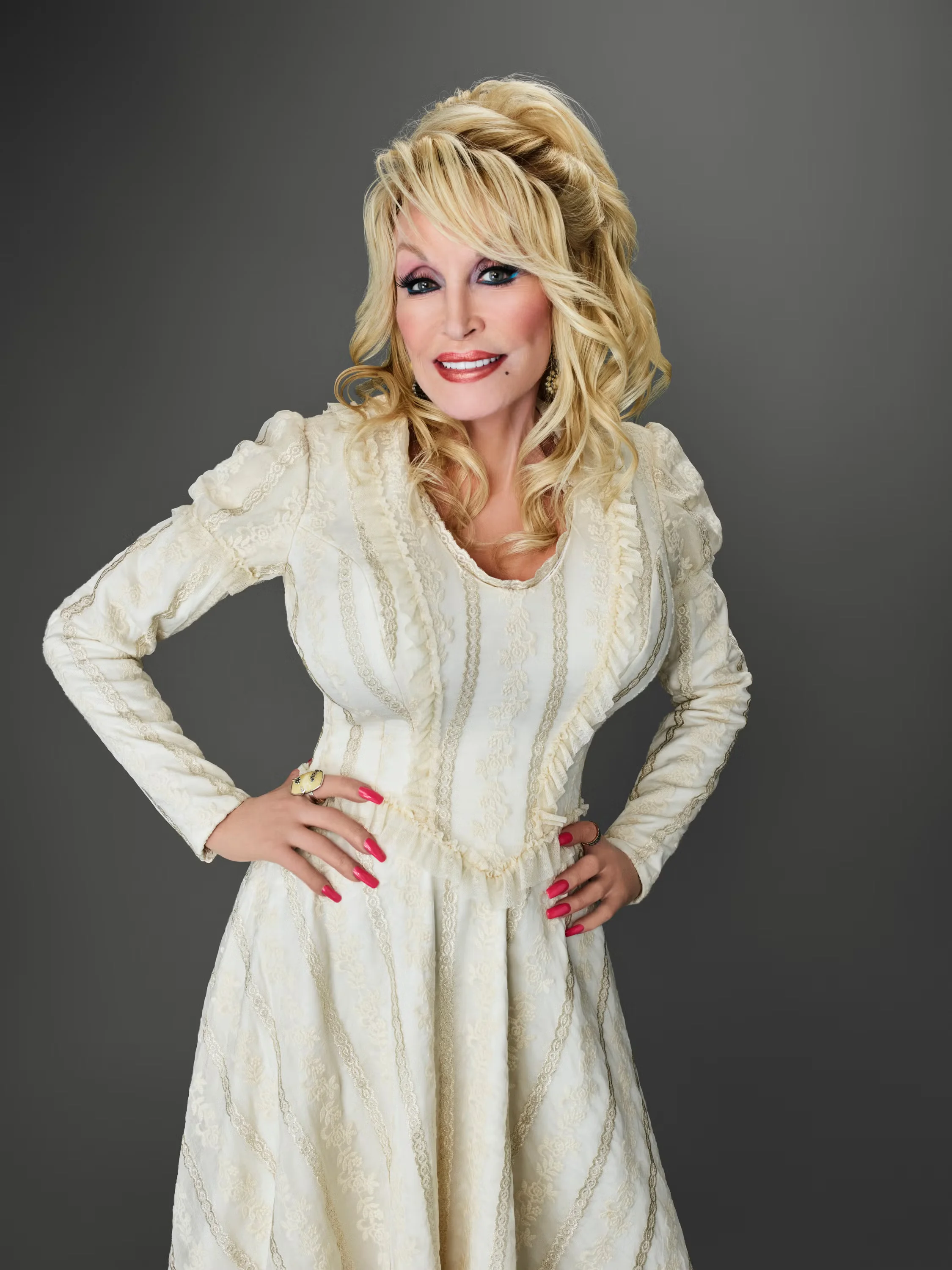
In her later years, Parton kept expanding her empire. In 2024 she launched Dolly Beauty, a cosmetics brand, along with Dolly Wines. She also became one of the world's most famous philanthropists. In 1996 she founded the Dollywood Foundation and created Dolly's Imagination Library, a literacy program that mails more than 10 million free books to children every year. After wildfires devastated Gatlinburg, Tennessee, in 2016, she helped raise $12.5 million to support victims and help rebuild the area.
The Final Numbers: How Much Was Dolly Parton Worth?
At the time of her death in August 2026, Dolly Parton's net worth was estimated at approximately $650 million, according to Celebrity Net Worth, Parade, and Biography.com. Forbes, which ranked her among America's Richest Self-Made Women, placed the figure closer to $450 million as of mid-2025, with the bulk of that fortune tied to her stake in Dollywood. The difference reflects how estimates account for her music catalog, songwriting royalties, film earnings, and brand ventures.
In total, Parton's wealth came from four main streams: the publishing rights to her legendary song catalog, worth an estimated $150 million; her roughly 50 percent stake in Dollywood and the wider Dollywood Company, valued at about $165 million; decades of record and film earnings; and her ever-growing portfolio of business ventures and endorsements. Dolly Parton turned a childhood in a one-room cabin into one of the largest fortunes in country music history — proof that talent, smart ownership, and an unshakeable work ethic can build a lasting legacy.