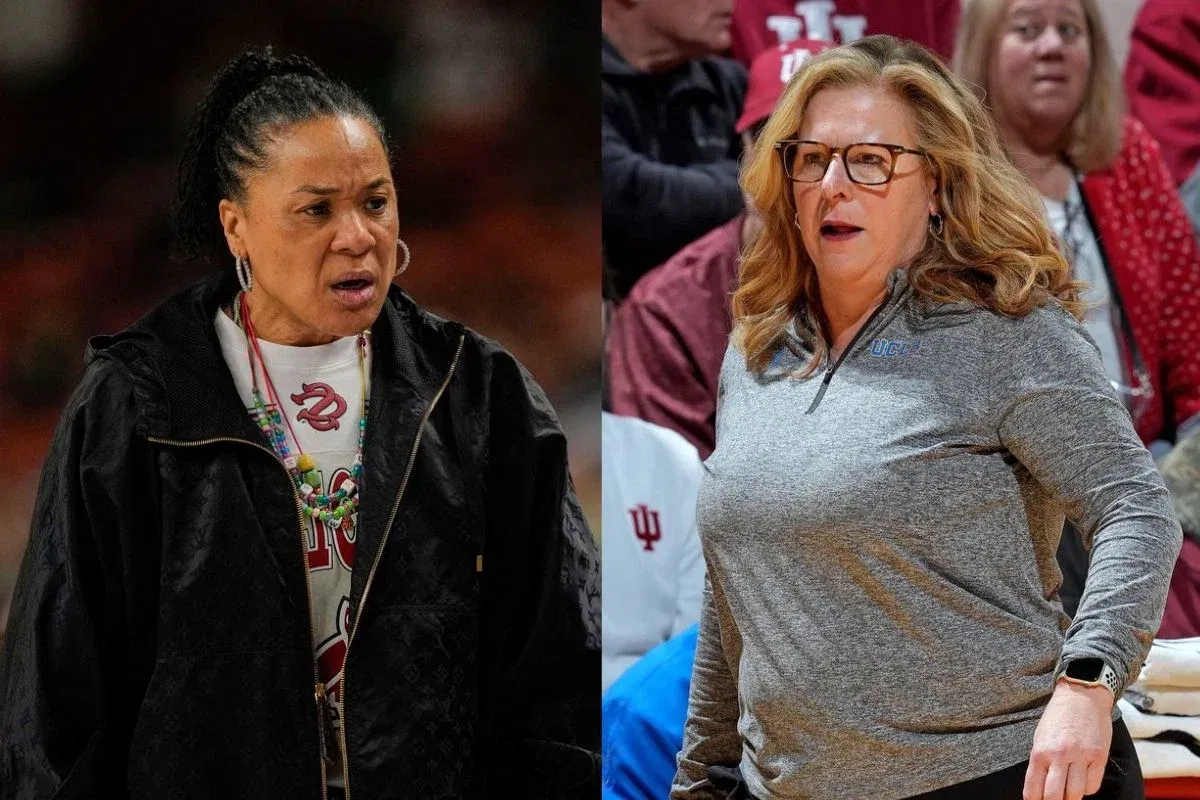
Name: Cori Close
Age: 54
Birthday: July 29, 1971
Born: Milpitas, California, USA
Net Worth: Approximately $8 million
Fun Fact: Close was the first player in UC Santa Barbara history to record more than 1,000 points and 500 assists for a career.
When Cori Close cut down the nets in Phoenix after UCLA's historic 2026 NCAA women's basketball championship victory, she wasn't just celebrating a career-defining moment—she was also cementing her financial legacy as one of the most successful coaches in the sport. The journey from Milpitas, California to the pinnacle of college basketball has been both professionally rewarding and financially transformative for the UCLA head coach, whose net worth now reflects her status as a championship architect.
Close's financial story is inseparable from her basketball journey, which began long before she ever stepped onto the sidelines as a head coach. After a standout playing career at UC Santa Barbara where she made program history, Close transitioned to coaching, spending 18 seasons as an assistant before getting her big break at UCLA in 2011. Over the next 15 years, she would transform the Bruins from a respectable program into a national powerhouse, culminating in that championship moment that changed everything—including her financial standing.
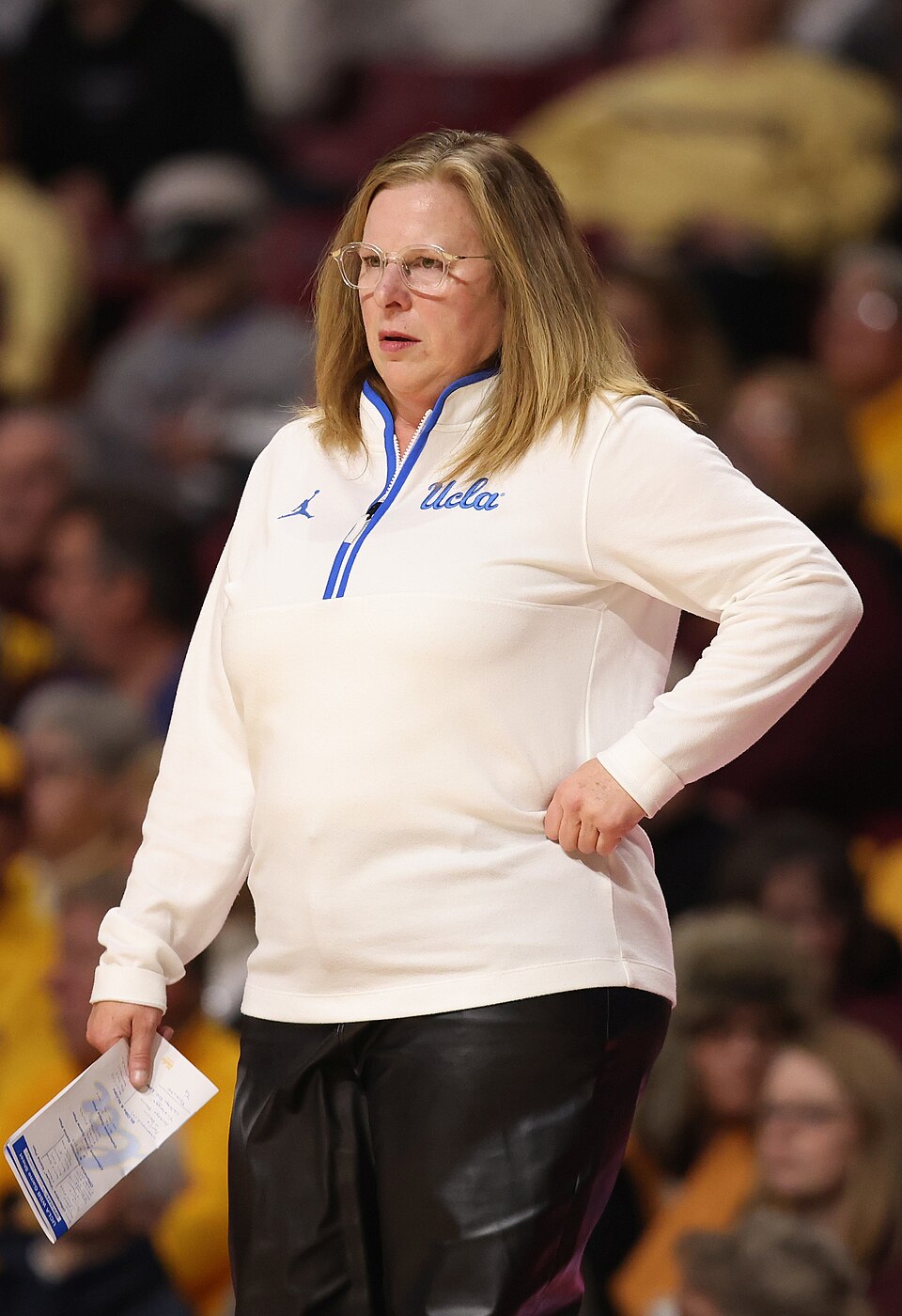
The Financial Ascent of a Coaching Prodigy
Cori Close's earnings trajectory mirrors her career progression in almost perfect synchronization. When she first took over at UCLA in 2011, she inherited a program with potential but without the championship expectations that would later define her tenure. Her initial contract reflected this reality, but as the Bruins began their ascent, so too did her compensation.
According to USA Today's coaching salary database, Close earned $774,722 for the 2023-24 contract season, with $773,222 coming from school pay and $1,500 from other compensation sources. This placed her among the top 25 highest-paid women's college basketball coaches at the time. The contract also included a maximum bonus potential of $170,000 and a school buyout of $750,000 as of April 2024, showing how UCLA valued her leadership enough to protect their investment.
But the championship run changed everything. As EssentiallySports reports, Close signed a new contract in May 2025 that boosted her annual salary to approximately $877,500. This 13% increase came as UCLA recognized her value in building a championship contender—a value that would be fully realized just one year later with the national title. The timing proved prescient, as her market value soared following the championship victory.
Breaking Down the Income Streams
Like most elite college coaches, Close's wealth accumulation comes from multiple streams beyond her base salary. While NCAA rules restrict certain types of compensation for college coaches compared to their professional counterparts, successful programs like UCLA have found ways to ensure their coaches are competitively compensated.
Her contract includes performance bonuses that can significantly boost her annual earnings. The previously mentioned $170,000 maximum bonus potential covers achievements like conference championships, NCAA tournament appearances, and academic milestones for her players. With UCLA's championship victory, Close likely earned the maximum bonus available, adding substantially to her 2026 income.
Additionally, retention bonuses have been part of her compensation package. USA Today's database notes that her 2023-24 compensation included a $100,000 retention payment if she remained UCLA's head coach through June 30, 2024. Such provisions are common for coaches who have built valuable programs, serving as both reward for loyalty and protection against poaching from other schools.
The Championship Premium
The 2026 national championship created what financial analysts call a "championship premium" for Close's earning potential. As Heavy.com explains, "A coach who can recruit at a high level, build around stars like Lauren Betts and take the Bruins to the sport's biggest stage is not easy to replace." This reality gives Close tremendous leverage in any future contract negotiations.
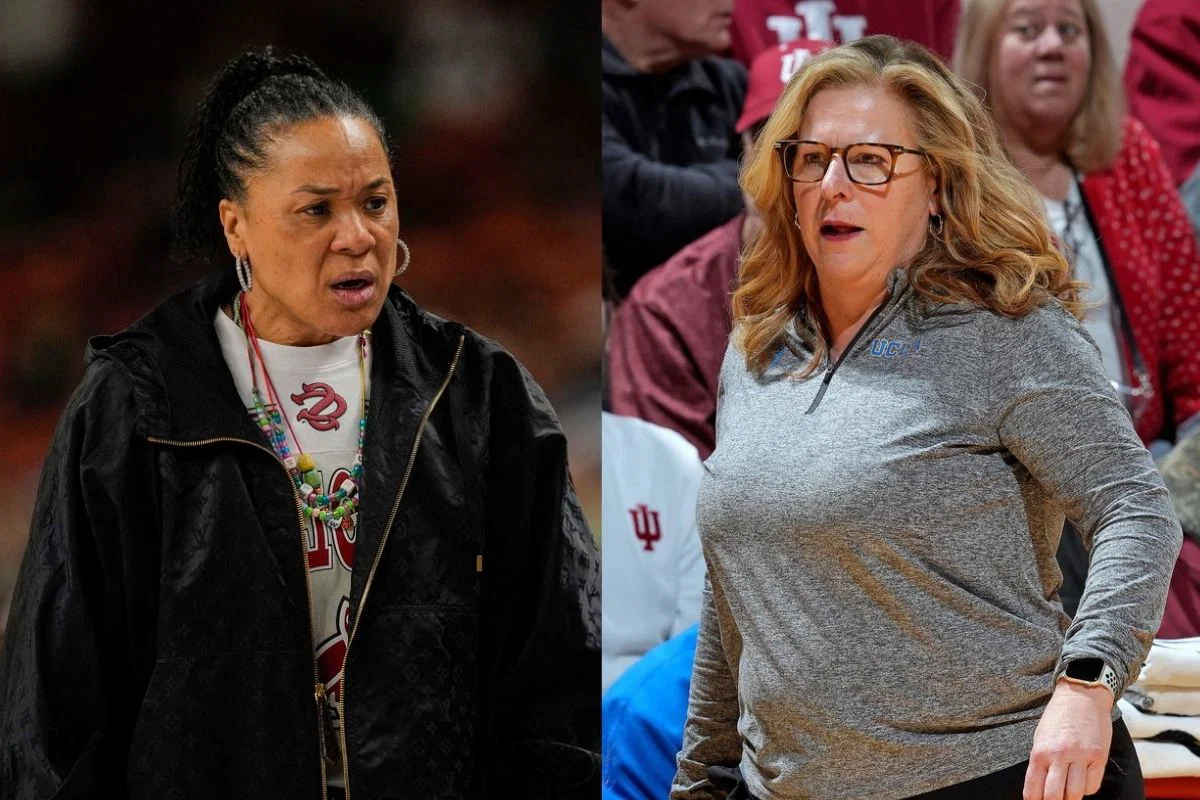
Historical precedents in college sports show that championship victories typically trigger contract extensions with significant raises. For context, when South Carolina's Dawn Staley won her third national championship, she secured a contract worth $4 million annually. While Close's salary hasn't reached those heights yet, her championship certainly positions her for continued financial growth.
The championship also enhances her value for speaking engagements, basketball camps, and potential media opportunities. While these aren't primary income sources for most college coaches, they can add meaningful supplementary income for someone of Close's profile. Her thoughtful, articulate media presence and reputation as a program-builder make her an attractive speaker for basketball clinics, leadership seminars, and educational events.
Building Wealth Through Real Estate and Investments
While the exact details of Close's personal investments aren't public, coaches at her level typically diversify their wealth through real estate and conservative investment portfolios. The Southern California real estate market, where Close has lived for over a decade, has seen substantial appreciation, potentially contributing to her net worth growth.
Financial advisors who work with college coaches note that those in stable, high-profile positions like Close's often invest in rental properties, retirement accounts, and education funds for their children. Given her career trajectory and the security of her UCLA position, it's likely she's built a diversified portfolio that extends beyond her coaching salary.
Unlike some of her peers who played professionally, Close didn't have a WNBA salary to build initial wealth. This makes her financial success entirely coaching-driven—a testament to her career choices and program-building skills. Her wealth accumulation story is particularly noteworthy because it demonstrates how successful coaching careers can generate substantial wealth even without professional playing careers as a foundation.
Comparative Context in Women's College Basketball
Understanding Close's net worth requires looking at the broader financial landscape of women's college basketball coaching. As EssentiallySports reports, Dawn Staley's net worth is estimated at $12 million with a $4 million annual salary, while Geno Auriemma's career earnings at UConn exceed $30 million. In this context, Close's estimated $8 million net worth places her among the sport's financial elite, though not at the very top of the earning pyramid.
What's remarkable about Close's financial position is how quickly she's reached this level. Unlike Staley (a Hall of Fame player) or Auriemma (with decades of dominance), Close built her wealth primarily through 15 years as a head coach at a single program. This speaks to both UCLA's investment in women's basketball and Close's ability to maximize the program's potential.
The financial growth of women's college basketball has directly benefited coaches like Close. As media rights deals increase and tournament payouts grow, programs have more resources to invest in coaching salaries. Close's career has coincided with this golden age of financial growth in women's sports, and she's positioned herself perfectly to benefit from these trends.
The Future Financial Trajectory
At 54, Close is in what financial planners call the "peak earning years" for coaches. With a championship now on her resume and a program she built from the ground up, her future earning potential remains strong. Several factors will influence her financial trajectory in coming years:
First, contract negotiations following the championship will likely yield another significant raise. Historical patterns suggest championship coaches typically receive 20-30% increases in their next contracts. Given UCLA's commitment to maintaining a championship program, the school has strong incentives to keep Close competitively compensated.
Second, the changing landscape of college athletics could create new revenue opportunities. As name, image, and likeness (NIL) rules evolve and potentially allow for more coach involvement in commercial opportunities, coaches like Close with strong personal brands could see additional income streams develop.
Third, her legacy at UCLA positions her for lucrative opportunities beyond coaching whenever she decides to transition. Successful coaches often move into broadcasting, athletic administration, or motivational speaking—all fields where championship credentials command premium compensation.
The Bottom Line on Cori Close's Net Worth
So what is Cori Close's net worth? Based on available financial records and industry analysis, her wealth is estimated to be approximately $8 million. This represents the accumulation of 15 years as a head coach at a premier program, smart financial management, and the recent championship premium that comes with winning at the highest level.
Her wealth is almost entirely coaching-derived, built through steady salary growth, performance bonuses, and the appreciation of assets acquired during her successful career. Unlike some of her peers who supplemented coaching income with professional playing careers or extensive business ventures, Close's financial story is one of pure coaching success—a testament to her ability to build value through program development and player development.
As women's college basketball continues to grow financially, and as Close's legacy at UCLA becomes further cemented, her net worth is likely to continue its upward trajectory. But beyond the numbers, her financial success represents something more meaningful: proof that building a championship culture and developing young athletes can be both professionally fulfilling and financially rewarding. In an era where women's sports are finally receiving the financial recognition they deserve, Cori Close stands as both a beneficiary and a builder of this new reality—a coach whose net worth reflects her immense value to the sport she's helped elevate.