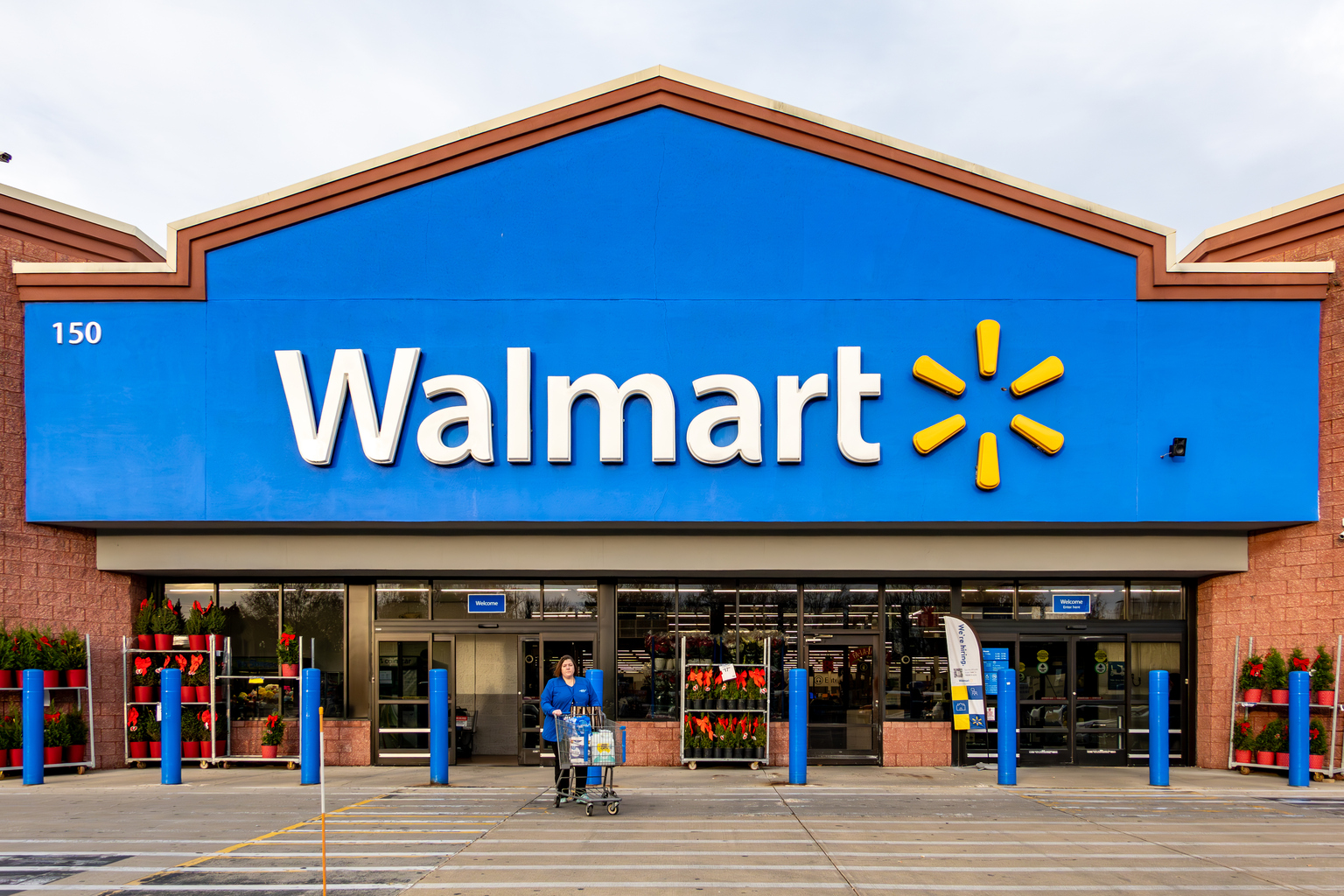
Walmart delivered a mixed performance in its fourth-quarter 2026 earnings report, beating analyst expectations on both revenue and earnings per share but disappointing investors with a cautious outlook for the coming fiscal year. The retail giant's results, released early Thursday, showed resilience in consumer spending during the holiday season but revealed management's concerns about the economic landscape ahead. Shares of Walmart (WMT) fell approximately 3% in pre-market trading following the announcement, highlighting the market's negative reaction to what analysts described as "conservative" guidance.
How Walmart's Q4 Performance Surprised Wall Street
Walmart's fourth-quarter results demonstrated the company's ongoing strength in both physical retail and digital channels. The company reported adjusted earnings per share of $0.74, surpassing the consensus estimate of $0.73 and representing a 12.1% increase from the same period last year. Total revenue reached $190.7 billion, a 5.6% year-over-year increase that slightly exceeded analyst projections of approximately $190.1 billion.
The standout performer was Walmart's e-commerce division, which saw global sales surge 24% during the quarter. According to the company's earnings presentation, online sales now represent about 23% of total net sales, up from approximately 19% a year earlier. This acceleration in digital growth was fueled by Walmart's expanding fulfillment network and increased adoption of its delivery and pickup services among customers across income demographics.
From Record Holiday Sales to Cautious Guidance: The Walmart Timeline
The path to Walmart's current position reveals a company navigating a complex retail environment. Just three weeks before the earnings release, Walmart had achieved a significant milestone by reaching a $1 trillion market capitalization for the first time in its history, joining an elite group of companies dominated by technology giants. This achievement reflected investor optimism about the company's ability to maintain growth amid economic uncertainty.
However, the timeline shifted with Thursday's earnings call. At 6:30 AM ET, Walmart released its fourth-quarter results, showing better-than-expected performance. By 7:00 AM ET, during the earnings conference call, new CEO John Furner outlined the company's cautious approach to fiscal 2027, citing "fluid" economic conditions and changing consumer behavior patterns. By 8:00 AM ET, pre-market trading showed Walmart shares down approximately 3%, wiping out nearly $30 billion in market value.
Why Walmart's Conservative Outlook Matters for Investors
The market's negative reaction to Walmart's guidance stems from what analysts perceive as a significant gap between the company's projections and Wall Street's expectations. For fiscal year 2027, Walmart expects consolidated net sales to increase between 3.5% and 4.5%, compared to analyst expectations of approximately 5% growth. More notably, the company forecast adjusted earnings per share of $2.75 to $2.85, below the consensus estimate of $2.97.
"This guidance reflects our view that while the consumer remains resilient, there are increasing signs of pressure on discretionary spending," Furner explained during the earnings call. "We believe it's prudent to start the year with a cautious outlook given the macroeconomic uncertainties, including inflationary pressures on operating costs and potential shifts in consumer behavior."
Several factors contribute to Walmart's conservative stance. The company faces rising labor costs, increased investment in technology and automation, and potential margin pressure from its continued price leadership strategy. Additionally, Walmart's advertising business—which grew 46% in 2025 to reach nearly $6.4 billion—faces increasing competition from other retail media networks, potentially limiting future growth rates.
Where Things Stand Now: Walmart's Current Market Position
Despite the guidance concerns, Walmart's fundamental business metrics remain strong. The company's comparable store sales in the U.S. increased 4.6% during the fourth quarter, with particular strength in grocery and health & wellness categories. Walmart continues to gain market share across income segments, including higher-income households earning over $100,000 annually, who now represent a growing portion of the company's customer base.
Financially, Walmart generated $14.9 billion in free cash flow during fiscal 2026 and returned $15.8 billion to shareholders through dividends and share repurchases. The company's board also authorized a new $30 billion share repurchase program, signaling confidence in long-term value creation. Walmart's dividend streak now stands at 53 consecutive years of increases, placing it among an elite group of dividend aristocrats.
What Happens Next: The Road Ahead for Walmart Stock
The immediate future for Walmart shares will likely depend on how the company executes against its conservative guidance and whether economic conditions evolve more favorably than anticipated. Several catalysts could influence the stock's trajectory in coming quarters:
- First-quarter 2027 results (due in May 2026) will provide the first indication of whether Walmart's cautious outlook was appropriately calibrated or excessively conservative.
- Consumer spending patterns through the spring and summer months will reveal whether discretionary spending rebounds or continues to face pressure.
- Inflation trends and their impact on both Walmart's costs and its customers' purchasing power will be closely watched by investors.
- Market share gains versus competitors like Target, Amazon, and traditional grocery chains will demonstrate Walmart's competitive positioning.
Most analysts maintain a cautiously optimistic view of Walmart's long-term prospects, citing the company's scale, operational efficiency, and growing digital capabilities. However, near-term price targets may be adjusted downward to reflect the reduced earnings guidance.
The Bottom Line: Key Takeaways from Walmart's Q4 Report
Walmart's fourth-quarter earnings report presents investors with a classic "good news, bad news" scenario. The company demonstrated operational excellence during the crucial holiday season, beating expectations and showing strong growth in e-commerce and higher-margin businesses like advertising. However, management's cautious outlook for fiscal 2027 reflects legitimate concerns about economic uncertainty and potential margin pressure.
For long-term investors, Walmart's fundamental strengths—including its massive scale, growing digital ecosystem, and consistent dividend payments—remain intact. The company's conservative guidance may actually create a more achievable bar for future earnings beats. However, near-term volatility is likely as the market digests the implications of slower projected growth.
As John Furner begins his tenure as CEO, he faces the challenge of balancing prudent financial management with investor expectations for growth. How successfully he navigates this balance will determine whether Walmart's stock recovers from Thursday's decline or faces continued pressure in the months ahead.