
The stock market in 2025 delivered one of the most defiant rallies in modern history. Despite tariff turmoil, geopolitical flashpoints, and stubborn inflation concerns, the S&P 500 surged approximately 17% through the year, closing near record highs and marking its third straight year of double-digit gains. For investors, the big question is no longer whether the rally is real — it's whether there's still money to be made, and if so, where.
Wall Street ended 2025 on a high note, with the S&P 500 flirting with all-time highs and the tech-heavy Nasdaq posting particularly strong gains. According to the BBC, strong earnings growth in corporate America was a key driver of the rally since the tariff-driven whiplash in the spring. The Guardian reported that US markets were buoyed by a sustained rise in tech stocks as investors largely shrugged off concerns over trade policy.
How the 2025 Rally Defied the Skeptics
The year started with widespread pessimism. Tariffs, geopolitical tension, and fears of a slowing economy had many analysts calling for a correction. Instead, the market did what it has done so often in recent years: it climbed a wall of worry. By June, the S&P 500 and Nasdaq had already hit record highs, as CNN noted, marking the culmination of a remarkable recovery on Wall Street following the spring's tariff-driven sell-off.
What powered the rally? Artificial intelligence continued to be the dominant theme. Companies directly tied to AI infrastructure — chipmakers, cloud providers, and software firms — saw their valuations soar. In October, a single Apple-led rally pushed the Dow Jones Industrial Average 500 points higher in one day, CNBC reported, as investors looked ahead to a possible end to the US government shutdown standoff and anticipated further rate cuts.
Timeline: The Rally That Wouldn't Quit
April 2025: Markets sell off sharply on tariff escalation fears, with the S&P 500 experiencing its worst three-day drop since COVID. But the dip is bought aggressively, and stocks rocket back.
June 2025: The S&P 500 and Nasdaq hit all-time highs for the first time since February, completing a remarkable recovery. Morgan Stanley warns investors to watch four key risks: geopolitical conflict, trade uncertainty, tax policy, and stretched valuations.
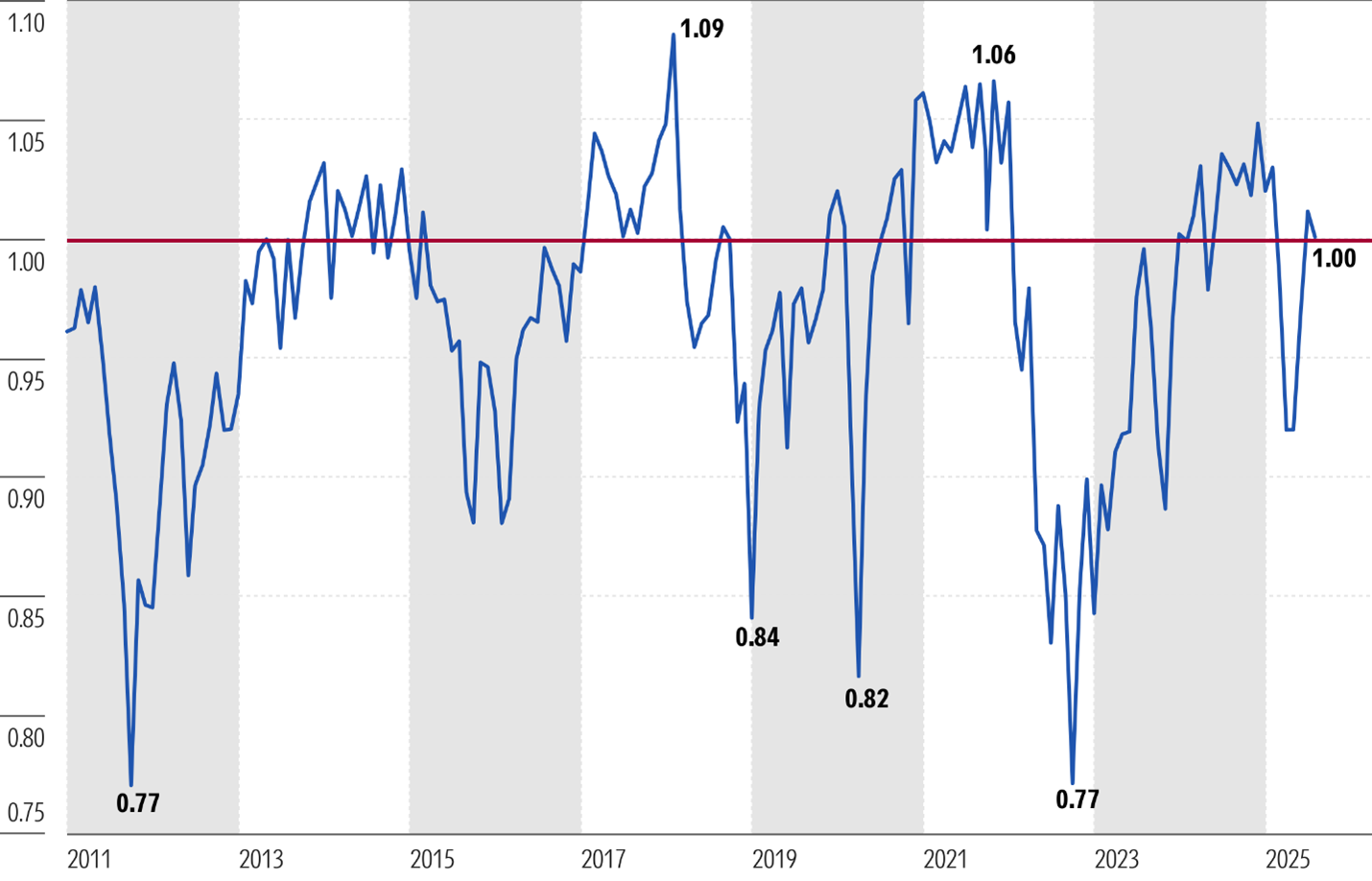
August 2025: Morningstar data shows the US equity market trading exactly at fair value — no margin of safety remains. Concentration in just five mega-cap stocks (Nvidia, Microsoft, Meta, TSMC, JPMorgan) represents $2.2 trillion in market cap increases.
October 2025: CNN reports the rally has defied expectations, shrugging off economic uncertainty and global trade tensions. The Dow surges 500 points on Apple's strength. Meanwhile, the Wall Street Journal notes growing concerns that the rally is on borrowed time, with meme-stock speculation heating up.
December 2025: The S&P ends the year up 17%, closing near record highs. The Guardian reports Wall Street finished 2025 buoyed by tech valuations and hopes of lower interest rates. The S&P 500 has now seen three consecutive years of double-digit gains.
Why This Rally Is Different: Concentration Risks and Hidden Opportunities
The 2025 rally has a distinct character that savvy investors need to understand. According to Morningstar's detailed analysis, valuation increases have been dramatically concentrated in just a handful of stocks. Nvidia alone saw its fair value increase by over 20% — equivalent to adding approximately $900 billion in market capitalization, roughly the entire market cap of Tesla. Microsoft's fair value rose by almost 20%, adding another $800 billion.
"In total, the valuation increases for just these five companies equate to $2.2 trillion of market capitalization," David Sekera, Morningstar's Chief US Market Strategist, wrote in August 2025. "To put that into context, that's equivalent to 22 companies with $100 billion market capitalization each."
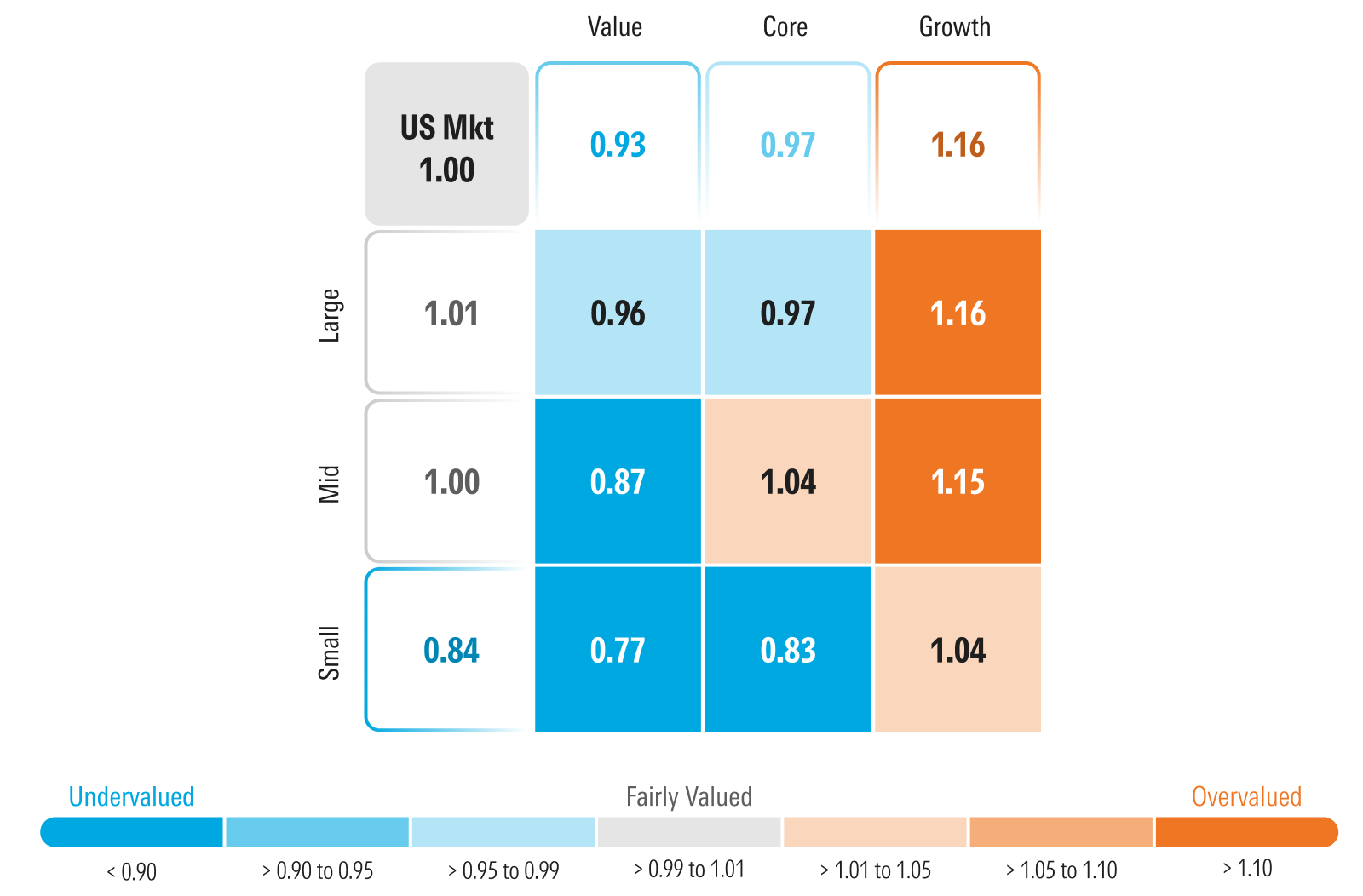
This concentration creates both risk and opportunity. Growth stocks now trade at a 16% premium to fair value, making them expensive by historical standards. Value stocks, by contrast, trade at a 7% discount. Small-cap stocks are even more attractively valued at a 16% discount — a significant opportunity for patient investors.
JPMorgan's market team noted in November that 2025 has seen gains across nearly all major asset classes, with gold leading the way fueled by geopolitical uncertainty. The broadening of market participation beyond just tech stocks is a healthy sign for the sustainability of the bull market.
Where Smart Money Is Flowing Now
With the overall market at fair value, sector selection becomes critical. Morningstar's analysis points to several compelling opportunities:
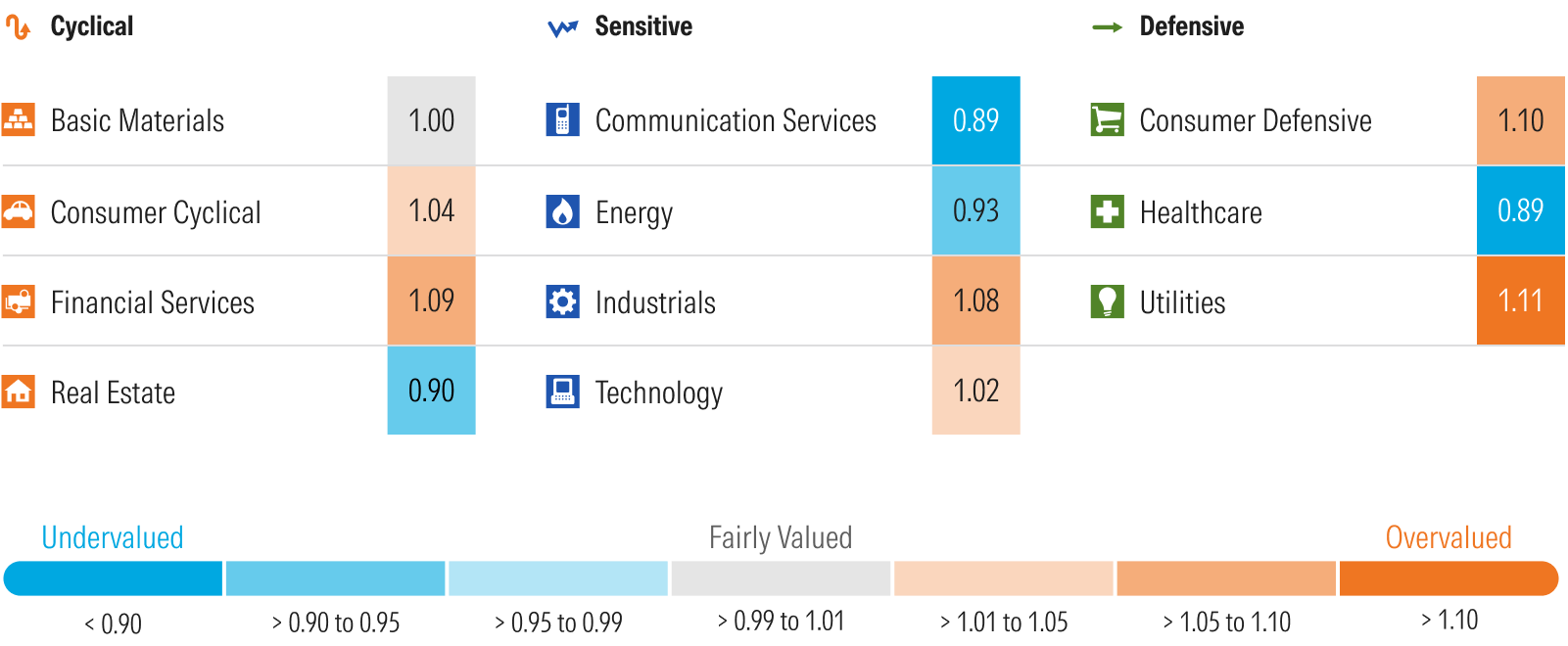
Healthcare is the most undervalued sector, having fallen out of favor due to regulatory uncertainty and policy concerns around drug pricing. Yet the sector's fundamentals remain strong, and many quality healthcare companies now trade at compelling discounts.
Small-cap value stocks offer the greatest absolute discount at 16% below fair value. While large-cap growth has dominated the headlines, small caps could be the next leg of the rally if the Fed follows through on expected rate cuts.
Communications is the best-performing sector of 2025 yet still remains tied for the most undervalued. Meta Platforms and Alphabet have driven returns but still trade below Morningstar's fair value estimates.
Where Things Stand: The State of the Market Today
As of late 2025, the stock market continues to ride a wave of optimism, but the margin of safety has thinned considerably. With the S&P 500 trading at or slightly above fair value, investors are paying full price for future earnings. The bond market is sending mixed signals, with long-term interest rates remaining elevated despite expectations that the Federal Reserve will begin cutting rates.
The key risk factors to watch include: the trajectory of tariff negotiations with China, Canada, and Mexico; the pace of US economic growth, which is slowing sequentially; and inflation metrics, which Morningstar's Chief US Economist Preston Caldwell expects to pick up in the second half of 2025 due to tariff passthrough effects.
However, Caldwell also expects the Fed to begin easing monetary policy by cutting the federal-funds rate, potentially as early as September 2025. Lower rates historically provide a tailwind for equity valuations, particularly for growth stocks and small caps.
What Smart Investors Should Do Next
The consensus among market strategists is that 2026 may look different from 2025. With the easy gains already banked, the next phase of the market cycle will likely reward selectivity and patience. Morgan Stanley's advice to investors focuses on diversification and risk management, warning against chasing the momentum of the handful of megacap tech stocks that have dominated returns.
JPMorgan's year-end reflection noted that 2025's gains spanned nearly all asset classes, suggesting that wealth creation has been broad. For the year ahead, the key themes to watch include artificial intelligence monetization beyond the infrastructure buildout, the potential for a manufacturing renaissance driven by reshoring, and the evolution of monetary policy as inflation normalizes.
For investors looking to position their portfolios for 2026 and beyond, the data suggests a barbell approach: maintain exposure to high-quality AI and tech leaders while building positions in undervalued sectors like healthcare and small-cap value that have been left behind in the rally.
The Bottom Line: Key Points to Remember
- The S&P 500 gained 17% in 2025, its third straight year of double-digit returns
- Just five stocks — Nvidia, Microsoft, Meta, TSMC, and JPMorgan — accounted for $2.2 trillion in valuation increases
- The overall market is trading at fair value with no margin of safety for macro risks
- Healthcare and small-cap value offer the most attractive entry points for new money
- Rate cuts from the Fed could provide the next catalyst for a broader market rally
- Financial advisers recommend diversification over concentration as the cycle matures