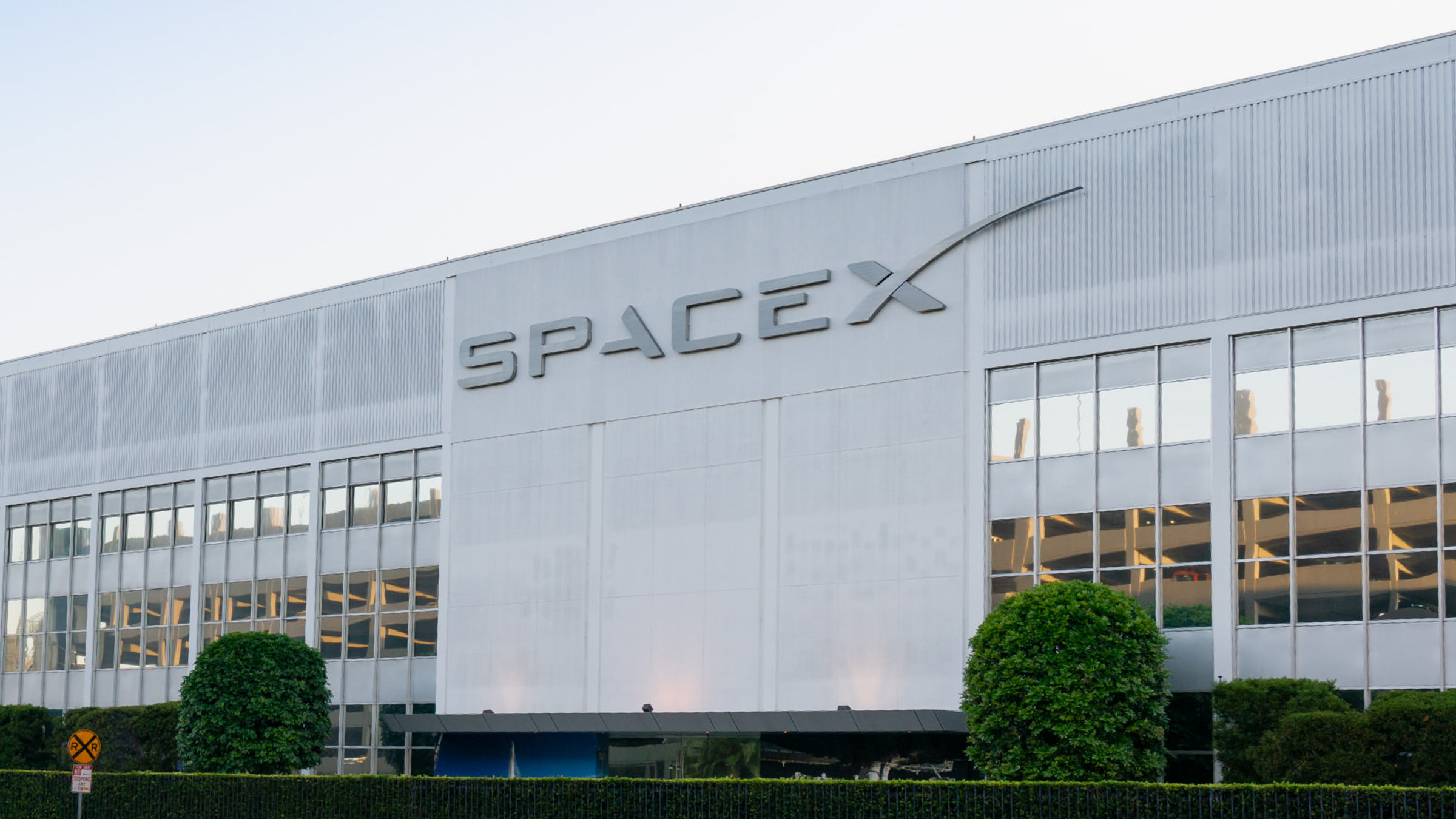
SpaceX is set to make history. Elon Musk's aerospace and satellite internet giant has fixed its IPO price at $135 per share, targeting a record-shattering $75 billion capital raise and a valuation of roughly $1.77 trillion. The company, trading under the ticker SPCX, is expected to debut on the Nasdaq on June 12, 2026 — marking the largest initial public offering in history and a generational liquidity event for early investors and employees.
After nearly two decades as the world's most valuable private company, SpaceX is finally opening its books to the public. The S-1 filing, published on May 20, revealed a business in aggressive growth mode: $18.67 billion in 2025 revenue (up 33% year-over-year), but also a net loss of $4.94 billion as the company pours capital into Starlink, Starship, and its recently acquired AI subsidiary, xAI.
How the SpaceX IPO Unfolded: Inside the Record-Breaking Debut
The journey from private giant to public company has been swift. SpaceX filed its S-1 registration statement with the SEC on May 20, appointing Goldman Sachs as the lead left underwriter alongside Morgan Stanley. By June 2, Reuters reported that the company had fixed its IPO at a flat $135 per share — an unusually firm price in an industry where ranges are the norm. The company is offering 555,555,555 shares of common stock.
The IPO roadshow kicked off the week of June 8, with SpaceX releasing a 17-minute investor presentation covering its products, financials, and long-term vision — including plans for business operations on the Moon. The fixed-price strategy, reportedly championed by Musk himself, upends traditional IPO pricing conventions and signals the company's confidence in demand.
Timeline: How SpaceX Went From Private Giant to Public Company
- May 20, 2026: SpaceX files Form S-1 with the SEC, revealing financials for the first time. Goldman Sachs named lead underwriter.
- June 2, 2026: Reuters exclusively reports SpaceX has set a fixed IPO price of $135 per share, targeting $75 billion.
- June 4, 2026: SpaceX launches its dedicated IPO investor website and opens its roadshow presentation.
- June 8, 2026: Official roadshow begins; SpaceX presents a 17-minute pitch to institutional investors.
- June 12, 2026 (expected): SPCX begins trading on the Nasdaq in what could be the largest trading day in IPO history.
The compressed timeline — just over three weeks from filing to listing — underscores the investor frenzy surrounding the offering. Secondary market prices on platforms like Hiive already trade at $142.07 per share, suggesting strong demand at the IPO price.
The Bigger Picture: What SpaceX's Financials Reveal About Its Future
The S-1 filing offers an unprecedented look under the hood. Starlink, SpaceX's satellite internet division, has emerged as the company's primary revenue engine, generating $11.39 billion in 2025 and seeing its subscriber base double. The space segment contributed $4.086 billion in revenue, while the AI segment — bolstered by the February 2026 acquisition of xAI — is still in heavy investment mode.
The AI business posted a $6.35 billion operating loss in 2025, pushing SpaceX into the red despite strong performance elsewhere. Overall, the company reported an accumulated deficit of $41.3 billion as of March 31, 2026. However, Morningstar notes that these losses are strategically framed as front-loaded investments. Adjusted EBITDA came in at $6.58 billion for 2025, indicating the core business is generating real cash flow before AI-related spending.
SpaceX also disclosed that it holds 18,712 bitcoin, valued at roughly $1.3–$1.5 billion, placing it among the largest corporate holders of the cryptocurrency globally. The company identified a "quantifiable" total addressable market of $28.5 trillion, which it calls "the largest actionable TAM in human history."
Where Things Stand Now: The Latest on SpaceX IPO Access
Retail investors can participate through five brokerage firms: Charles Schwab, E-Trade, Fidelity, Robinhood, and SoFi. Schwab and Fidelity have historically required a minimum account balance of $100,000 for IPO access, though some firms may have lowered thresholds for this marquee offering. Investors should check with their broker for specific eligibility requirements.
The IPO is expected to generate more exit value than all VC-backed IPOs of the last decade combined. Early backers including Founders Fund, DFJ, D1 Capital, and Fidelity are poised for enormous payouts, while Musk himself is expected to become the world's first trillionaire as SpaceX's valuation grows post-IPO.
What Happens Next: The Road Ahead for SPCX
SpaceX's ability to hold its ambitious valuation in public markets will be the key test. The company remains in heavy investment mode, and analysts will scrutinize whether Starlink's growth can eventually offset xAI's losses. On the horizon: further Starship test flights, expansion of Starlink's direct-to-cell service, and potential government contracts for deep-space missions.
The success of SpaceX's IPO could also open the floodgates for other highly anticipated tech listings, including OpenAI and Anthropic, both reportedly preparing for public debuts later this year.
Key Takeaways: Everything You Need to Know About the SpaceX IPO
- IPO Date: Expected June 12, 2026, on Nasdaq under ticker SPCX
- Price: $135 per share (fixed)
- Raise: $75 billion (555.6 million shares offered)
- Valuation: ~$1.75 trillion
- Lead Underwriter: Goldman Sachs
- 2025 Revenue: $18.67 billion (+33% YoY)
- 2025 Net Loss: $4.94 billion
- Primary Revenue Driver: Starlink ($11.39 billion)
- Retail Access: Charles Schwab, E-Trade, Fidelity, Robinhood, SoFi
Disclaimer: This article is for informational purposes only and does not constitute investment advice. Investing in IPOs carries significant risks. Always conduct your own research before making investment decisions.