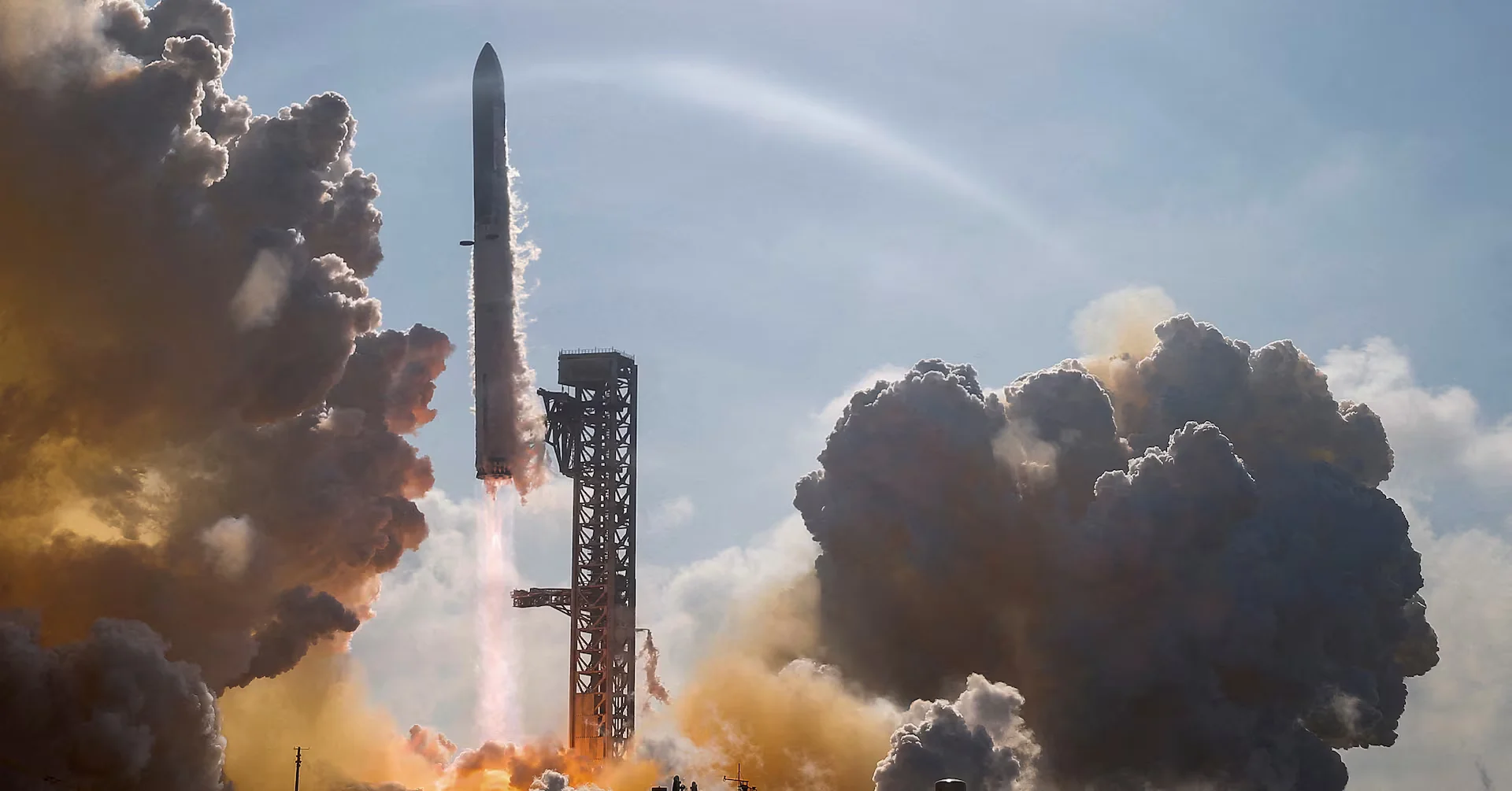
SpaceX is poised to make history. Elon Musk's rocket and satellite company has set its sights on the largest initial public offering the world has ever seen, targeting a $75 billion raise at $135 per share and a valuation north of $1.75 trillion. With trading expected to begin on the Nasdaq under the ticker SPCX as early as June 12, investors — both institutional and retail — are scrambling to understand what this IPO means and whether the price tag is justified.
In a surprise move ahead of its investor roadshow, SpaceX informed underwriters it plans to fix its IPO price at $135 per share, selling approximately 555.6 million shares. The decision to set a fixed price so early upends traditional Wall Street price-discovery mechanisms, signaling extraordinary demand. Goldman Sachs is serving as lead left underwriter, with Morgan Stanley also playing a key role.
How the Largest IPO in History Came Together
SpaceX filed its S-1 registration statement with the SEC on May 20, 2026, setting off a frenzied three-week sprint to the public markets. The company, which has been privately held since its founding in 2002, has long been one of the most anticipated IPOs on Wall Street. Behind the scenes, SpaceX's financials reveal a company at an inflection point. According to PitchBook and private-market data, Starlink generated the majority of SpaceX's estimated $15.6 billion in 2025 revenue. However, the company posted a $4.28 billion net loss in Q1 2026 alone, underscoring the enormous capital requirements of its Starship development program and satellite deployment.
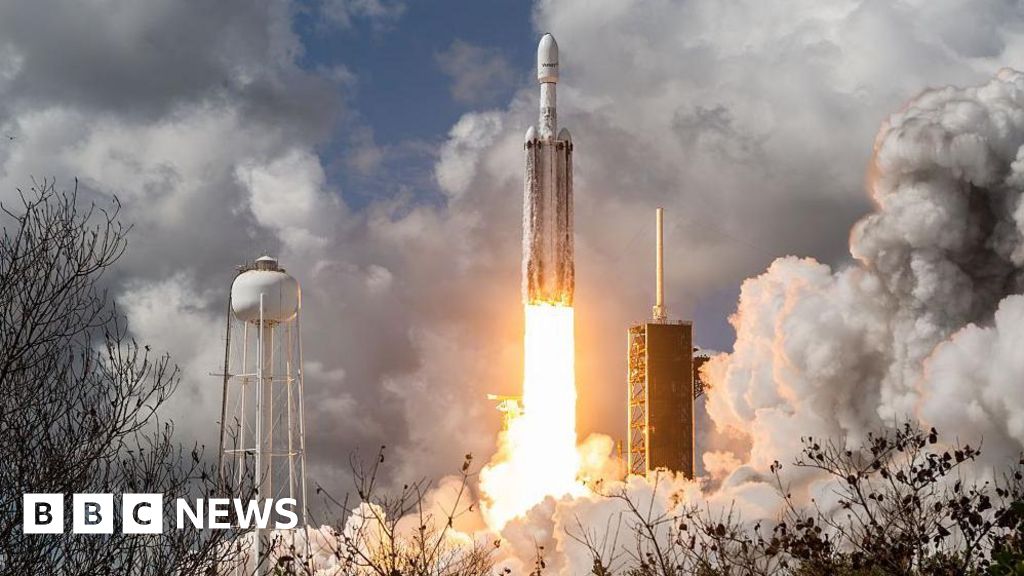
Major SpaceX investors include Valor Equity Partners CEO Antonio Gracias and Founders Fund's Luke Nosek, both of whom have held stakes since the company's early days. The IPO will see the company sell less than 5% of its total shares, according to reports from the Wall Street Journal, a structure designed to minimize dilution while still raising record-setting capital.
Timeline: SpaceX's Journey to the Public Markets
SpaceX's path to this moment has been anything but conventional. Here are the key milestones that led to what could be the defining financial event of 2026:
- May 20, 2026 — SpaceX files its S-1 with the SEC, officially kicking off the IPO process. The filing reveals plans to list on the Nasdaq under SPCX.
- Late May 2026 — Underwriters begin the investor roadshow. Private market pricing on Forge Global and Hiive surges to $142 per share as demand intensifies.
- June 3, 2026 — Reuters exclusively reports that SpaceX plans to set a fixed IPO price of $135 per share, targeting a $75 billion raise — the largest in history. Morningstar publishes a valuation arguing the company is worth less than half of the $1.75 trillion target.
- June 4, 2026 — Forbes and Yahoo Finance report that retail investors will have access to IPO shares through Charles Schwab, Fidelity, Robinhood, and SoFi Technologies.
- June 11, 2026 (expected) — IPO pricing night. Final allocation of shares to be confirmed.
- June 12, 2026 (expected) — First day of trading on the Nasdaq under ticker SPCX.
Evaluating the $1.75 Trillion Price Tag: What Investors Should Know
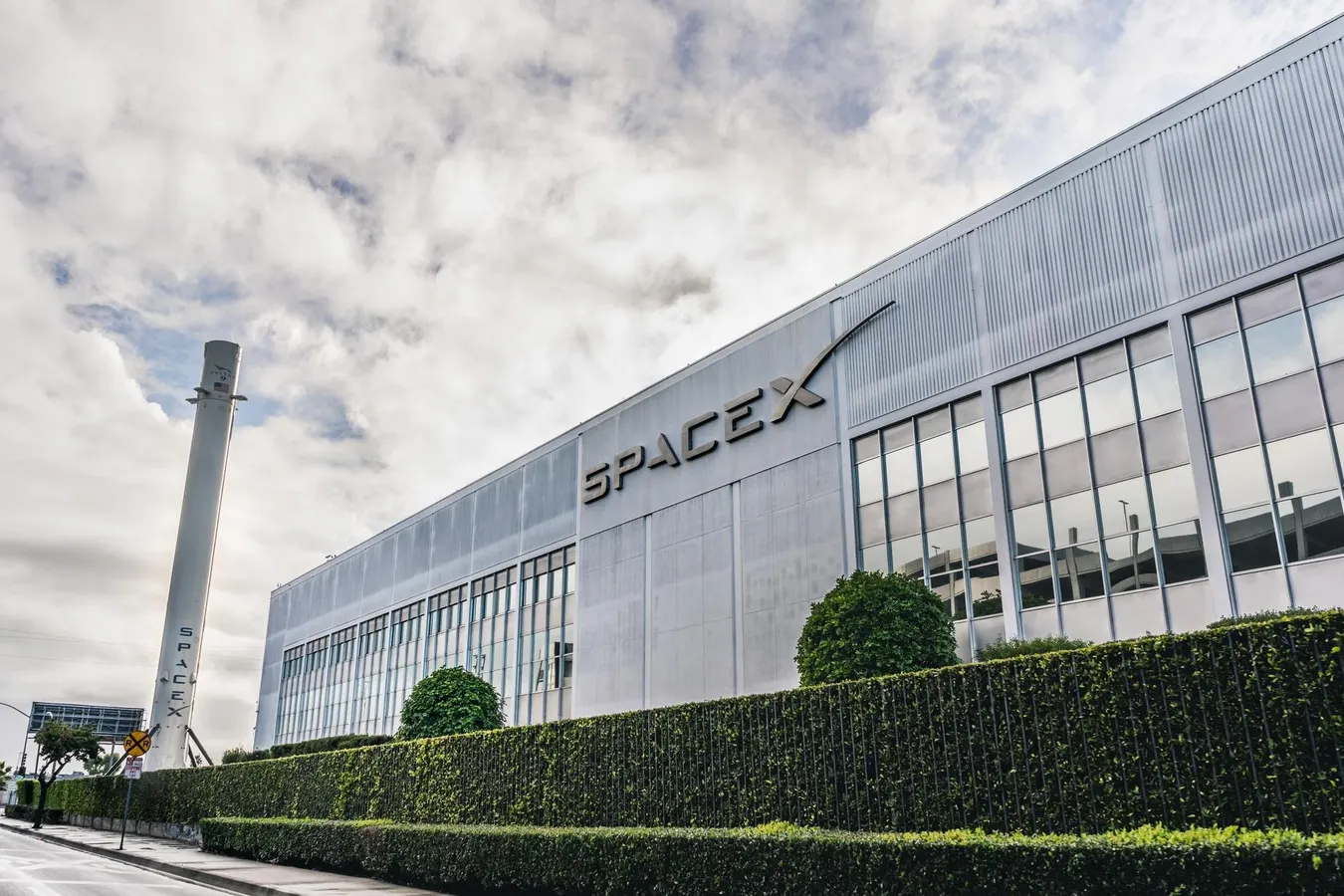
The central question hanging over the SpaceX IPO is whether the $1.75 trillion valuation makes sense. At that price, SpaceX would trade at roughly 67 times trailing sales — more than three times Nvidia's valuation multiple based on its past fiscal year, as Morningstar analysts pointed out in a June 3 note. Morningstar's fair value estimate for SpaceX came in at less than half of the IPO target, with analysts noting the company has an "economic moat" rating of "indeterminate" due to uncertainty around its various business lines.
On the bull side, proponents point to Starlink's recurring subscription revenue model, which generated the bulk of 2025's $15.6 billion in revenue. Starlink now has over 4 million subscribers globally, and the constellation continues to expand. SpaceX's launch business remains the dominant player globally, with the Falcon 9 and Falcon Heavy rockets capturing over 60% of the commercial launch market. Starship, while still in development, represents a potential step-change in the cost of access to space that could open entirely new markets. Analysts at firms like Zacks have noted that 2026 revenue consensus estimates range from $22 billion to $24 billion, which would imply a forward price-to-sales ratio of roughly 73 to 80 — still extremely rich by any historical measure.
Yet the risks are equally substantial. The company lost $4.28 billion in Q1 2026 alone. Regulatory risks — including changes in space policy, spectrum allocation for Starlink, and export controls — could materially affect future performance. The dependence on Elon Musk's leadership is another concentration risk that concerns some institutional investors.
Where Things Stand Now: Current Status and Retail Access
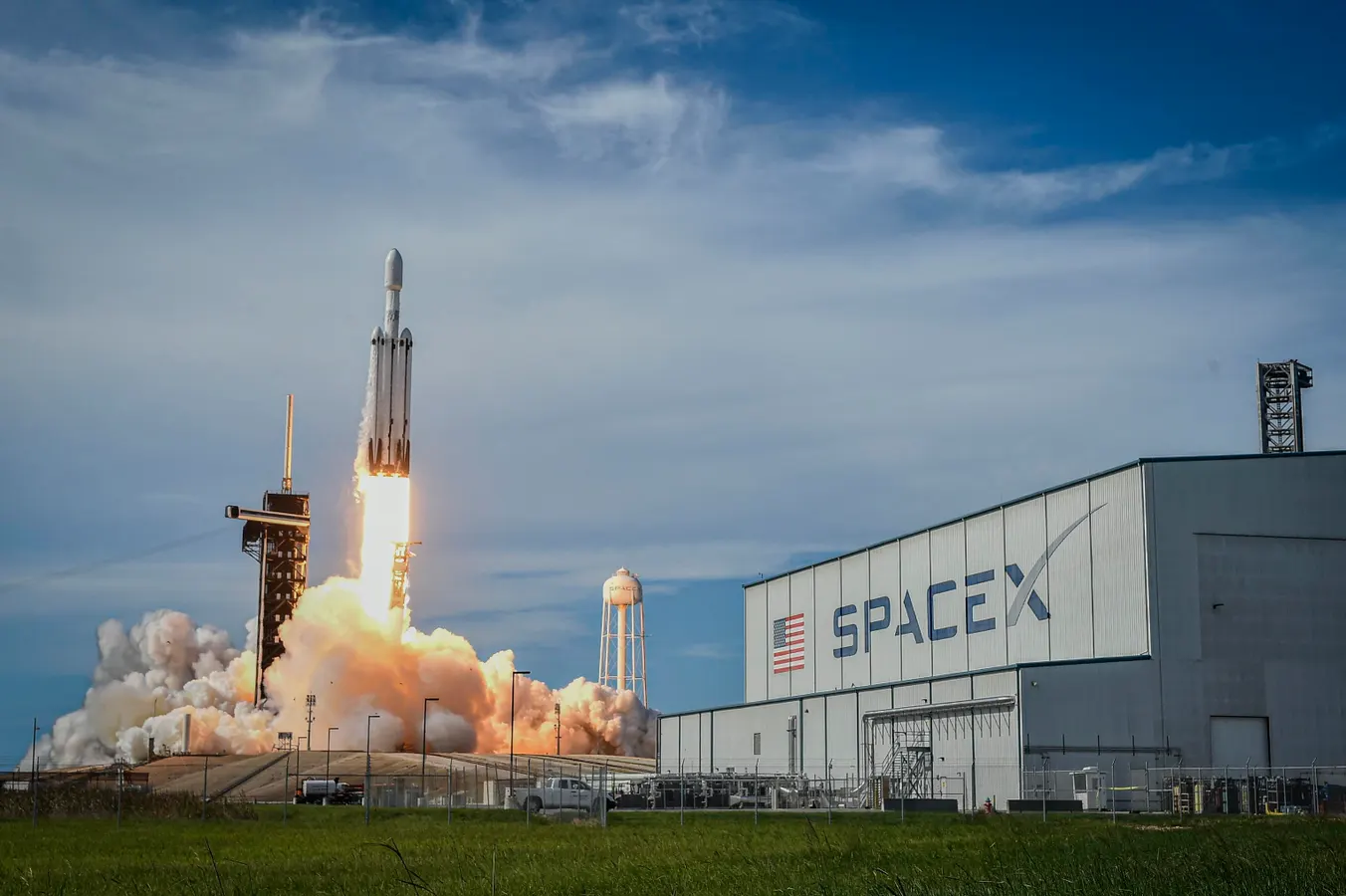
As of this week, the IPO is in its final preparation phase. The underwriters are finalizing the order book, and indications of interest are being collected from institutional investors. For retail investors, the path to ownership has been made surprisingly accessible. In an unusual move for a mega-cap IPO, SpaceX has allocated a portion of shares specifically for retail investors through major brokerage platforms. Forbes confirmed that Charles Schwab, Fidelity, Robinhood, and SoFi Technologies will all offer their clients access to SPCX shares at the IPO price of $135.
On the private secondary markets, existing SpaceX shares are trading at a premium. Hiive, a pre-IPO marketplace, lists SpaceX at approximately $142.07 per share, while the Nasdaq Private Market estimates a price of $122.65 as of late May. The Forge Private Market Price sits at roughly $604 per share on a split-adjusted basis, reflecting a valuation of around $1.03 trillion. These premiums suggest strong demand from accredited investors who have been buying in the private markets ahead of the public listing.
What Happens Next: The Road Ahead for SPCX
The final IPO price will be confirmed after market close on June 11, with trading commencing on June 12. Given the enormous size of the raise — $75 billion from the sale of 555.6 million shares — some analysts expect the stock to trade actively as index funds and institutional investors build positions. However, the high valuation and lack of profitability could lead to significant volatility in the early days of trading.
Looking further ahead, SpaceX's long-term trajectory hinges on Starship's commercial success and Starlink's continued subscriber growth. If Starship achieves its promised cost reductions, it could fundamentally alter the economics of space access and unlock revenue streams that are difficult to model today. The company's xAI partnership also represents a wild card that Morningstar noted carries a wide range of potential outcomes.
Key Takeaways for Investors
- SpaceX targets a June 12 Nasdaq debut at $135 per share under ticker SPCX, aiming to raise a record $75 billion
- The $1.75 trillion valuation is roughly 67x trailing sales — more than 3x Nvidia's multiple — with Morningstar estimating fair value at less than half
- Retail investors can access IPO shares through Charles Schwab, Fidelity, Robinhood, and SoFi
- SpaceX posted a $4.28 billion net loss in Q1 2026 despite $15.6 billion in 2025 revenue driven largely by Starlink
- Regulatory risks, Musk concentration risk, and Starship execution risk remain key concerns for long-term investors