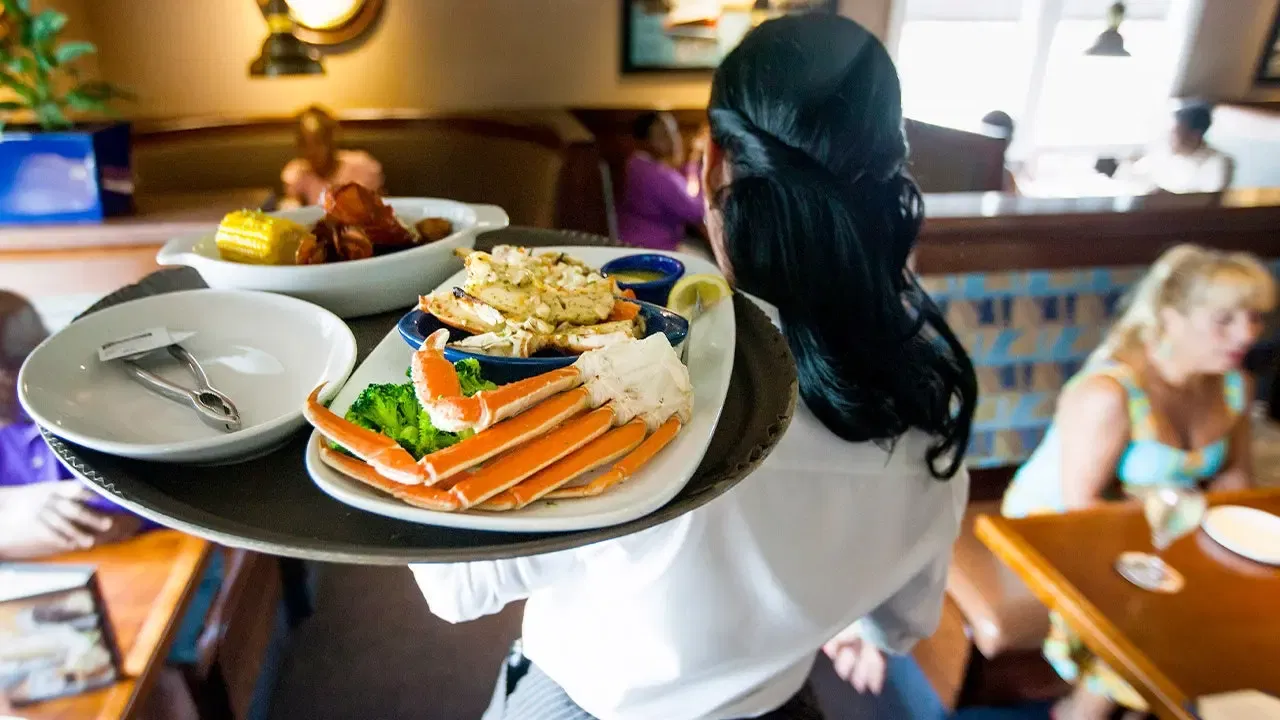
Two years after an all-you-can-eat shrimp promotion helped push it into Chapter 11 bankruptcy, Red Lobster is betting on the very same deal to fuel what its 37-year-old CEO calls "the greatest comeback in the history of the restaurant industry." On August 17, 2026, the seafood chain brought back Endless Shrimp for a limited time — this time rebuilt around what the company describes as "much stronger operational and financial discipline."
The move has become a closely watched case study for investors in corporate turnarounds. A promotion that once bled the company of millions of dollars is now being repositioned as the engine of a post-bankruptcy revival — and the early results, plus a sobering Bloomberg investigation, reveal just how thin the margin for error remains.
How a $20 Shrimp Deal Sank a Seafood Icon
Red Lobster's financial unraveling was years in the making, but one decision became its most visible symbol. In June 2023, under then-owner Thai Union Group, the chain made "Ultimate Endless Shrimp" a permanent menu item for $20 — a promotion historically reserved for limited autumn runs. Customers could order two shrimp dishes at a time and keep going until they were full.
The math quickly turned against the company. Red Lobster posted an $11 million operating loss in its third quarter of 2023, a shortfall widely attributed to the promotion's low margins and the chain's failure to anticipate how many guests would take full advantage. Management raised the price twice — first to $22, then to $25 — but the damage to both the brand and the balance sheet was already done.
By May 2024, Red Lobster had abruptly closed dozens of restaurants across 28 states and filed for Chapter 11 protection with roughly $1 billion in debt. Analysts and media reports consistently cited the permanent Endless Shrimp offer, alongside costly leases and supply-chain decisions made under Thai Union's control, as central causes of the collapse.
From Chapter 11 to Fortress: Inside the Turnaround
Red Lobster's rescue came from an unlikely group of Wall Street lenders. In September 2024, a court approved a bankruptcy plan that handed control to RL Investor Holdings, a consortium of TCW Private Credit, Blue Torch, and funds managed by Fortress Investment Group. The deal allowed Red Lobster to shed a significant portion of its debt and exit Chapter 11 that same month.
New leadership followed quickly. Damola Adamolekun — the chain's sixth CEO in three years — took the reins in August 2024 and immediately set an aggressive tone. His stated playbook includes closing underperforming locations, streamlining operations, modernizing technology with AI, and tapping into customers' nostalgia for the brand.
For Fortress, the wager is a classic distressed-asset bet: buy a well-known brand at a discount, cut costs, stabilize cash flow, and eventually position it for a sale or recapitalization. Red Lobster trimmed its footprint to roughly 514 locations by early 2025, a sharp reduction from its pre-bankruptcy size.
The Endless Shrimp Comeback: What Changed
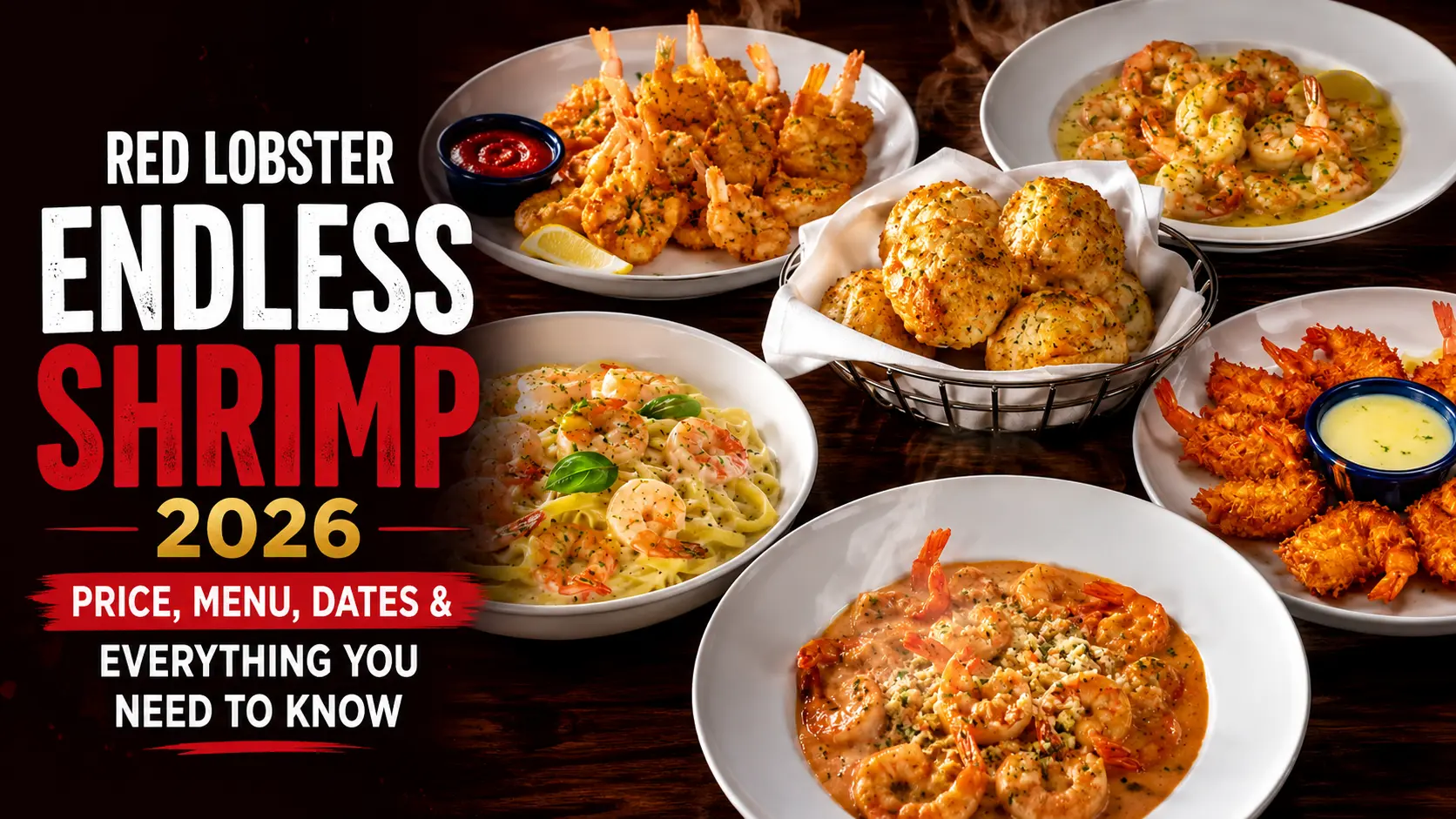
After removing Endless Shrimp from the menu in 2024, Red Lobster tested the waters with a spring 2026 return that, by the company's own account, "met and exceeded" expectations. That success set the stage for the August 17 relaunch, which lets guests "mix and match five flavors endlessly throughout the meal."
The lineup includes a new garlic bread-crusted shrimp alongside shrimp linguini Alfredo, garlic shrimp scampi, Parrot Isle coconut shrimp, and Walt's Favorite Shrimp — hand-breaded and butterflied. Pricing reportedly ranges from $24.99 to $29.99 depending on the market, and the offer is dine-in only, a deliberate contrast to the previous version.
"The previous model did not work, so we did not repeat it," Red Lobster told Fox News Digital. "We rebuilt Endless Shrimp around much stronger operational and financial discipline, including better forecasting, kitchen flow, menu structure and restaurant support." The company's new standard, it said, is simple: "Endless Shrimp has to work for the guest, the restaurant team and the business."
What the Numbers Say About the 'Greatest Comeback'
Here is where the investing story gets complicated. A Bloomberg investigation published on March 24, 2026, offered a far more cautious read on Red Lobster's progress than the company's marketing suggests. The report found that while Red Lobster is generating some positive cash-flow signals, the underlying business is "barely above water," projecting just $2.1 million in net income across roughly 550 locations.
Spread across the system, that figure works out to about $3,800 in annual net income per restaurant — a stark contrast to the $50,000 to $150,000 a typical mid-performing quick-service franchise unit generates each year. As industry publication QSR Pro put it, that is "survival, and a precarious one," not a turnaround.
The tension between the company's upbeat messaging and the sobering financials is itself instructive. "We are focused first on the guest, but that guest focus is backed by greater operational discipline and financial rigor," Red Lobster said. Yet one of the biggest lessons the chain says it learned is that "guest demand alone is not enough" — a lesson that cuts to the heart of why promotions like Endless Shrimp can destroy value when they aren't engineered for profitability.
Where Red Lobster Stands Now
The August Endless Shrimp run is a direct test of whether the new model can actually make money. The company says the spring run delivered guest-satisfaction scores that "significantly outperformed" the average for its promotions, and that internal "Proud to Serve and Recommend" scores came in above historical levels. Guests, crucially, "continued asking for Endless Shrimp after the promotion ended."
Meanwhile, Adamolekun has been public about his broader ambitions, telling reporters in June 2026 that he plans to lean on nostalgia and artificial intelligence to drive the comeback. That strategy — combining a beloved legacy promotion with data-driven forecasting and kitchen automation — is a textbook example of how private-equity-backed turnarounds try to modernize without abandoning the brand equity that gives the business its value.
What's Next for the Turnaround
For investors, Red Lobster's next chapters will hinge on a few measurable signals. First, whether the limited-time Endless Shrimp runs can generate positive unit economics rather than traffic at any cost. Second, whether the chain can stabilize its cash burn and lift per-restaurant profitability well above the roughly $3,800 figure Bloomberg reported. And third, whether Fortress can eventually exit its investment at a meaningful gain through a sale or public offering.
The company has not announced an end date for the current promotion, describing it only as "for a limited time." If the spring run is any guide, a strong fall performance could cement Endless Shrimp as a recurring — but carefully managed — revenue driver rather than the liability that helped sink the company.
The Bottom Line for Investors
Red Lobster's Endless Shrimp saga is a rare, real-time lesson in corporate restructuring. The same product that symbolized the company's failure is now the centerpiece of its recovery, but the difference is execution: pricing that varies by market, dine-in-only rules, better forecasting, and a clear-eyed acknowledgment that demand must translate into profit.
- Red Lobster filed Chapter 11 in May 2024 after Endless Shrimp, made permanent in 2023 at $20, contributed to an $11 million quarterly loss.
- Fortress Investment Group-led RL Investor Holdings took control in September 2024, installing CEO Damola Adamolekun.
- Endless Shrimp returned in April 2026 and again on August 17, 2026, priced $24.99–$29.99 with five flavors and dine-in-only rules.
- A March 2026 Bloomberg report pegged projected net income at just $2.1 million across roughly 550 locations, underscoring how fragile the turnaround remains.
The takeaway for investors is straightforward: a famous brand and a beloved product are not enough to guarantee a recovery. What matters is whether management has truly changed the economics — and Red Lobster is now the live case study for exactly that question.