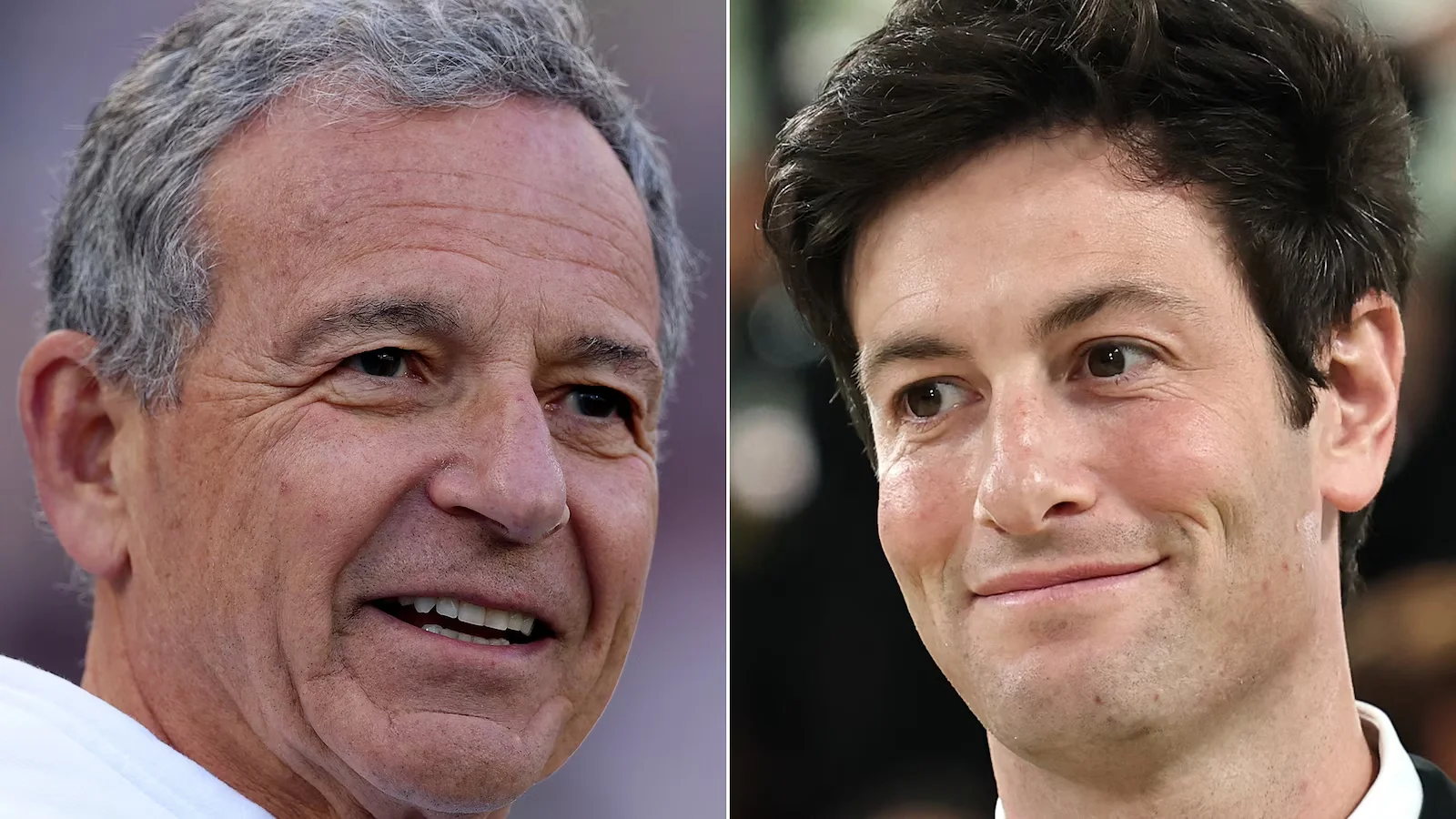
Venture capitalist Josh Kushner and former Walt Disney Company CEO Bob Iger have agreed to buy the Los Angeles Lakers for a record $12.5 billion, a blockbuster transaction that resets the ceiling for what a professional sports franchise is worth and places the NBA's most storied brand in the hands of two of America's best-known investors.
The agreement, first reported by ESPN's Ramona Shelburne and confirmed by multiple outlets on Wednesday, August 12, 2026, values the franchise at roughly 25% more than the $10 billion Mark Walter paid to acquire the team from the Buss family just 14 months earlier. For the investing world, the deal is the clearest signal yet that elite sports teams have become one of the most reliable appreciating assets in the modern economy.
How the $12.5 Billion Lakers Deal Unfolded
The sale caps a dizzying ownership turnaround for the Lakers, one of the most iconic franchises in all of professional sports. Mark Walter, the financier who controls the Los Angeles Dodgers and co-owns Premier League club Chelsea, agreed to purchase the Lakers from the Buss family in June 2025 for what was then a record $10 billion. Now, barely more than a year later, he is selling at a $2.5 billion premium.
The incoming ownership group pairs Kushner's venture investing pedigree with Iger's decades of media and entertainment leadership. Kushner, the brother of former White House adviser Jared Kushner, founded Thrive Capital and built it into a venture firm with high-profile positions in some of the past decade's most notable startups, including Instagram, Spotify, Stripe, and OpenAI, along with major bets on artificial intelligence and health insurance. Iger, who led Disney through transformative acquisitions of Pixar, Marvel, Lucasfilm, and 21st Century Fox, has long been linked to sports ownership ambitions.
People familiar with the matter said the deal came together with unusual speed. ESPN's Shelburne described the transaction as coming together "incredibly fast," underscoring how competitive bidding for marquee franchises has become as media rights soar and private capital pours into sports.
From $10 Billion to $12.5 Billion in 14 Months
The Lakers' valuation trajectory tells a broader story about sports as an asset class. The recent ownership timeline is striking:
- June 2025: Mark Walter agrees to buy the Lakers from the Buss family for a then-record $10 billion.
- August 12, 2026: Kushner and Iger announce an agreement to buy the team at a $12.5 billion valuation.
That $2.5 billion swing in roughly a year highlights why institutional investors and billionaires are racing into sports ownership. Franchise values have been propelled by multi-billion-dollar broadcast deals, international expansion, and the simple scarcity of trophy assets that almost never change hands.
Why the Lakers Deal Matters for Everyday Investors
For everyday investors, the Lakers sale is a case study in how elite sports franchises have become one of the most dependable appreciating assets of the past decade. A 25% gain in just over a year — from $10 billion to $12.5 billion — far outpaces the returns of most traditional portfolios over the same stretch.
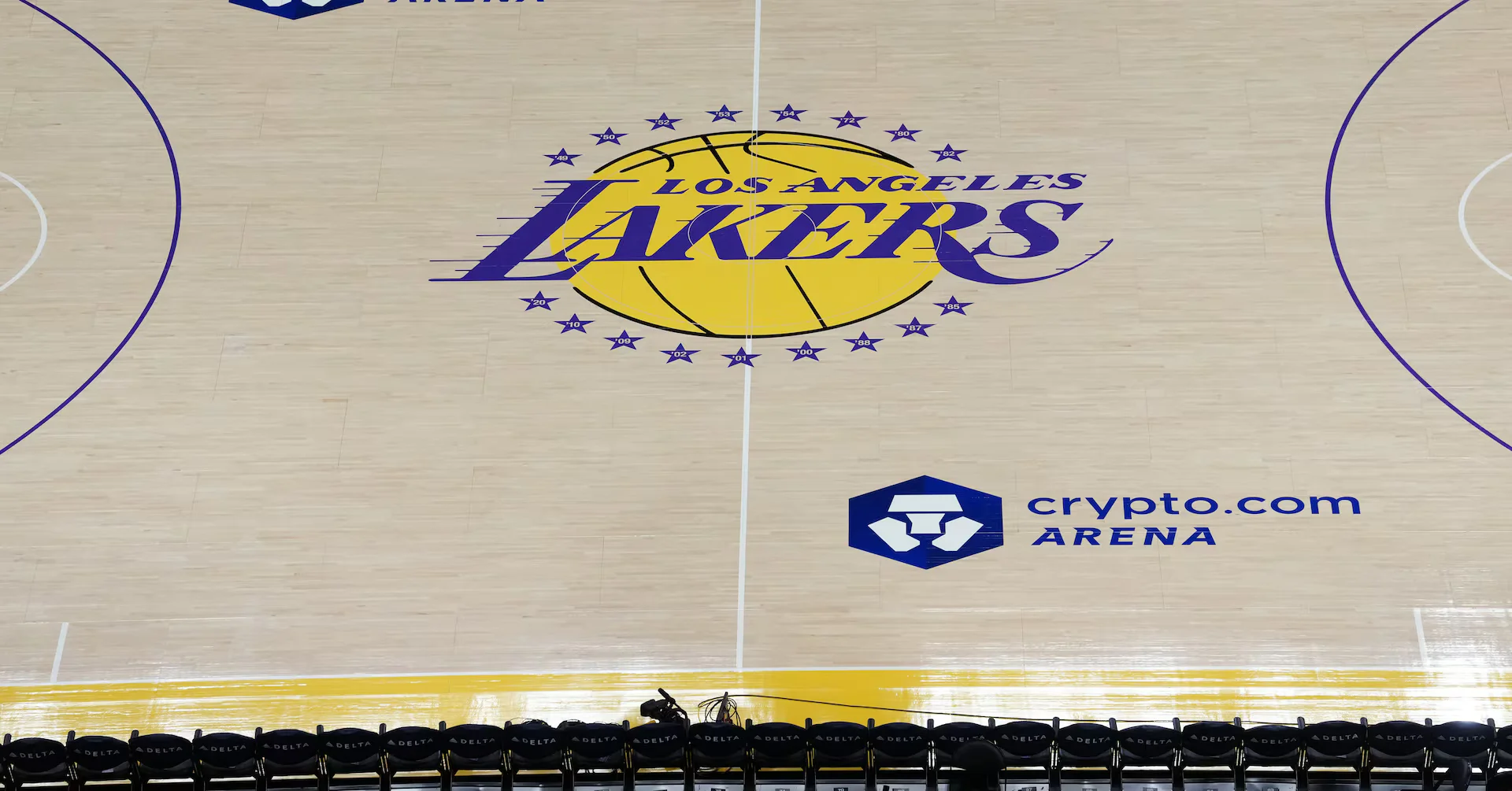
The move also reveals the strategy behind Kushner's and Iger's bet. Both are wagering that the Lakers' combination of global brand recognition, the enormous Los Angeles market, and the NBA's rapidly expanding media rights will keep compounding in value. In a joint statement, the pair declared: "Our long-term commitment is to build on that foundation, compete at the highest level, and serve this extraordinary team, its fans, and the city of Los Angeles."
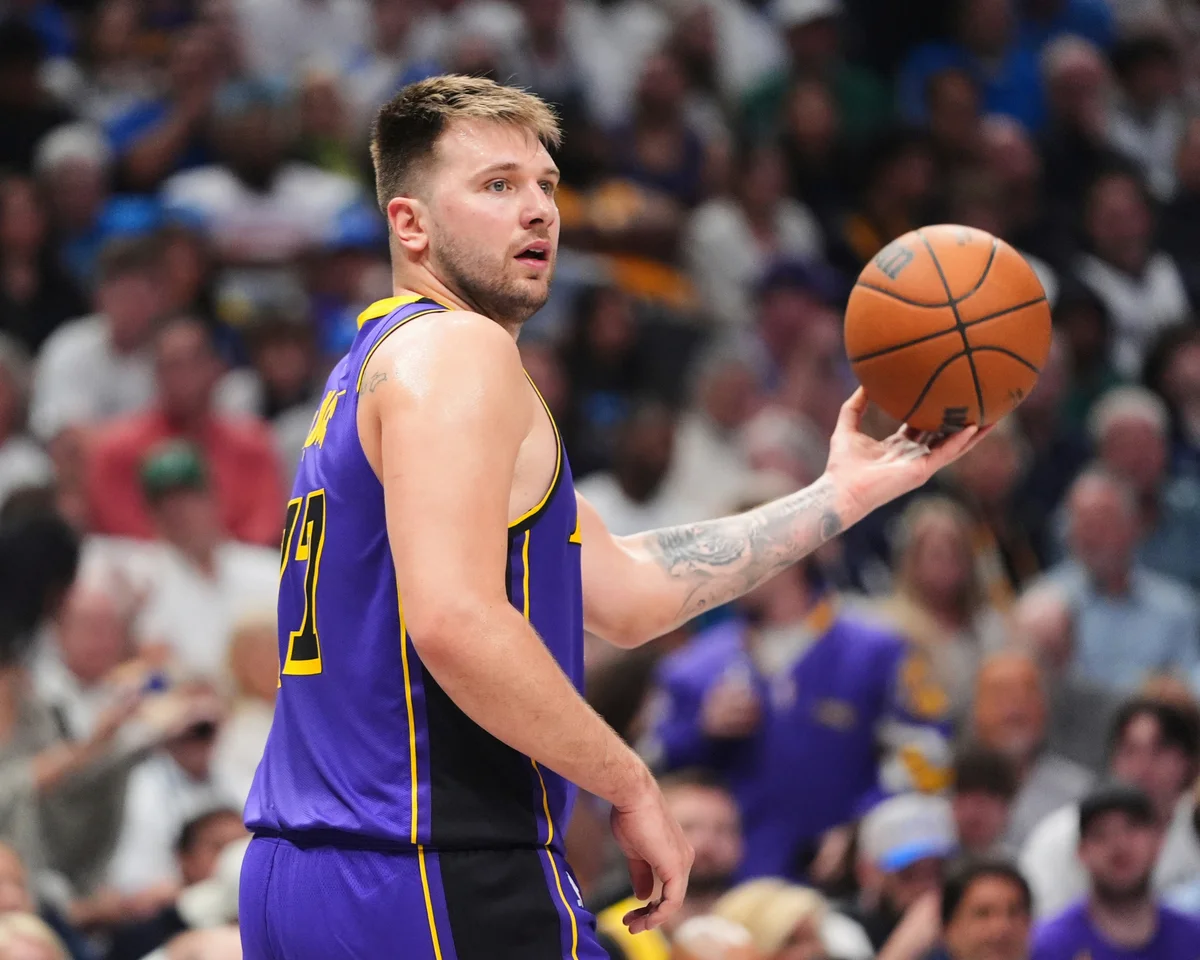
Analysts have long noted that sports teams offer the ultra-wealthy more than prestige: they deliver appreciation, tax advantages, and cash flow from media, sponsorship, and ticketing. The Lakers, led on the court by superstar Luka Doncic, sit squarely at the center of that trend. For retail investors, the lesson is less about bidding on a franchise and more about the underlying forces at work — scarce, cash-generating assets with strong brand power tend to appreciate, the same logic that has fueled interest in sports-adjacent stocks, media companies, and private-equity funds targeting live entertainment.
Where Things Stand Now
As of the announcement, the deal is an agreement to purchase Walter's controlling stake, subject to the NBA's standard approval process through its Board of Governors. Once finalized, it would make Kushner and Iger the controlling owners of a franchise that has won 17 NBA championships and produced some of the biggest names in basketball history.
Walter, who will exit his Lakers position after an unusually brief tenure, retains his controlling interest in the Dodgers and remains one of the most influential figures in American sports ownership.
What Happens Next for the New Lakers Owners
After the NBA's Board of Governors approves the sale, attention will turn to how Kushner and Iger plan to run the franchise. Expectations are that they will invest heavily in the roster, the arena, and the team's global brand, leaning on Iger's media expertise and Kushner's technology and venture connections.
The transaction is also likely to trigger a re-rating of other NBA franchise values against the new $12.5 billion benchmark, potentially fueling further investment and consolidation across the league as wealthy buyers compete for the few remaining trophy assets in professional sports.
Key Takeaways
- Josh Kushner and Bob Iger are buying the Los Angeles Lakers for a record $12.5 billion.
- Mark Walter bought the team roughly 14 months ago from the Buss family for $10 billion, netting an approximately 25% gain.
- The deal is the largest in professional sports history and reflects the surging value of NBA franchises.
- The new owners say they aim to "compete at the highest level," with superstar Luka Doncic leading the roster.