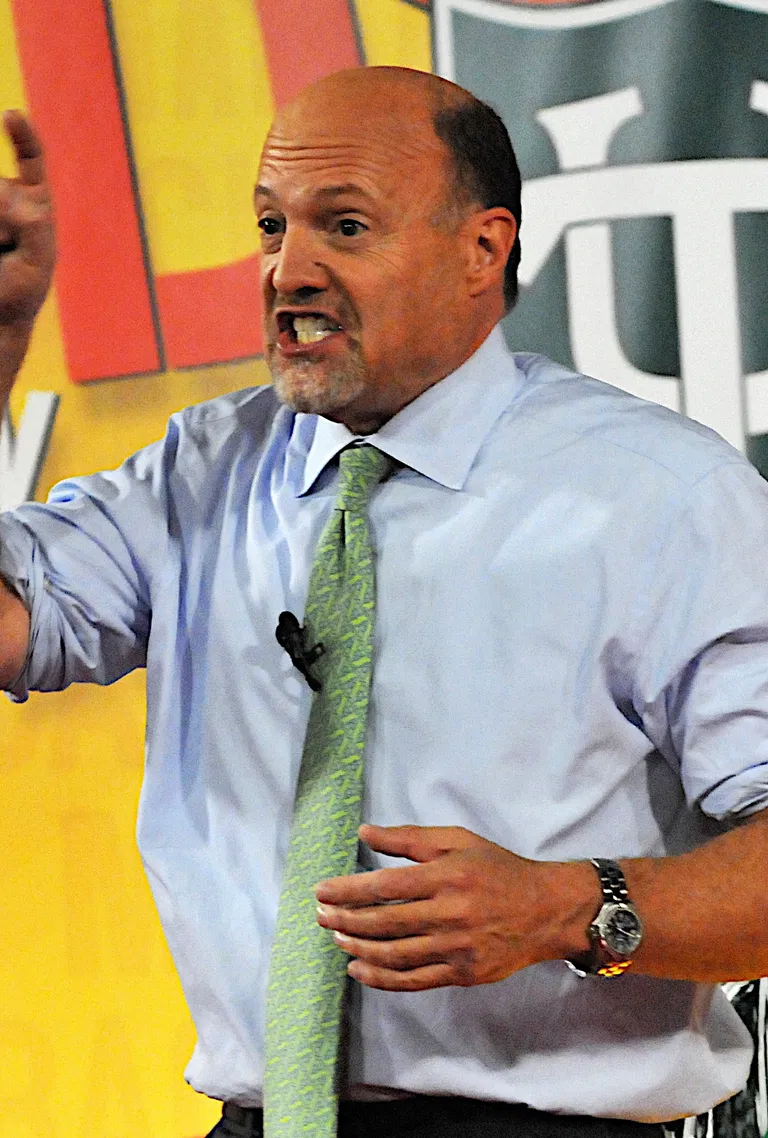
Jim Cramer's Nvidia stock advice is unambiguous: the "Mad Money" host wants investors to buy the dip in Nvidia (NASDAQ: NVDA) after the AI chip giant tumbled roughly 22% in a month and hit a valuation he says hasn't been seen in about a decade. Speaking on CNBC's "Squawk on the Street" on Nov. 5, 2026, as chip stocks cratered, Cramer called Nvidia "the cheapest multiple on Nvidia in about a decade" and urged the company to put its $235 billion buyback to work.
The backdrop was brutal. Nvidia slid roughly 7% on Nov. 5, closing near $186, as a post-election chip selloff swept through markets. The Nasdaq Composite plunged 5.5% that day and erased about $2.5 trillion in value — a single-day record — while semiconductor rivals including AMD and Micron tumbled 15% or more. For Nvidia, once the world's most valuable company, the session marked the latest leg of a slide that has wiped out roughly $1.3 trillion in market capitalization across five straight losing weeks.
Nvidia's 22% Crash: What's Driving the AI Chip Selloff
The decline has been building for months. Pressure began in mid-September 2026, when leading AI executives — including Anthropic CEO Dario Amodei and OpenAI chief Sam Altman — publicly called for a slowdown in AI development, rattling investors who had priced the sector for years of uninterrupted growth. Those anxieties resurfaced in early November amid fresh AI-regulation headlines, worries over China chip restrictions, and signs of data-center construction delays. Nvidia's own outlook, which excludes China data-center revenue, has kept Wall Street on edge about how quickly AI infrastructure spending can keep climbing.

By the time the dust settled on Nov. 5, Nvidia had shed nearly $450 billion in market value in a single session. The selloff was triggered by the 2026 midterm-election shock landing on an AI trade already under pressure from high interest rates and heavy capital spending. From its Oct. 6 all-time closing high of $239.24, the stock had fallen more than 20% in under a month — a swift and painful unwind for one of the market's most widely owned names. Rather than run for the exits, Cramer framed the moment as a rare opportunity, telling viewers that a company growing this fast rarely trades this cheaply.
Timeline: From a Record High to a Five-Week Slide
Nvidia's reversal has been rapid even by the standards of a stock known for sharp swings:
- Sept. 14, 2026: AI-linked stocks sink after industry leaders call for slowing AI development.
- Sept. 28, 2026: Nvidia's board authorizes a $150 billion increase to its share-repurchase program, lifting the total to $235 billion — the biggest buyback plan in its history. Cramer had urged the move, arguing the stock at 23 times forward earnings was too cheap to ignore.
- Oct. 6, 2026: Nvidia closes at an all-time high of $239.24.
- Nov. 5, 2026: The Nasdaq plunges 5.5%, shedding a record $2.5 trillion. Nvidia falls about 7% to roughly $186, losing nearly $450 billion in value in one day as the midterm-election rout hits chip names.
- Nov. 6, 2026: Nvidia rebounds about 2.8% as dip buyers step in.
Why Cramer Says This Is the Cheapest Nvidia Has Been in a Decade
Cramer's case is rooted in valuation. After the crash, Nvidia trades at roughly 22 to 23 times forward earnings — a multiple he describes as absurd for a company of its growth profile and a far cry from the nosebleed valuations that defined its run higher. "If the cheapest asset is your stock, you should buy it," Cramer said, directing the message at Nvidia's management and its $235 billion buyback authorization. He reiterated a view he has held for more than a year: Nvidia is an "own it, don't trade it" stock meant to be held through volatility, not flipped on every headline.
The buyback is central to Cramer's playbook. In September, he called on Nvidia to authorize as much as $500 billion in repurchases, and he has argued that a record buyback could "change the trajectory of the stock." The logic: with shares this cheap, every dollar Nvidia spends buying back stock is an investment in a company that, by Cramer's math, is on sale. For long-term investors, he says the same math applies — the pullback reflects fear about regulation, election fallout, and spending, not a break in Nvidia's fundamentals.
Still, the risks are real. China restrictions, AI-regulation uncertainty, and data-center delays are legitimate overhangs that could pressure growth. But Cramer's message has been consistent through every leg of the 2026 selloff, including a July rout he called "absurd": he still owns Nvidia and has no plans to trade it.
Where Nvidia Stands Now Ahead of Earnings
Nvidia closed the week near $186, leaving its market capitalization around $4.5 trillion — down from a peak near $5.5 trillion in late August. The Nov. 6 rebound offered a glimmer of stabilization, but the stock remains more than 20% below its October record heading into a critical test: Nvidia's fiscal third-quarter 2027 earnings, scheduled for Tuesday, Nov. 17, after the market close. Wall Street will be watching for guidance on AI data-center demand, China exposure, and the pace of buyback execution.
What Happens Next: Buybacks, Earnings, and the Road Ahead
The immediate question is whether Nvidia's board and management take Cramer's advice and accelerate buybacks at these levels. A big, visible repurchase program would signal management's confidence and could put a floor under the stock. The larger test is earnings: if Nvidia's results and guidance reaffirm robust AI demand, Cramer's "cheapest in a decade" call could look prescient. If spending concerns deepen, the dip could deepen with it.
For investors weighing Cramer's Nvidia stock advice, the takeaway is clear: he sees a high-quality growth company trading at a rare discount, and he would rather own the shares through the noise than try to time the bottom.
The Bottom Line: Cramer's Nvidia Advice in Brief
- Cramer calls Nvidia "the cheapest multiple" he has seen "in about a decade" after a 22% slide.
- He urges Nvidia to deploy its $235 billion buyback: "If the cheapest asset is your stock, you should buy it."
- His long-running stance on NVDA remains "own it, don't trade it."
- Nvidia has lost about $1.3 trillion in market value over five straight losing weeks but rebounded Nov. 6.
- The next catalyst is fiscal Q3 2027 earnings, set for Tuesday, Nov. 17.