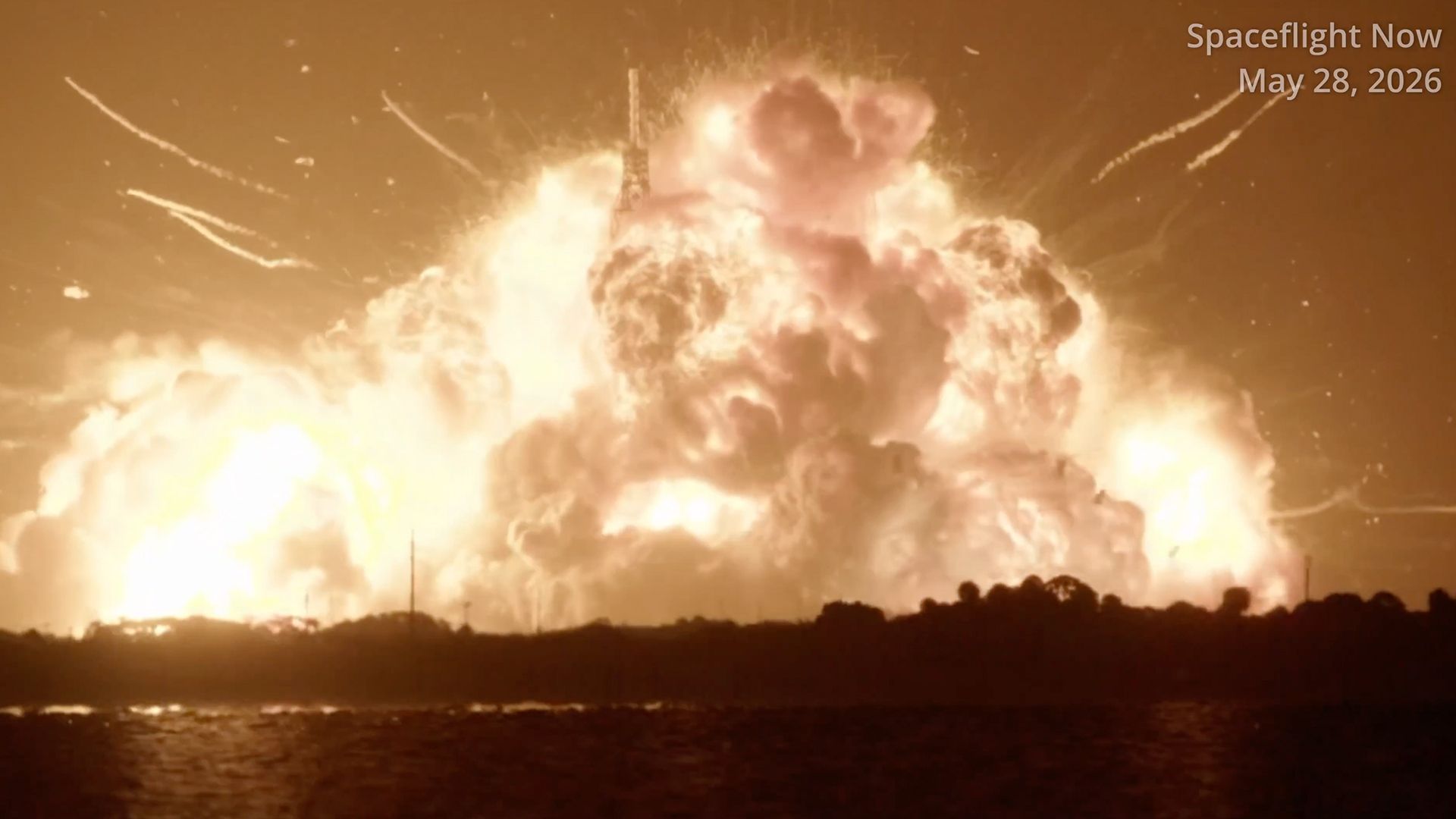
Jeff Bezos' Blue Origin suffered its most catastrophic setback yet when a New Glenn rocket exploded in a spectacular fireball during a routine static fire test at Cape Canaveral Space Force Station on Thursday night, destroying the vehicle and severely damaging the company's only orbital launch pad. The explosion sent space stocks tumbling on Friday and raised serious questions about the future of NASA's Artemis moon program.
How the New Glenn Disaster Unfolded: Inside the Explosion That Shook Cape Canaveral
The 98-meter (322-foot) rocket was undergoing a prelaunch engine test at Launch Complex 36 at approximately 9:00 PM EDT when something went catastrophically wrong. Engineers were counting down to a brief test firing of New Glenn's seven methane-fueled BE-4 first-stage engines when the base of the rocket became enveloped in rapidly growing flames. Moments later, the 86-foot-tall upper stage began tilting as the first stage collapsed, and the entire vehicle erupted in a roiling fireball that lit up the Florida night sky for miles around.
"All personnel are accounted for and safe," Bezos said in a social media post. "It's too early to know the root cause but we're already working to find it. Very rough day, but we'll rebuild whatever needs rebuilding and get back to flying. It's worth it." The company described the incident as an "anomaly" and has launched a full investigation.
SpaceX founder Elon Musk offered a rare moment of solidarity with his competitor, replying to Blue Origin's statement: "Sorry to see this, I hope you recover quickly."
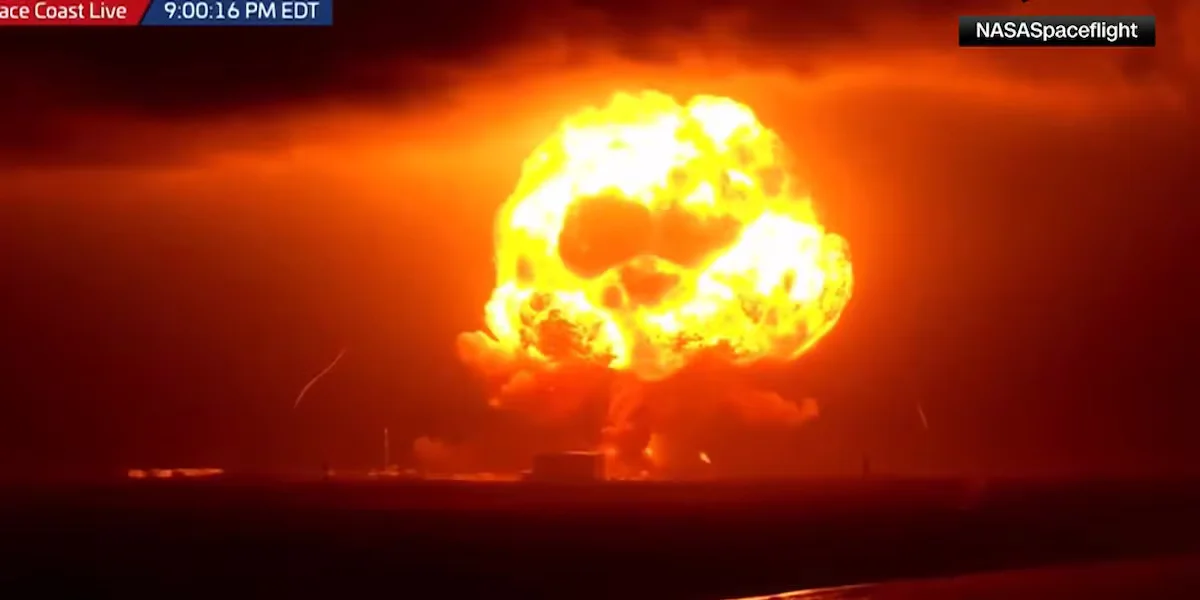
Timeline: How Blue Origin's New Glenn Met Its End
The May 28 disaster marks the latest chapter in what has been a troubled 2026 for Blue Origin. The company's first orbital New Glenn rocket launched successfully on January 16, 2025, marking a significant milestone. However, its most recent flight in April 2026 suffered an upper stage malfunction that prevented a commercial internet satellite from reaching its planned orbit.
Despite that issue, the Federal Aviation Administration cleared New Glenn to resume flights after reviewing Blue Origin's failure analysis. The fourth New Glenn vehicle, destroyed in Thursday's explosion, had been scheduled to launch in early June carrying 48 Amazon "Leo" internet satellites—a key part of Amazon's strategy to compete with Musk's Starlink.
The launch pad damage is particularly severe. Aerial footage revealed that the erector-gantry used to move New Glenn from its hangar to the pad was destroyed, and one of two lightning towers was no longer visible. This is especially problematic because Blue Origin only has one New Glenn launch pad—Launch Complex 36. For context, when SpaceX suffered a similar on-pad explosion with Falcon 9 in September 2016, the company was grounded for three-and-a-half months and that pad was out of action for more than a year.
Why This Matters for Investors: The Space Economy's Reckoning
Space stocks took an immediate hit on Friday as the market digested the news. Shares of AST SpaceMobile (ASTS), Rocket Lab (RKLB), and Intuitive Machines (LUNR) all saw significant declines as a weeks-long rally in space-related stocks came to an abrupt halt. Bloomberg reported that the explosion served as a "glaring reality check" for the overheated space sector, which had been riding high on enthusiasm for SpaceX's ballooning valuation and increased government spending on space exploration.
Adding to the sector's gloom, Bloomberg also reported that SpaceX is targeting a valuation of $1.8 trillion, down from a previously discussed $2 trillion figure. The simultaneous Blue Origin setback and SpaceX valuation adjustment created a perfect storm of negative sentiment for space stocks on Friday.
For investors, the key question is how this reshapes the competitive landscape. Blue Origin has already fallen far behind SpaceX in the commercial launch market. In March 2026, Ars Technica reported that Bezos himself acknowledged the situation, telling employees: "I accept that Blue Origin will not meet a reasonable investor's expectations for return on investment over a typical investing horizon." The company had been attempting to restructure employee incentives with a new stock option plan, reportedly considering bringing in outside investment for the first time. This explosion will only complicate those efforts.
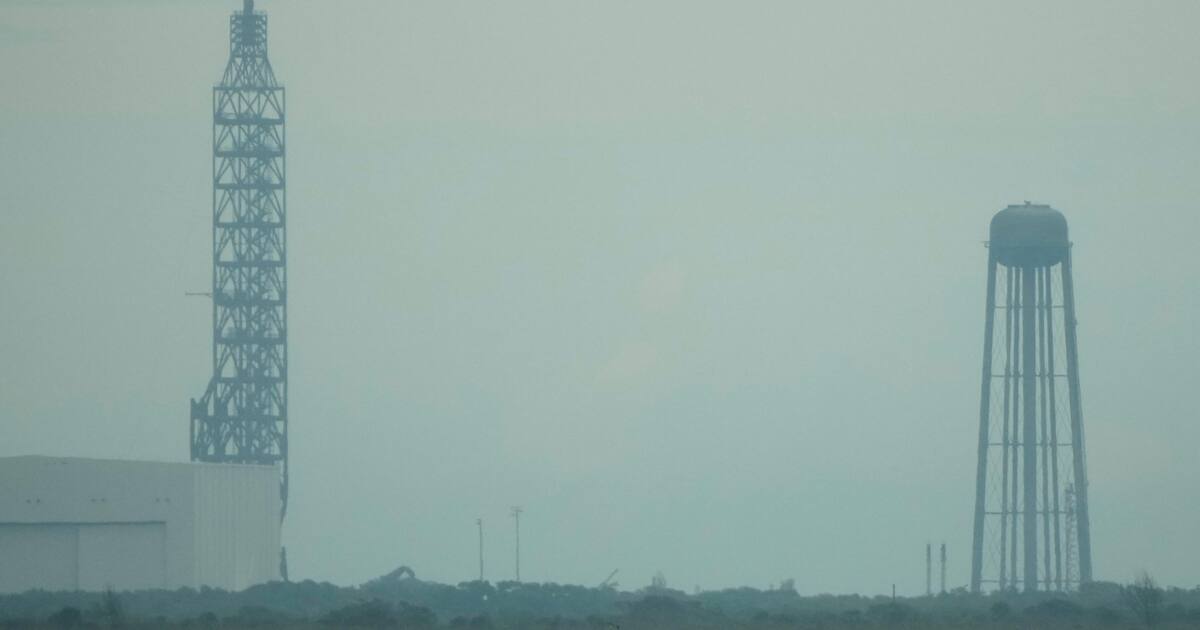
Where Things Stand Now: Assessing the Damage
The immediate priority for Blue Origin is investigating the root cause of the explosion. The company is combing through telemetry data and launch pad video to determine what went wrong during the BE-4 engine test. The Federal Aviation Administration has confirmed it is aware of the anomaly and will oversee the investigation.
NASA Administrator Jared Isaacman addressed the incident directly, stating: "NASA is aware of the anomaly that occurred tonight at Launch Complex 36. Spaceflight is unforgiving, and developing new heavy-lift launch capability is extraordinarily difficult. We will work with our partners to support a thorough investigation of this anomaly, assess near-term mission impacts, and get back to launching rockets."
The U.S. Space Force Eastern Range confirmed that emergency responders were on the scene and all personnel had been accounted for with no injuries or fatalities. The range remains "fully mission capable" and continues to support operations at other launch complexes.
What Happens Next: The Road Ahead for Blue Origin and Space Investors
The timeline for Blue Origin's recovery remains highly uncertain. Based on historical precedents—SpaceX's 2016 pad explosion took over a year to fully resolve—Blue Origin could face an extended grounding. The company needs to rebuild its only New Glenn launch pad, determine the root cause of the failure, and build a replacement vehicle. Each New Glenn rocket represents a significant capital expenditure, and the loss of this vehicle plus pad infrastructure will run into hundreds of millions of dollars.
For investors watching the space sector, key developments to monitor include: the speed and transparency of Blue Origin's root-cause investigation; any announcements about outside investment or strategic partnerships; the impact on Amazon's Project Kuiper internet satellite timeline (which depends on New Glenn launches); and how NASA adjusts its Artemis moon landing schedule given that Blue Origin's lunar lander was supposed to launch on a New Glenn rocket later this year.
The explosion also highlights the concentrated risk in the launch market. With SpaceX dominating the heavy-lift segment, any disruption to the few competitors that exist—like Blue Origin—further constrains an already tight launch market and gives SpaceX even more pricing power.
Key Takeaways from the Blue Origin Explosion
- The New Glenn rocket and its launch pad were destroyed during a static fire test on May 28, 2026; no injuries were reported
- Space stocks including ASTS, RKLB, and LUNR fell sharply on Friday as the explosion punctured the space sector rally
- Blue Origin's only orbital launch pad is severely damaged, potentially grounding the company for a year or more
- The Artemis moon program faces delays as Blue Origin's lunar lander was dependent on New Glenn launches
- SpaceX's dominance in the launch market is further cemented, giving it greater pricing power and competitive advantage
- Investors should watch for Blue Origin's funding needs and potential outside investment as the company faces a costly rebuild