
Non-classic congenital adrenal hyperplasia (NCCAH) in females is a subtle yet impactful endocrine disorder that can affect hormone levels, fertility, and daily wellness. Many women remain undiagnosed for years, attributing common but persistent symptoms to other causes. In this guide, we’ll explore how early diagnosis and specialist CAH gynaecology can help manage symptoms and improve long-term outcomes.
What Is Non-Classic Congenital Adrenal Hyperplasia (NCCAH)?

NCCAH is a milder form of congenital adrenal hyperplasia (CAH), a genetic condition where the adrenal glands produce abnormal levels of steroid hormones. Unlike the classic form, which is usually detected in infancy, non-classic CAH may go unnoticed until adolescence or adulthood. In females, it often presents with subtle but disruptive symptoms such as irregular periods, acne, excess facial hair growth, and difficulty conceiving.
Understanding NCCAH is key because its symptoms can overlap with polycystic ovarian syndrome (PCOS), leading to misdiagnoses. This makes expert gynaecology with CAH experience essential for accurate diagnosis and care.
Common Symptoms of NCCAH in Females
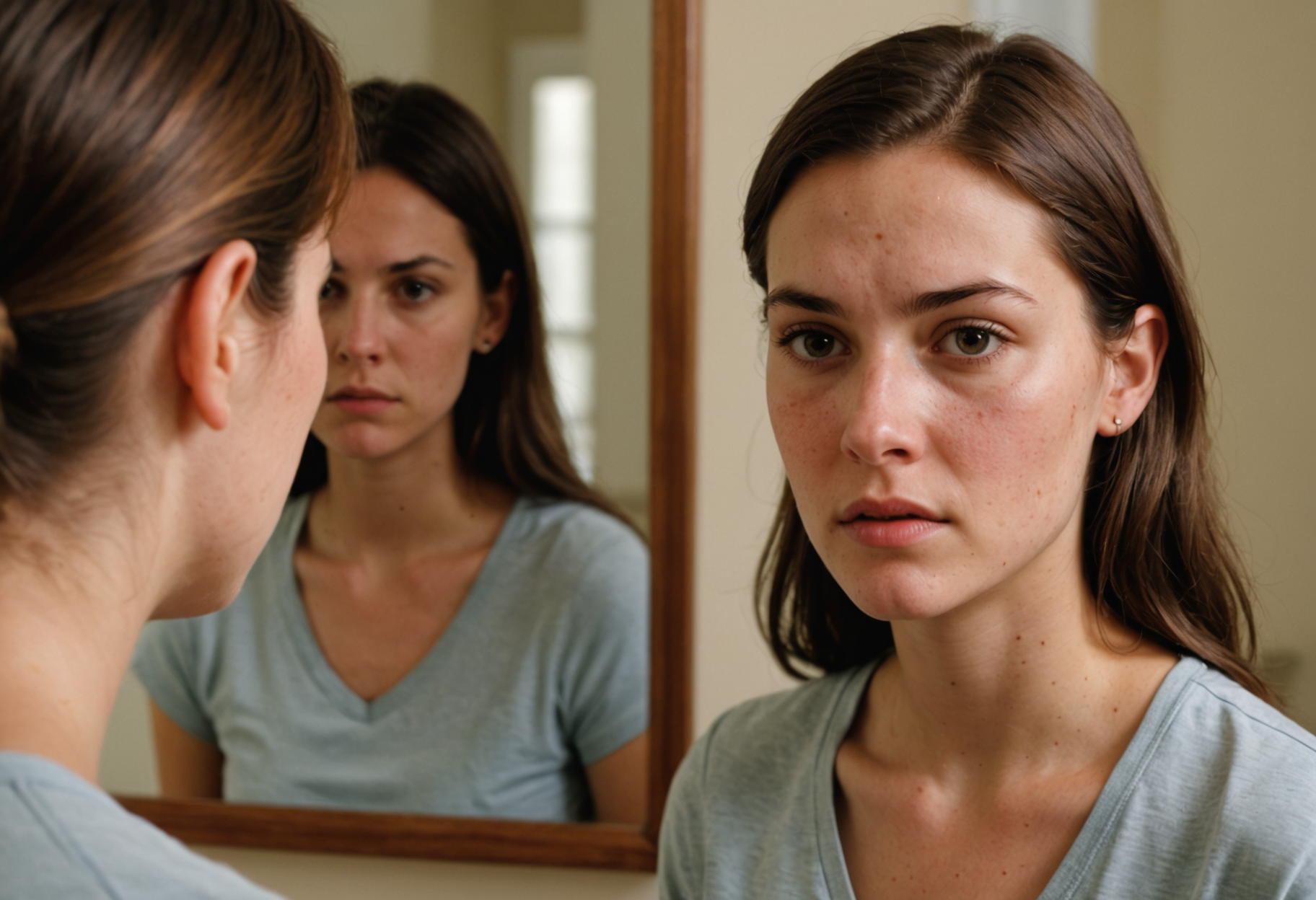
Females with NCCAH can experience a range of symptoms that vary in severity. These symptoms often become noticeable during puberty but can persist or worsen in adulthood if left untreated. Identifying key signs can encourage earlier investigation and care:
- Persistent or severe acne
- Irregular or absent menstrual cycles
- Excessive hair growth (hirsutism), especially in male-pattern areas
- Unexplained weight gain or difficulty losing weight
- Infertility or prolonged efforts to conceive
- Mood swings or anxiety due to hormonal fluctuations
These symptoms may not seem alarming in isolation, but together they can point to a deeper hormonal imbalance that warrants medical evaluation.
Why Specialist CAH Gynaecology Is Essential

Given the complexity of NCCAH, general medical care may not suffice. Specialist gynaecologists with experience in congenital adrenal hyperplasia are uniquely equipped to decipher hormonal test results, tail treatment to female-specific concerns, and support fertility aspirations. According to the Endocrine Society, targeted care by a multidisciplinary team can significantly improve treatment outcomes for women with hormone disorders like NCCAH.
This care often includes custom hormone therapy, fertility planning, psychological support, and regular monitoring. Without it, women may endure years of trial-and-error treatment or go on without proper management.
Treatment Options and Long-Term Management

Treatment for non-classic CAH typically focuses on restoring hormonal balance and managing symptoms. The approach may vary depending on your goals, whether they be symptom control, improving fertility, or overall hormonal well-being:
- Hormone Replacement Therapy: May include glucocorticoids to reduce androgen levels.
- Fertility Support: Ovulation induction therapies or personalized fertility guidance.
- Lifestyle Modifications: Regular exercise, balanced nutrition, and stress reduction to help regulate symptoms.
- Routine Monitoring: Regular blood work to track hormonal levels and adjust dosages accordingly.
It's important to discuss treatment risks and benefits with a specialist. As not every patient responds the same way, personalized care ensures the best possible outcomes.
The Importance of Early Diagnosis and Ongoing Support

Early diagnosis of NCCAH can reduce complications and enhance quality of life. According to a study from NIH, timely intervention can prevent issues like infertility and emotional distress later in life. However, many women spend years without answers. This makes proactive evaluations and CAH-aware care teams vital.
Similarly, managing NCCAH isn't a one-time fix. Ongoing support through patient education, regular check-ups, and mental health care is often recommended, especially when emotional or social impacts arise due to symptoms.
Non-classic congenital adrenal hyperplasia in women is more common than many realize, and with specialist CAH gynaecology, you can take control of symptoms, fertility, and wellbeing. Early attention and dedicated support lead to better results and greater confidence in managing hormonal health. If you're curious about women's care for NCCAH, learning more can help you make an informed decision for your health journey.