
Epidermolysis Bullosa (EB) is a rare genetic condition that causes the skin to become extremely fragile, leading to painful blisters from minor friction or injury. While there's currently no cure, advances in treatment are making symptom management more effective and accessible. In this guide, we'll explore key EB treatments, how they work, and options you can consider to improve quality of life.
What Is Epidermolysis Bullosa?
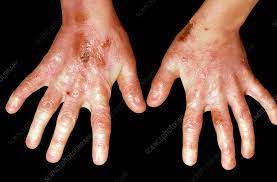
Epidermolysis Bullosa (EB) is a group of genetic disorders that affect the connective tissues of the skin, causing it to blister or tear with even slight trauma. Individuals with EB often experience chronic wounds, infections, and scarring. According to the National Institutes of Health, EB affects approximately 1 in 50,000 live births in the United States. There are several forms of EB, including simplex, junctional, and dystrophic types, each varying in severity and inheritance patterns.
Early diagnosing of Epidermolysis Bullosa is crucial for symptom management and preventing complications. This usually involves a combination of a skin biopsy, genetic testing, and reviewing clinical symptoms. Recognizing EB symptoms early, such as blisters at birth or persistent skin wounding, can help families access care faster.
Common Treatments and Approaches
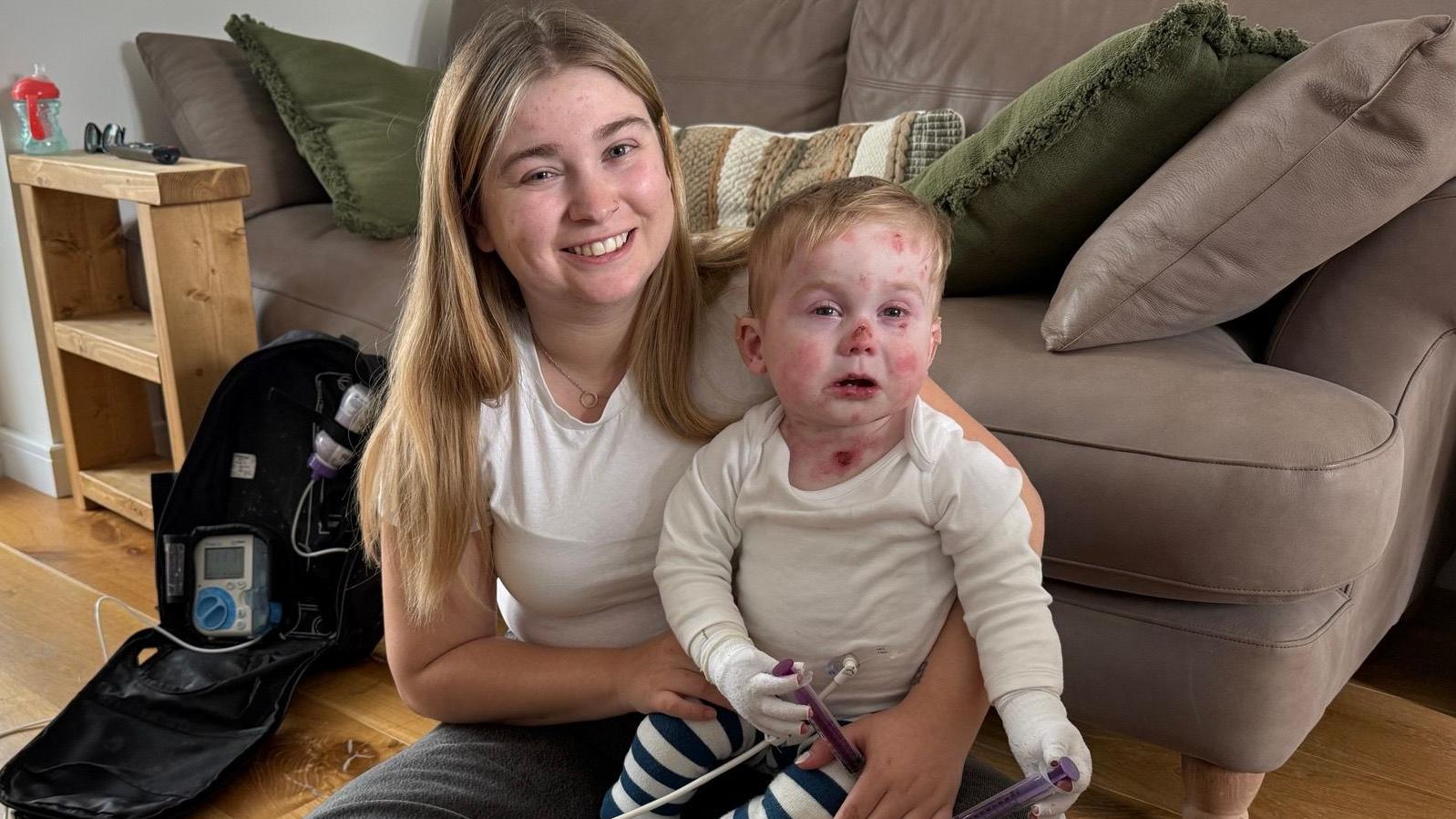
Because there is no cure for EB, current treatments focus on symptom relief, wound healing, and preventing infection. Treatment plans are often personalized based on the type and severity of EB. Here are some common EB care methods:
- Wound care: Using non-adhesive bandages, gauze, or silicone dressings to protect affected areas
- Pain management: Topical and oral medications for reducing discomfort during dressing changes
- Infection prevention: Application of topical antibiotics to open wounds
- Nutritional support: Dietitians often assist in supporting immune health and wound healing
- Physical therapy: To prevent contractures and maintain mobility as wounds heal
Families may coordinate care with dermatologists, nutritionists, and pediatric specialists. According to the CDC, multidisciplinary care has shown to improve patient outcomes over time.
Advanced EB Solutions and Research Developments

Advancements in biotechnology and genetics are paving the way for more promising EB treatments. Gene therapy, protein replacement therapy, and stem cell transplants are currently under research or clinical trials. A recent breakthrough from Stanford University involved the use of genetically corrected skin grafts in patients with severe EB, leading to improved wound closure.
Other emerging therapies include recombinant collagen VII, which is essential for skin strength, and bone marrow transplants that may help in some EB subtypes. While these studies are still in investigative phases, they represent hopeful progress toward long-term improvements in managing EB.
How to Find EB Treatment Near You

Access to specialized care is important for managing EB effectively. EB is a rare condition, so finding the best doctor for EB may require visiting pediatric dermatology centers or rare disease clinics. Organizations such as DEBRA offer directories for EB treatment specialists and care centers in the U.S.
If you're searching for "EB treatment near you," it's recommended to ask your primary doctor for a referral to a geneticist or dermatologist with experience in EB. Many teaching hospitals and research institutions also run EB-specific clinics and can assist with care coordination. Telemedicine options are increasingly available for ongoing consultations, which may benefit those in remote areas.
Living with Epidermolysis Bullosa can be challenging, but with the right treatment plan and support system, quality of life can be significantly improved. With emerging therapies, ongoing research, and better accessibility to specialized care, there’s more hope than ever. If you or a loved one is affected by EB, consider exploring your treatment options and connecting with supportive health networks to help navigate the journey ahead.