
Recognizing breast cancer in its early stages can significantly improve the chances of successful treatment. While a lump is one of the most common warning signs, there are many other subtle symptoms you may not know. In this guide, we’ll explore the early signs of breast cancer, what symptoms to watch for, and how awareness can make a life-saving difference.
What Are the Early Signs of Breast Cancer?
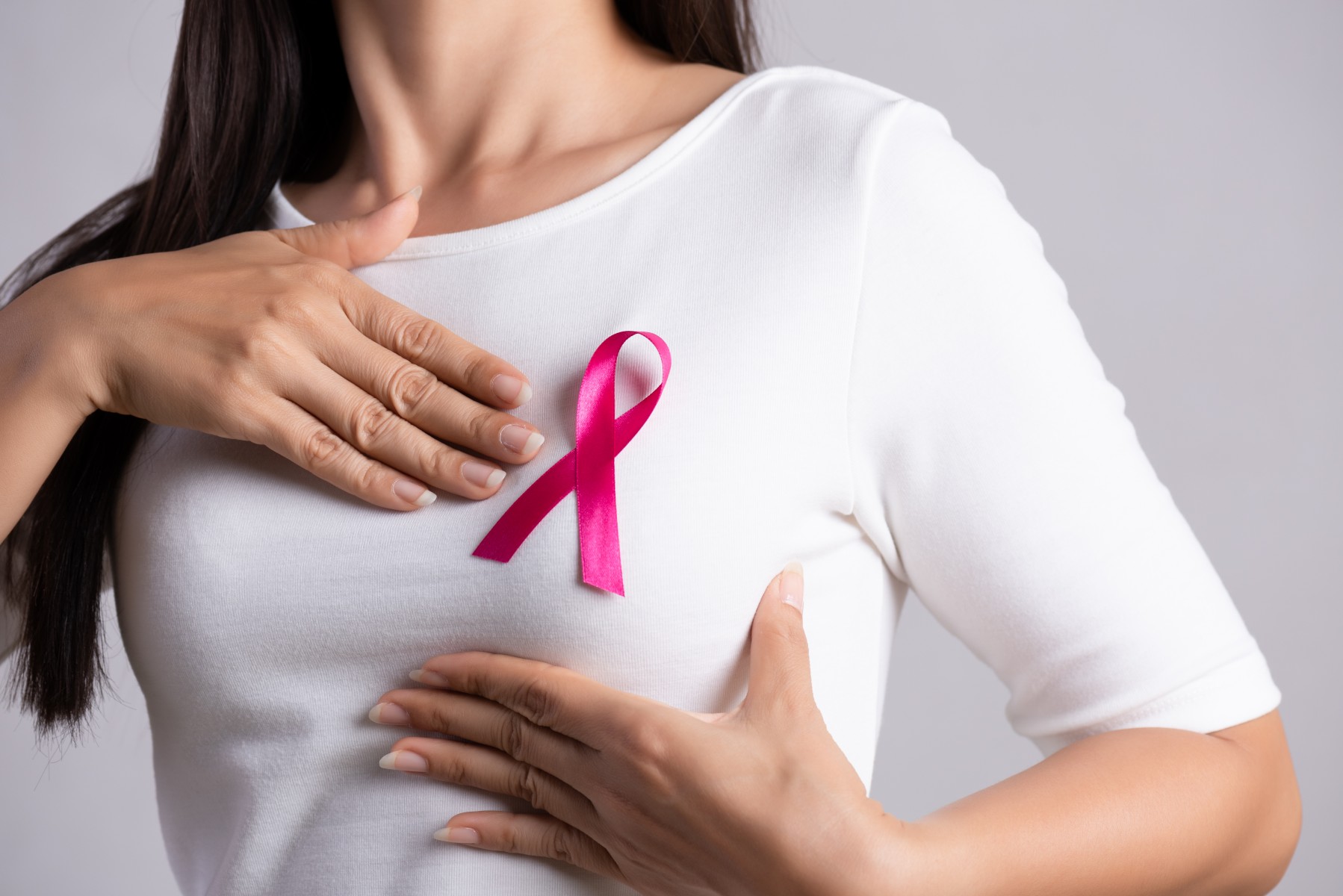
While a breast lump is the most commonly discussed symptom, many women experience other signs that can indicate breast cancer in its early stages. According to the American Cancer Society, early detection can lead to higher survival rates and more treatment options. Early signs can sometimes be overlooked because they may appear subtle or seem unrelated to cancer. If you notice any of the following symptoms, it's important to consult your doctor for further evaluation:
10 Signs of Breast Cancer You Should Watch For

Being proactive with breast health means knowing what signs to watch for. Here are 10 common symptoms that could be warning signs of breast cancer:
- New lump in the breast or underarm
- Thickening or swelling of part of the breast
- Irritation or dimpling of breast skin
- Redness or flaky skin in the nipple area or breast
- Pain in the nipple area
- Nipple discharge other than breast milk, including blood
- Change in size or shape of the breast
- Inverted nipple
- Swelling around collarbone or underarm (possible lymph node involvement)
- Unexplained fatigue
These symptoms aren’t always due to cancer, but they should never be ignored. Routine self-exams and regular screenings are key.
Why Early Detection Matters
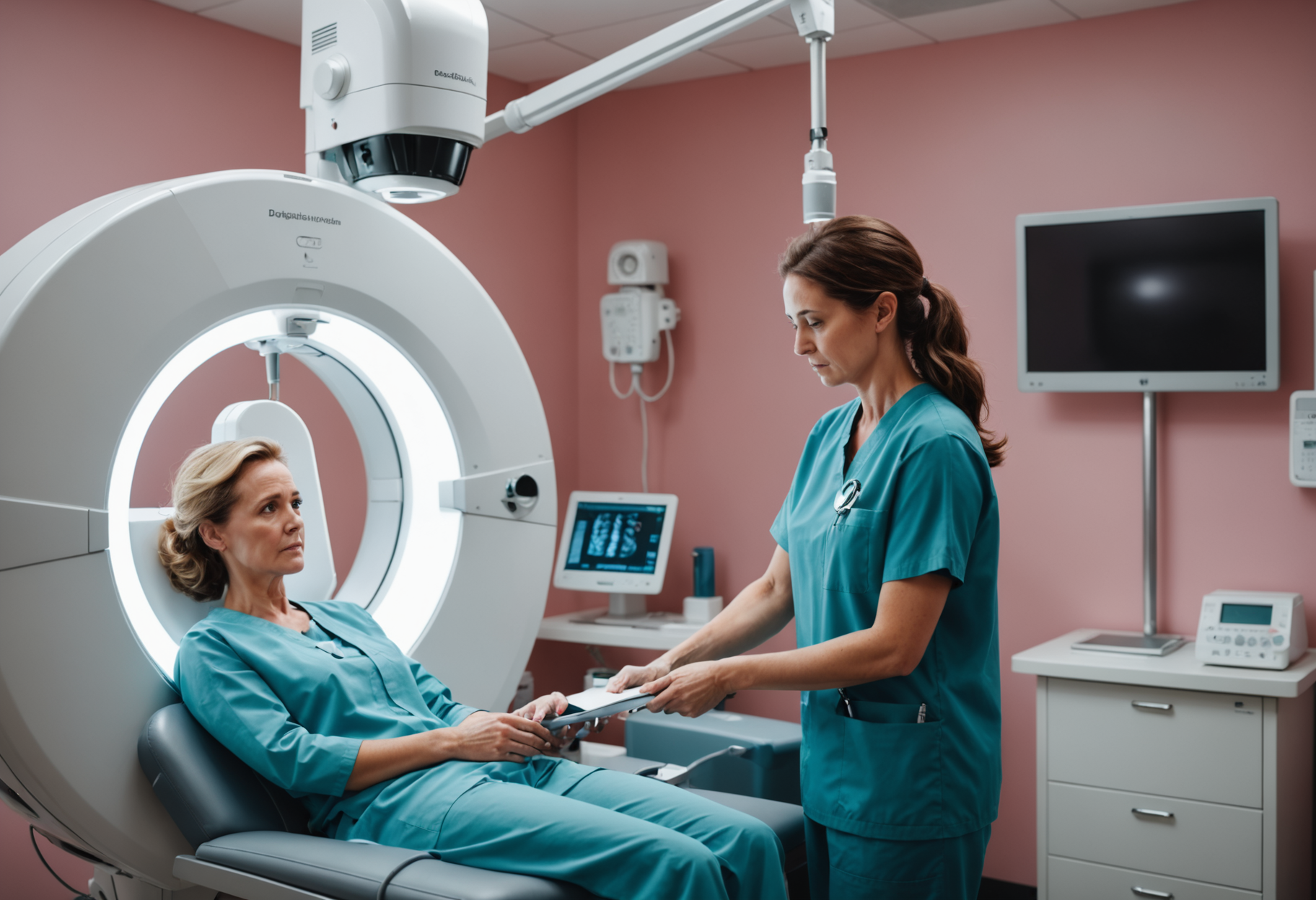
Catching breast cancer early can significantly affect treatment outcomes. According to the CDC, the five-year survival rate for localized breast cancer is about 99%. This means that when cancer is detected before it spreads beyond the breast, the chances for successful treatment are much higher. Early diagnosis not only increases survival but may also lessen the need for more aggressive treatments like chemotherapy or mastectomy. Regular mammograms, clinical exams, and awareness of your body play an important role in detection.
Signs You Might Overlook Other Than Lumps

Some of the most easily missed signs may have nothing to do with lumps at all. For example, pain or changes in the appearance of the nipple area can be early indicators. In some cases, women report discovering breast cancer due to persistent itching or skin changes that didn’t go away. Additionally, symptoms like swollen lymph nodes under the arm or above the collarbone may point to early spread. Being mindful of these less obvious signs enhances early detection efforts. As highlighted by a report from Mayo Clinic, symptoms vary among individuals, making regular screening and consultation with healthcare providers vital.
Being informed about the early signs and symptoms of breast cancer can empower you to take timely action. From performing monthly self-checks to scheduling routine screenings, every step matters. Consider exploring your options further and speaking with a healthcare professional if you notice anything unusual. Early awareness can pave the way to better outcomes and peace of mind.