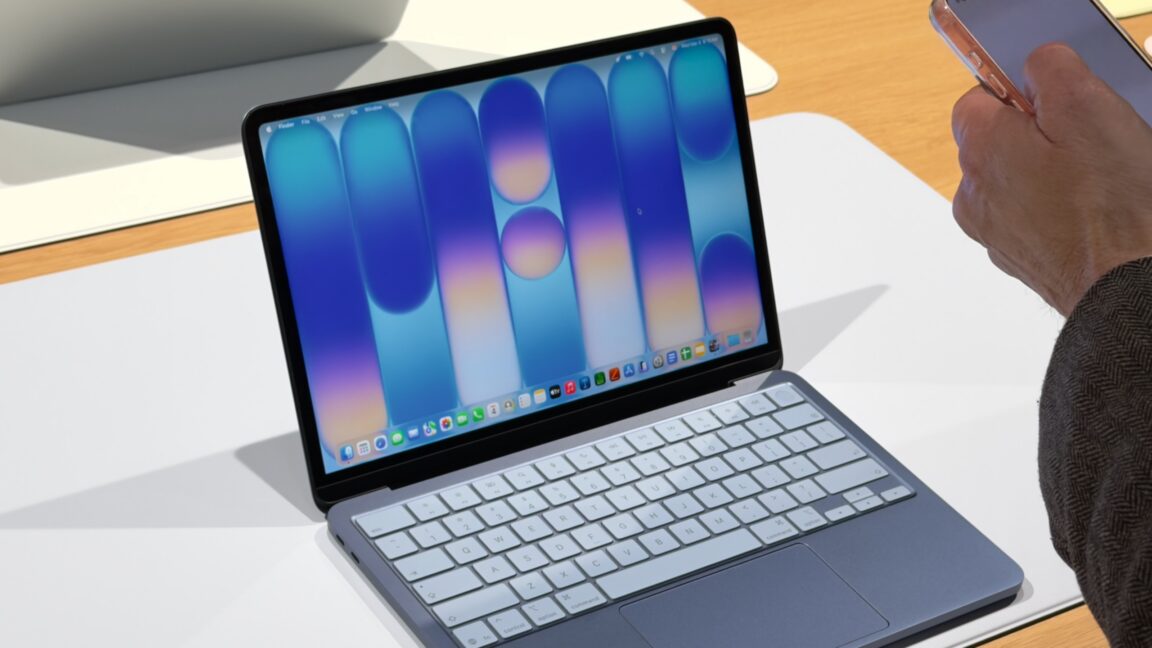
Apple's recent unveiling of the MacBook Neo represents one of the most significant shifts in the company's laptop strategy in years. Priced at just $599, this new entry-level MacBook challenges the traditional notion that Apple products come with premium price tags, while still delivering the core macOS experience that users expect. But how does this budget-friendly laptop actually work, and what makes it different from Apple's more expensive MacBook Air and Pro models?
What Is the MacBook Neo? Apple's Budget Breakthrough
The MacBook Neo is Apple's first laptop designed specifically to compete in the budget segment against Chromebooks and lower-end Windows PCs. Announced in March 2026 and available for pre-order immediately with retail availability beginning March 11, the Neo represents Apple's recognition that there's a substantial market of price-conscious consumers who want macOS but haven't been able to afford traditional Mac pricing. At its heart lies the A18 Pro chip—the same processor that powers the iPhone 16 Pro models—marking the first time Apple has used an iPhone-class chip in a Mac laptop.
How the A18 Pro Chip Powers the MacBook Neo
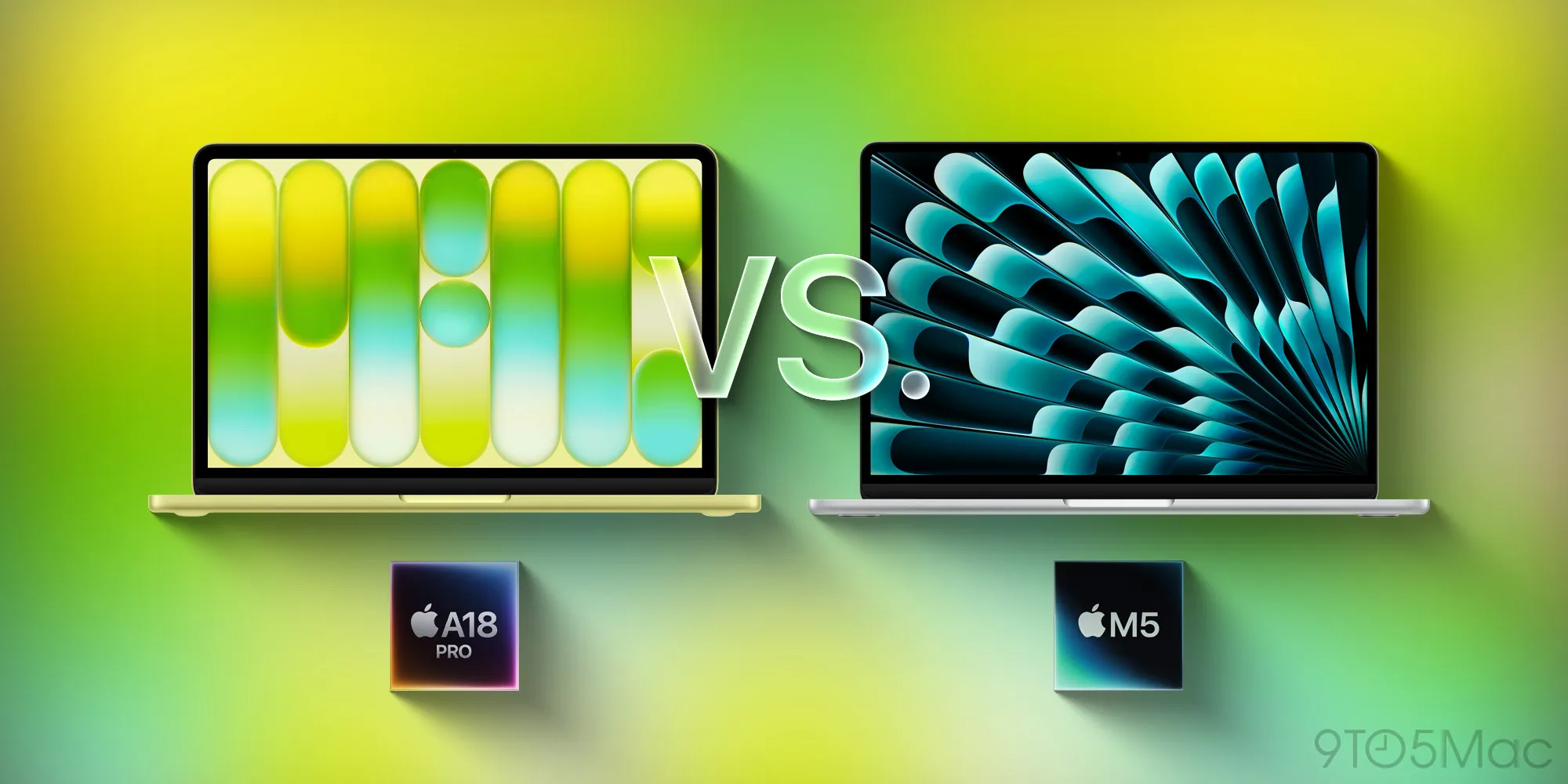
The most innovative aspect of the MacBook Neo is its use of the A18 Pro processor, which represents a fundamental shift in how Apple approaches laptop performance at this price point. Unlike the M-series chips used in other MacBooks, the A18 Pro is a 6-core processor with 2 performance cores and 4 efficiency cores, clocked at approximately 4.04 GHz. This same chip architecture has been optimized for years in iPhones, giving Apple significant efficiency advantages when adapting it to laptop form.
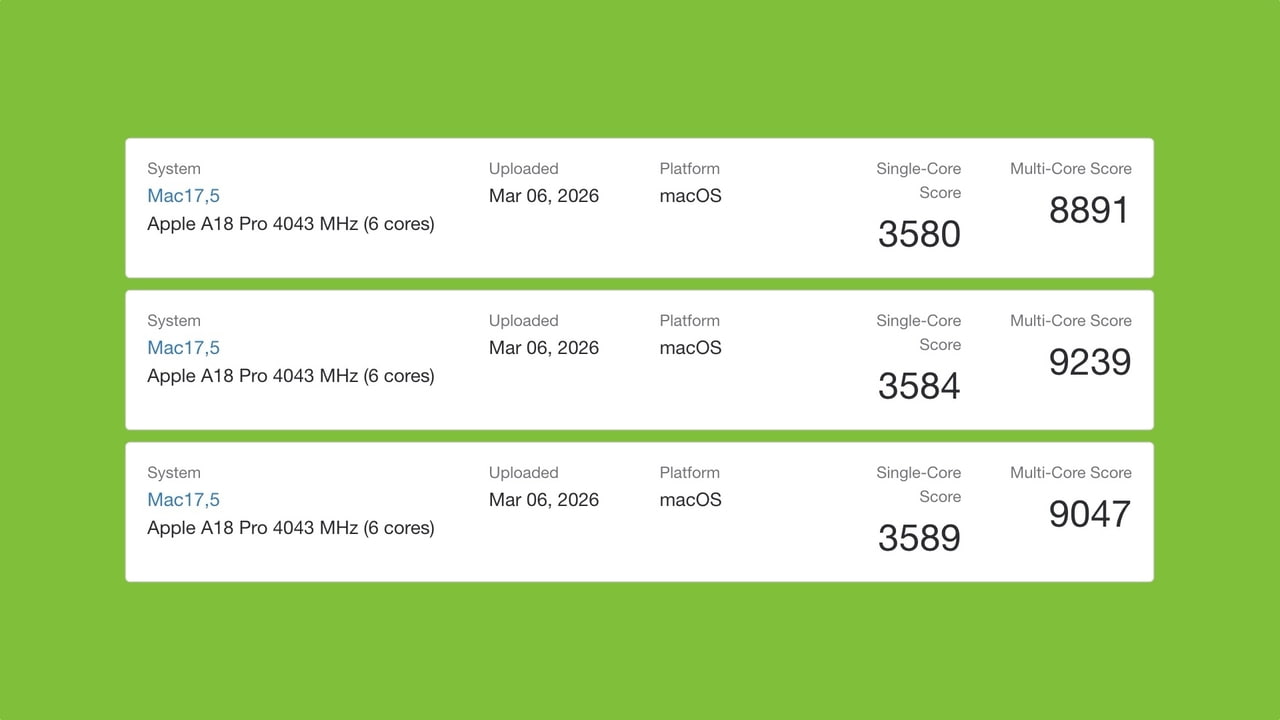
What makes this work in a laptop context is Apple's sophisticated thermal management system. Despite the fanless design, the MacBook Neo's aluminum chassis provides a much larger thermal envelope than an iPhone, allowing the A18 Pro to sustain higher performance levels for longer periods. According to benchmark results published by iClarified, this thermal advantage results in performance that's approximately 46% better than the M1 MacBook Air in single-core tests, with scores reaching 3,589 in single-core and 9,239 in multi-core Geekbench tests.
The Display and Hardware: Where Apple Saved Costs Without Sacrificing Quality
Understanding how the MacBook Neo achieves its $599 price requires looking at where Apple made strategic decisions about components. The 13-inch Liquid Retina display maintains Apple's quality standards with 500 nits of brightness and a resolution of 2408×1506 pixels (219 PPI), but it doesn't include ProMotion technology or the extreme brightness levels of more expensive models. The laptop features 8GB of unified memory with 60 GB/s bandwidth—less than the M-series MacBooks but sufficient for everyday tasks—and storage options of 256GB or 512GB SSD.

Connectivity includes two USB-C ports (both supporting charging and data transfer), a headphone jack, and Wi-Fi 6E. The 1080p FaceTime HD camera represents an upgrade over previous budget laptops, while the keyboard uses the same scissor-switch mechanism found in more expensive MacBooks. According to hands-on reports from Ars Technica, the build quality feels surprisingly premium for the price, with the aluminum chassis maintaining Apple's signature solid construction.
How macOS 26 Tahoe Works With iPhone Hardware
One of the most technically interesting aspects of the MacBook Neo is how Apple adapted macOS to work efficiently with iPhone-class hardware. macOS 26 Tahoe includes specific optimizations for the A18 Pro's architecture, particularly its 16-core Neural Engine and 5-core GPU. These optimizations allow the Neo to support on-device Apple Intelligence features that would typically require more powerful hardware.
The operating system dynamically manages power distribution between the performance and efficiency cores based on workload. For basic tasks like web browsing, document editing, and video streaming, the system primarily uses the efficiency cores to maximize battery life. When more demanding applications require additional power, the performance cores activate while the system manages thermal output through intelligent throttling. This approach, refined through years of iOS development, results in the impressive claim of up to 24 hours of battery life for video playback.
Performance Compared: MacBook Neo vs. MacBook Air vs. Budget Windows Laptops
To understand where the MacBook Neo fits in the market, it's helpful to compare its performance against both Apple's own products and competing budget laptops. In single-core performance, the A18 Pro outperforms the M1 chip but falls short of the M3 and M4 processors used in current MacBook Air models. However, for multi-core workloads, the 6-core A18 Pro can't match the 8-core or 10-core configurations of M-series chips.
Where the Neo truly differentiates itself is in graphics performance and AI capabilities. The 5-core GPU delivers Metal benchmark scores around 31,286—sufficient for light photo editing, video streaming, and casual gaming but not intended for professional creative work. The 16-core Neural Engine enables machine learning tasks that competing budget laptops simply can't match, including real-time language translation, advanced photo editing features, and intelligent background task management.
Compared to similarly priced Windows laptops and Chromebooks, the MacBook Neo offers superior build quality, better display technology, and more sophisticated software integration. However, it comes with less RAM than some Windows competitors (which often offer 16GB at this price) and fewer ports than many budget Windows machines.
Who Is the MacBook Neo For? Understanding Its Target Audience
The MacBook Neo works best for specific user profiles that align with its performance characteristics and price point. First-time Mac buyers who have been priced out of the Apple ecosystem can now enter at $599, gaining access to macOS, iCloud services, and Apple's integration between devices. Students represent another key demographic, particularly those who need a reliable laptop for note-taking, research, and basic creative projects without the premium cost of a MacBook Air.
Secondary device users—people who already own a powerful desktop or laptop but want a portable companion for travel or coffee shop work—will appreciate the Neo's lightweight design and all-day battery life. The laptop also serves as an excellent entry point for educational institutions that want to provide Apple technology in classrooms without the traditional Mac premium.
The Bigger Picture: What the MacBook Neo Means for Apple's Strategy
The introduction of the MacBook Neo represents more than just another product in Apple's lineup—it signals a strategic shift in how the company approaches the broader laptop market. By leveraging its iPhone chip technology and manufacturing scale, Apple can now compete in price segments previously dominated by Chromebooks and budget Windows laptops while maintaining healthy profit margins.
This move also has implications for Apple's ecosystem strategy. Every MacBook Neo sold represents another user brought into Apple's services ecosystem—someone who might eventually upgrade to more expensive Apple products, subscribe to Apple services, or purchase apps from the Mac App Store. From a technological perspective, the Neo demonstrates Apple's confidence in its ability to scale its silicon architecture across different product categories, potentially paving the way for more iPhone-Mac convergence in the future.
As the MacBook Neo begins shipping on March 11, 2026, it will be fascinating to see how the market responds to Apple's most affordable laptop ever. Early indications suggest that Apple has successfully created a product that delivers genuine value at its price point while maintaining the core qualities that make Macs distinctive. For consumers who have always wanted a Mac but couldn't justify the cost, the Neo represents an opportunity to finally join the Apple ecosystem—and that may be its most important accomplishment of all.