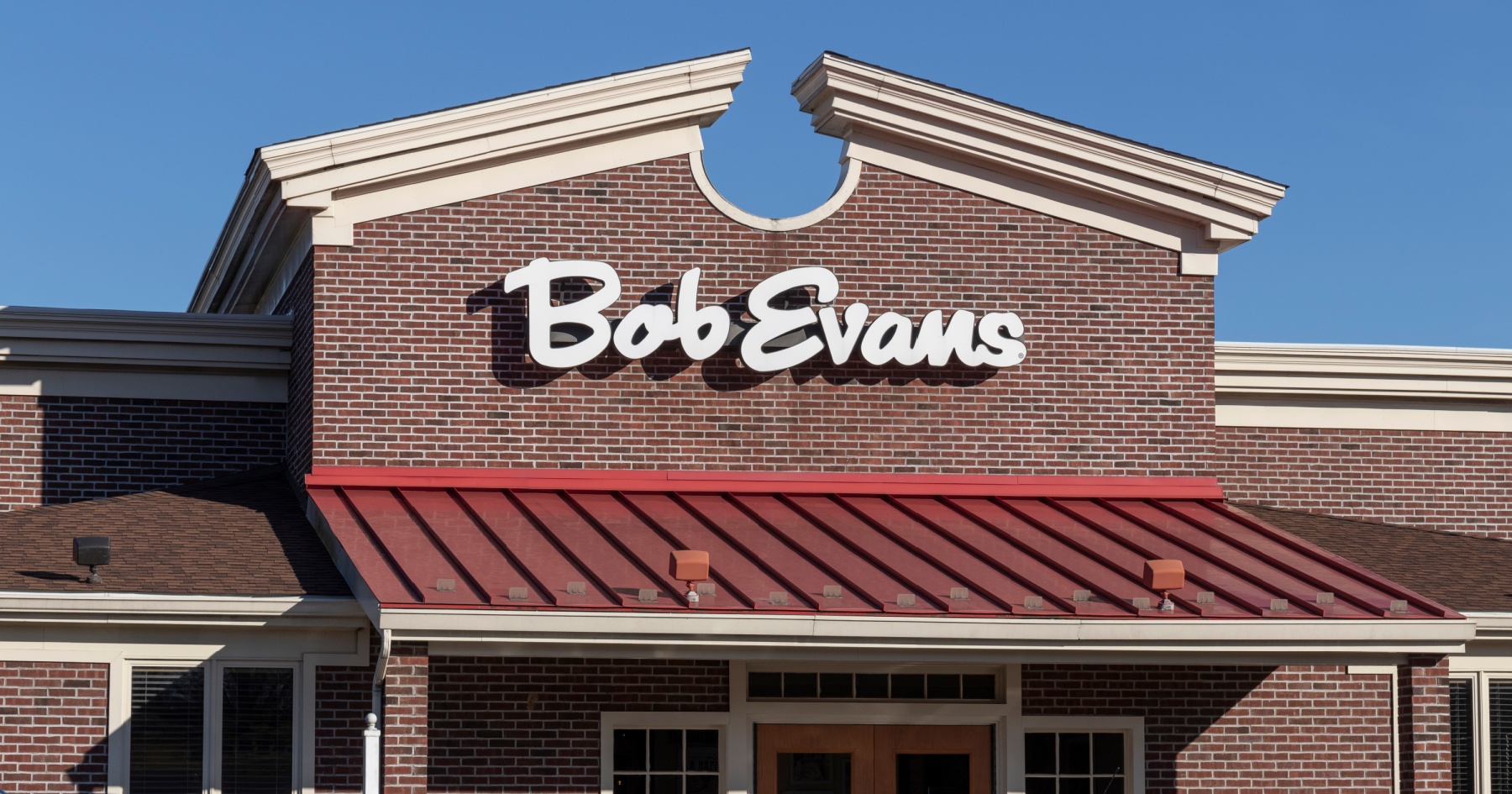
The iconic Bob Evans restaurant chain, a staple of American family dining for more than 78 years, has changed hands once again. Private‑equity firm 4x4 Capital announced on February 5 that it has acquired Bob Evans Restaurants from Golden Gate Capital, the chain’s owner since 2017. The move ends a sale process that began in early 2024 when Bob Evans hired investment bank Kroll to explore strategic options, and it underscores the enduring appeal of legacy restaurant brands to investors even as the industry navigates shifting consumer habits and economic pressures.
How the Bob Evans Sale Unfolded: Inside the Private‑Equity Play
The transaction transfers ownership of the approximately 400‑unit chain from one private‑equity player to another, highlighting the continuous churn of restaurant assets in the hands of financial buyers. Golden Gate Capital, which purchased Bob Evans for $565 million in 2017, had been exploring an exit for more than a year. According to Axios, Bob Evans retained Kroll in March 2024 to oversee a formal sale auction, signaling that the chain was officially on the market. The process attracted several interested parties, but 4x4 Capital ultimately emerged as the buyer, though the financial terms of the deal were not disclosed.
Bob Evans CEO Mickey Mills welcomed the transition, stating in the press release that the chain is “truly grateful to the team at Golden Gate Capital for their partnership and support over the last seven years.” Mills added that the brand is “excited to work with 4x4 Capital to maximize our long‑term growth potential.” For its part, 4x4 Capital emphasized its intention to “enhance operations and brand positioning” of the family‑dining chain, suggesting a focus on operational improvements rather than a quick flip.
Timeline: The Road to a Second Sale in Seven Years
Bob Evans’ journey through private‑equity ownership is a classic example of how restaurant chains are cycled through investment portfolios. The timeline below outlines the key milestones that led to this latest transaction:
- 2005 – Bob Evans operates 590 restaurants, its peak unit count.
- 2017 – Golden Gate Capital acquires Bob Evans Restaurants for $565 million after the parent company, Bob Evans Farms, spins off its restaurant division.
- March 2024 – Bob Evans hires investment bank Kroll to run a formal sale process, as first reported by Axios.
- February 5, 2026 – 4x4 Capital announces it has acquired Bob Evans Restaurants from Golden Gate Capital. Terms are not disclosed.
- Present day – The chain operates about 400 restaurants across 18 states, generating $761.2 million in sales in 2024.
This sequence illustrates a common pattern in the restaurant‑investment world: a private‑equity firm buys a well‑known brand, holds it for several years while attempting to improve profitability, then sells it to another financial buyer or strategic operator. The relatively short seven‑year hold period suggests Golden Gate Capital saw an opportunity to exit while the chain’s financial performance remained stable.
Why This Deal Matters: Expert Analysis and Investment Implications
From an investor’s perspective, the Bob Evans sale offers several important takeaways. First, the chain’s $761.2 million in sales for 2024 translates to roughly $1.8 million per restaurant, a figure that, while respectable, also points to the challenges of the family‑dining segment. Compared with fast‑casual or quick‑service concepts, traditional sit‑down restaurants like Bob Evans often face higher labor costs, lower throughput, and more intense competition from convenience‑oriented alternatives.
Second, the undisclosed deal terms raise questions about valuation. Golden Gate Capital paid $565 million in 2017. If we assume a modest multiple on the chain’s 2024 sales—say, 0.8x to 1.2x—the enterprise value could range from about $600 million to $900 million. Without knowing the actual price, it’s impossible to determine whether Golden Gate Capital turned a profit, but the mere fact that another private‑equity firm stepped up suggests that Bob Evans still holds tangible value.
Third, the acquisition signals that private‑equity appetite for restaurant assets remains robust, even in a higher‑interest‑rate environment. 4x4 Capital, which also owns brands such as California Pizza Kitchen, appears to be building a portfolio of mid‑scale dining concepts that can benefit from operational synergies and shared best practices. For retail investors, this trend underscores the importance of monitoring private‑equity activity as a leading indicator of which industry segments are considered ripe for consolidation or turnaround.
Where Things Stand Now: Latest on Bob Evans’ Future
With the deal now official, Bob Evans’ leadership team is expected to remain in place, and no immediate changes to the menu, restaurant footprint, or staffing are anticipated. In the press release, 4x4 Capital emphasized its commitment to “long‑term growth” and “enhancing the guest experience.” That language typically points to incremental improvements in technology, marketing, and unit‑level economics rather than radical restructuring.
Nevertheless, the chain continues to operate in a challenging landscape. Bob Evans has been gradually shrinking for two decades—from 590 units in 2005 to about 400 today—reflecting broader pressures on the family‑dining category. The rise of off‑premise dining, the growth of fast‑casual competitors, and changing breakfast habits have all taken a toll. The new ownership will need to decide whether to invest in remodeling existing locations, explore smaller‑format prototypes, or accelerate digital ordering and delivery capabilities to stay relevant.
What Happens Next: The Road Ahead for Bob Evans and Investors
Looking forward, industry observers will be watching several key metrics to gauge the success of 4x4 Capital’s ownership. Same‑store sales growth, unit‑level profitability, and any changes in restaurant count will provide clues about whether the new owner can reverse the chain’s long‑term decline. Additionally, the possibility of further portfolio acquisitions by 4x4 Capital could create economies of scale that benefit Bob Evans’ operations.
For individual investors, the Bob Evans story is a reminder that even legacy brands can present attractive opportunities when they fall into the hands of experienced operational investors. While the stock of Bob Evans Farms (the packaged‑foods spin‑off) is publicly traded, the restaurant chain itself remains privately held. Thus, the main takeaway for the public is to study the strategies of private‑equity firms like 4x4 Capital as a window into where smart money is flowing within the restaurant sector.
The Bottom Line: Key Points to Remember
- Bob Evans Restaurants has been sold by Golden Gate Capital to private‑equity firm 4x4 Capital.
- The chain generated $761.2 million in sales in 2024, averaging $1.8 million per restaurant.
- Golden Gate Capital bought Bob Evans for $565 million in 2017; the latest sale price is undisclosed.
- Investment bank Kroll was hired in March 2024 to run the sale process.
- The acquisition reflects continued private‑equity interest in the family‑dining segment, despite its challenges.
- Investors should watch for operational improvements and potential portfolio synergies under 4x4 Capital’s ownership.
In an era of rapid change for the restaurant industry, the Bob Evans sale demonstrates that well‑established brands with loyal followings can still attract serious capital. For investors, the deal offers a case study in how private‑equity firms evaluate, acquire, and attempt to add value to mature restaurant concepts—a process that will likely repeat itself as other legacy chains seek new owners in the years ahead.